
Lunch shoppers looking for seeds and texture
You want seeds in your crunchy lunch base and check which ones are actually listed in the ingredients. A product name that includes ‘seeds’ doesn’t tell you how much it contains.


Choose seeded crispbread if a satisfyingly crunchy texture is your priority; if you’re more interested in a wholegrain base, compare the ingredients and fibre per 100 g. A seeded cracker isn’t necessarily crispbread, so check the product type, allergens and salt content on the packaging you buy.
You want seeds in your crunchy lunch base and check which ones are actually listed in the ingredients. A product name that includes ‘seeds’ doesn’t tell you how much it contains.
You want a reliable base for your toppings and would rather compare the type of grain and fibre per 100 g than focus only on the seeds shown on the front of the pack.
You check the label of the specific product for ingredients such as gluten-containing cereals and sesame, as well as any warnings about the possible presence of allergens.
First decide what you want from your lunch base: noticeable seeds, wholegrain cereal, a shape that works with your toppings, or ingredients you can assess carefully.
| What to consider | What to check | Who it matters to |
|---|---|---|
| Seeds and texture | Which seeds are listed, and does the label state how much of each is included? | If I mainly want to taste the seeds with my toppings, the ingredients matter more than the product name alone. Around 33% of consumers prioritise this. |
| Wholegrains and fibre | Compare the type of grain, the wholegrain claim and the fibre per 100 g. | For a reliable lunch base, I’d prioritise wholegrain cereal and the stated fibre content over a pronounced seed mix. Around 25% of consumers share this priority. |
| A base for your toppings | Check whether the product is crispbread, rusk or cracker, and look at the serving information. | I want my lunch to work with the toppings I plan to take with me, so the type of product matters. For around 25% of consumers, this practical choice is the main consideration. |
| Ingredients, allergens and salt | Read the allergen information and compare the salt per 100 g on the current label. | If I need to avoid certain ingredients or watch my salt intake, the ingredients may determine my choice. This is the first thing around 17% of consumers consider. |
The name alone doesn’t tell you how many seeds a product contains. For Bolletje 45% Seeds Crackers, Albert Heijn lists the individual proportions of linseed, sunflower seeds and sesame seeds; this product is a cracker, not crispbread.
Check the ingredients and any percentages before comparing the seed content of two products.
The products mentioned include ingredients such as wheat, rye, barley and sesame. A warning about their possible presence may also be important when making your choice.
Read the ingredients and allergen information on the exact packaging you intend to buy.
Crackers, rusks and crispbread from the same brand aren’t automatically interchangeable. Pack sizes and ingredients can also vary between variants.
Check the full product name, product type and pack size before using a product you’ve seen before as a reference.
Wasa Wholegrain is a rye crispbread worth considering if wholegrain cereal matters more to you than seeds.
Ryvita Original is a rye product you can compare with crispbread for lunch.
The crispbread range offers options for anyone looking for a seeded variant alongside their other lunch shopping.
The range includes its own seeded crispbread options for lunch.
Lidl lists crispbread with sunflower seeds or pumpkin seeds among its in-store products.
Goud Gebakken Robust Crispbread is an in-store option if you’re looking for a wholegrain variety with seeds.
These products suit a lunch with seeds or a wholegrain base. Check the packaging to confirm the product type of the two Rusks variants; products with ‘Crackers’ in the name aren’t crispbread.
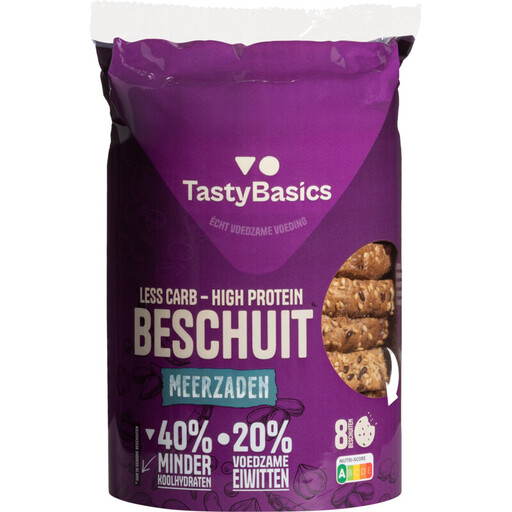 No image available
An option to consider if you’re looking for a variety of seeds in your lunch. The title says rusks, so check the product type on the packaging if you specifically want crispbread.
Check the ingredients and allergens, including wheat, spelt, egg, sesame and barley.
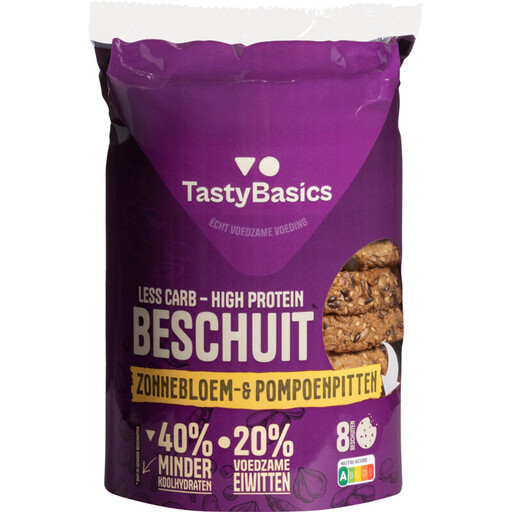 No image available
Worth a look if sunflower seeds would suit your lunch. Check whether the product type on the packaging matches what you mean by crispbread.
If you have an allergy, also read the current warnings on the packaging.
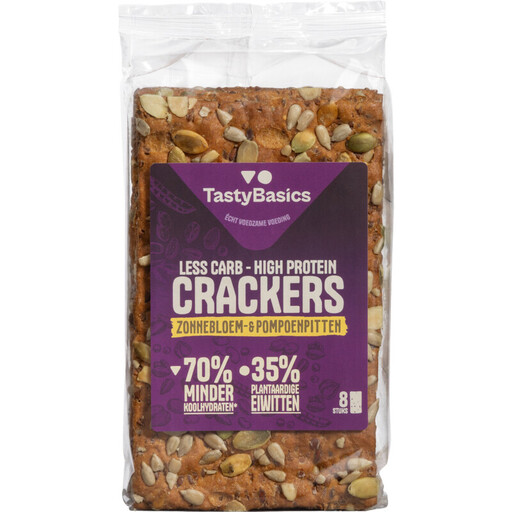 No image available
Worth considering if a seeded cracker would work as a base for your lunch; this product isn’t described as crispbread.
If you’re comparing it with crispbread, check the nutritional information per 100 g and the allergens on the packaging.
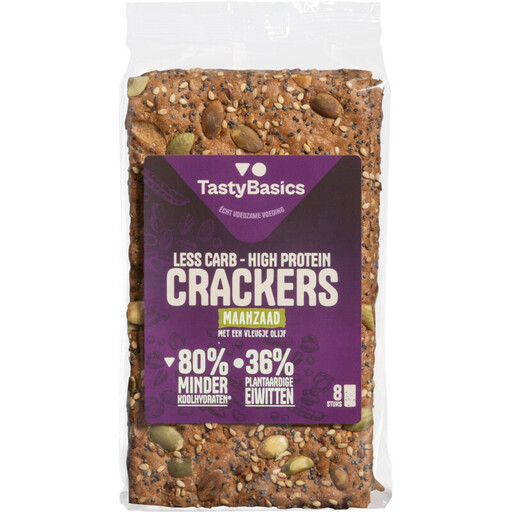 No image available
Worth a look if you’d like a poppy seed cracker with your lunch; this product isn’t described as crispbread.
Before choosing this variant, be sure to check the current information about sesame and other allergens.
 No image available
A crispbread worth considering if a wholegrain base for lunch matters more to you than a high seed content.
Compare the fibre and salt per 100 g on the packaging, and check the ingredients if sesame or gluten-containing cereals are relevant to your choice.
No. If you’re specifically looking for crispbread, don’t treat these product names as interchangeable. Check the product description on the packaging, then compare the seeds, serving size and nutritional information.
No. The Voedingscentrum explains that crackers can only be called ‘wholegrain’ if they’re made from 100% wholemeal flour. For a product described as ‘made with wholemeal flour’, check the proportion in the ingredients list.
No. The presence of seeds alone doesn’t tell you how much fibre a product contains. Compare the fibre per 100 g in the nutrition table and check whether you’re looking at a cracker or crispbread.
Check the allergens in the specific product, especially gluten-containing cereals and sesame if they’re relevant to you. The Voedingscentrum lists wheat, rye and barley among the gluten-containing cereals; also read any warnings on the packaging.
No. A rule about the use of baker’s salt doesn’t confirm which ingredients are in an individual product. Check the ingredients list of the crispbread you’re buying.