
Families comparing pack sizes
If several family members eat crispbread, the net weight can help you work out how often you’ll need a new pack. Also check the storage instructions for an opened pack.


For a large family, a bigger pack is a practical place to start if several people eat crispbread regularly. Then choose according to what matters most in your household: a wholegrain base, nutritional values per 100 g or ingredients everyone can eat. Seeds on the packaging don’t automatically tell you anything about these other qualities.
If several family members eat crispbread, the net weight can help you work out how often you’ll need a new pack. Also check the storage instructions for an opened pack.
If you want to assess the grain base, look for a wholegrain label and compare the fibre per 100 g. According to the Voedingscentrum, the presence of seeds alone doesn’t tell you whether a product is wholegrain.
If you have an allergy or other dietary restriction, the label on the specific product is what matters. Check both the ingredients and any warnings about possible cross-contamination.
First decide which feature matters most to your household. Then compare the relevant information on the packaging; the same seeds can be found in products with different grain bases and nutritional values.
| What to consider | What to check when buying | Who it matters to |
|---|---|---|
| Pack size | Compare the net weight and check how to store the pack once opened. | If several of us eat crispbread regularly, I want to choose a pack that suits how much we use. Around 33% of consumers put this need first. |
| Wholegrains and fibre | Check the wholegrain label and compare the fibre per 100 g. | I want to know what the grain base is made from, rather than judging by the seeds on the front alone. This is the main consideration for around 25% of consumers. |
| Nutritional values | Compare carbohydrates, protein, fat and salt per 100 g; also check the serving size. | When the nutritional content determines the choice for someone in our household, I want to compare products on the same basis. This need comes first for around 25% of consumers. |
| Ingredients and allergens | Read the current ingredients list and allergen information, including any warnings about cross-contamination. | If someone at home needs to avoid an ingredient, I can’t rely on the product name or the picture of the seeds. For around 17% of consumers, this check is the top priority. |
Sesame and other seeds don’t tell you whether the flour used is wholegrain. The Voedingscentrum distinguishes between a wholegrain base and other grain products.
Check the wholegrain label separately and read the nutritional information to find out how much fibre there is per 100 g.
The products discussed show that seeded crispbread may contain gluten-containing cereals as well as sesame. Other ingredients and warnings vary by product.
Check the label of your chosen product again every time you buy it. The Netherlands Food and Consumer Product Safety Authority advises checking allergens in the ingredients information.
The type of salt can vary by product. Brood.net also describes differences between products from Dutch bakeries, imported products and certain organic products.
If salt containing iodine matters to you, check the ingredients list or ask for product-specific information.
The own-brand range includes sesame crispbread and a pumpkin seed variety.
Wasa describes Sesam Gourmet and Fibre, among others, as seeded crispbread varieties.
TastyBasics has a poppy seed and sesame crispbread variety for anyone who wants to compare the nutritional information in detail.
Ryvita describes a multigrain crispbread made with buckwheat, linseed and sesame, among other ingredients.
Albert Heijn’s range overview includes a Leksands variety with seeds and sea salt.
This Joybuy selection includes sesame varieties and crispbread labelled as wholegrain. Compare pack sizes and check the nutritional information and allergens for each variety before choosing supplies for your family.
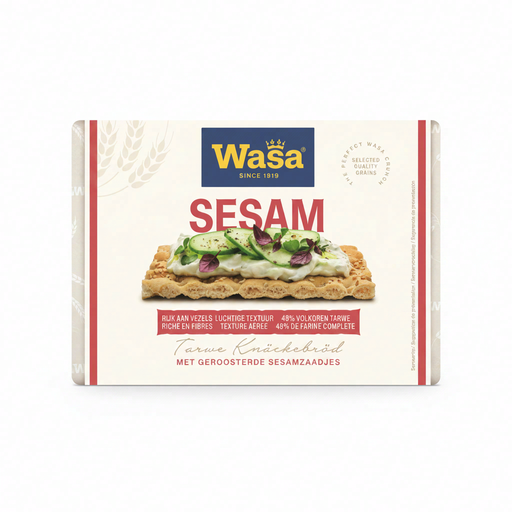 No image available
A sesame variety to consider if several family members eat crispbread regularly. To help you choose, compare the fibre per 100 g and check the label for wheat, sesame and other allergens.
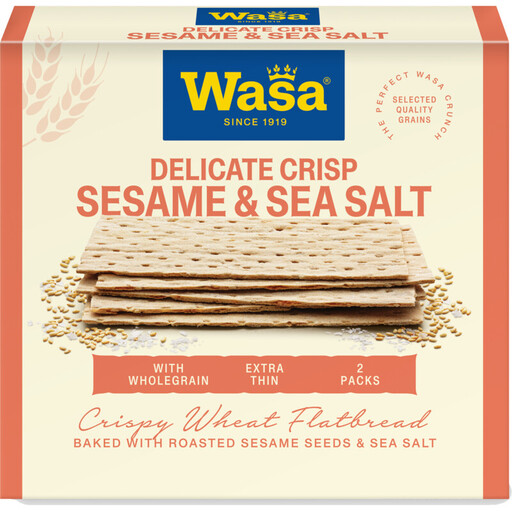 No image available
This thin sesame variety comes in a smaller pack than Wasa Breakfast Biscuits Sesame. When comparing, consider how much your family uses and check the allergens on the label.
 No image available
An option to consider if a wholegrain base is your priority. Check the ingredients, fibre per 100 g and allergens on the pack; don’t rely on the product name to tell you how many seeds it contains.
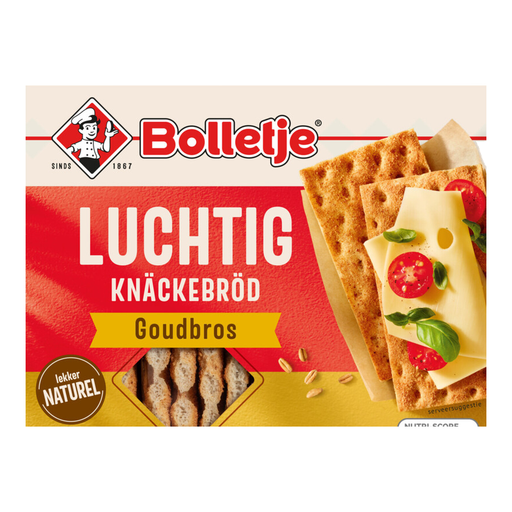 No image available
Another crispbread variety to compare with the sesame and wholegrain options. Check the nutritional information to see what ‘Light’ means for this variety, and read the ingredients and allergens on the label.
No. Seeds don’t tell you anything conclusive about the flour used. According to the Voedingscentrum, a product can only be called ‘wholegrain’ if it is made entirely from wholemeal flour; also compare the fibre per 100 g separately.
At the very least, check whether your chosen variety contains sesame or gluten-containing cereals. Other allergens or warnings about possible cross-contamination may also be relevant, depending on the product, so always read the current label. The Netherlands Food and Consumer Product Safety Authority explains how allergens are listed on food labels.
No. Don’t assume every pack contains iodised baker’s salt. Brood.net describes differences between products from Dutch bakeries, imported products and certain organic products. If the type of salt matters to you, check the ingredients of the specific crispbread.
Follow the storage instructions on the packaging of the product you’ve bought. For the varieties described, Albert Heijn recommends storing them in a cool, dark, dry place and keeping them in a sealed tin once opened.