
If wholegrains and fibre matter to you
You’re looking for crispbread to have with your coffee and want to see whether it has a wholegrain base and how much fibre it contains per 100 g.


For coffee in your hotel room, take seeded crispbread that you can keep dry and well sealed after opening. Then choose what matters most to you: an explicitly wholegrain base, the texture of sesame or the salt content on the label. Compare fibre and salt per 100 g, but check the allergens and nutritional information on the pack you buy.
You’re looking for crispbread to have with your coffee and want to see whether it has a wholegrain base and how much fibre it contains per 100 g.
You’re choosing mainly for the sesame flavour and texture. With a sesame variety, it’s also important to check the ingredients and allergen information.
You want to compare salt, fibre, portion size and allergens before choosing a pack for your stay.
First, think about how you’ll keep an opened pack dry in your hotel room. Then compare the grain base, nutritional information and allergens in the varieties that appeal to you.
| What to consider | What to check when buying | Who it matters to |
|---|---|---|
| Storage and pack size | Check whether you can seal the pack properly after opening and whether the size suits your stay. The Netherlands Nutrition Centre advises storing crispbread in a cool, dry, dark place in a well-sealed pack. | If I only have a few pieces with my coffee, I want to stop the rest of the pack getting damp. Around 31% of consumers prioritise ease of storage. |
| Wholegrains, fibre and seeds | Check which grain and seeds are listed in the ingredients, and compare fibre per 100 g. The word ‘sesame’ alone doesn’t tell you whether a product is wholegrain. | If you’re specifically looking for wholegrain crispbread for a simple coffee break, you’ll want to see that on the label. For around 31% of consumers, wholegrains and fibre are the main priority. |
| Salt | Compare salt per 100 g, then consider how much you eat in a portion, including any toppings. | If I have savoury toppings with my crispbread, I want to take the salt content of the bread into account. Salt is the main comparison factor for around 23% of consumers. |
| Allergens | Read the current ingredients and allergen information, including any warnings about possible traces. | If I have a relevant allergy, I need to know whether my particular pack contains ingredients such as sesame, wheat or rye. Around 15% of consumers put this check first. |
A sprinkling of seeds doesn’t tell you what grain the crispbread is made from. The fibre values listed also vary between the varieties reviewed.
Check the grain and any wholegrain claim on the pack, and compare fibre per 100 g.
Sesame crispbread may also contain wheat, while another seeded variety may contain rye. Warnings about possible traces vary by product.
Before buying, check the ingredients and allergen information on the packaging of the variety you choose.
Moisture can spoil crispbread’s crunchy texture.
Seal the pack properly after use or use a resealable bag. Store it in a cool, dry, dark place, as advised by the Netherlands Nutrition Centre.
The presence of seeds or the country where a product is sold doesn’t tell you what type of salt has been used.
If the type of salt matters to you, check the ingredients list on the pack rather than making assumptions.
These examples show why the exact variety and the information on the packaging matter more than the brand name alone.
According to Wasa, Wasa Sesame is thin, crunchy wheat crispbread topped with roasted sesame seeds.
The Seeds & Sea Salt variety is an option if you’re specifically looking for wholegrain rye and several types of seed.
Jumbo Sesame Crispbread is a sesame variety you can compare by pack size and nutritional information.
Ryvita has a Sesame Crispbread variety made with rye and sesame.
These Joybuy products are sesame varieties to consider for coffee in your hotel room. Compare their packaging and current labels if wholegrains, fibre, salt or allergens will affect your choice.
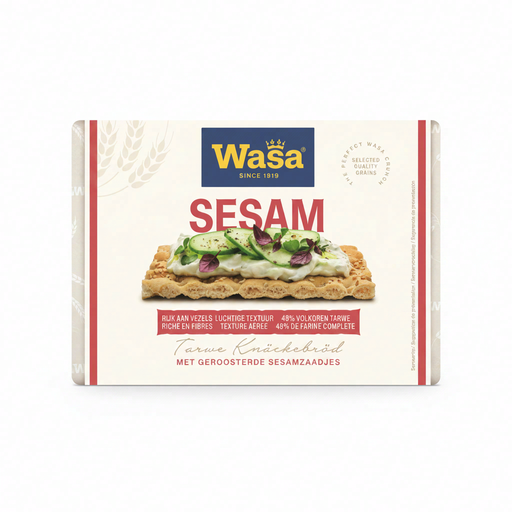 Image unavailable
A sesame variety for anyone looking for crunchy crispbread to have with coffee.
250 g pack. Compare the nutritional information and allergens on the current packaging.
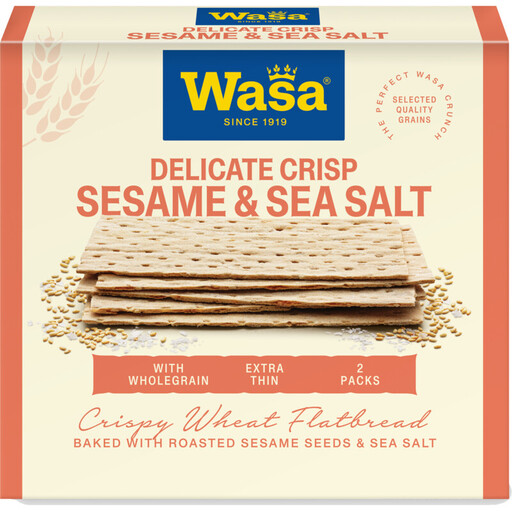 Image unavailable
For anyone who wants to compare a thin sesame variety to have with coffee.
190 g pack. Check the label for the grain base, nutritional information and allergens.
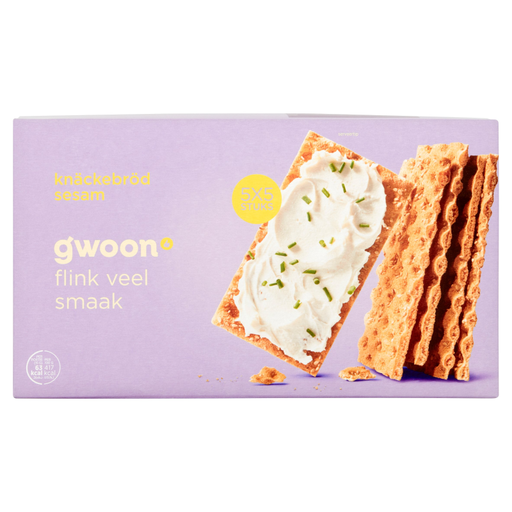 Image unavailable
A sesame variety to consider if you’d like a pack of five pieces to have with coffee.
Compare the salt per 100 g and the ingredients on the packaging with other varieties.
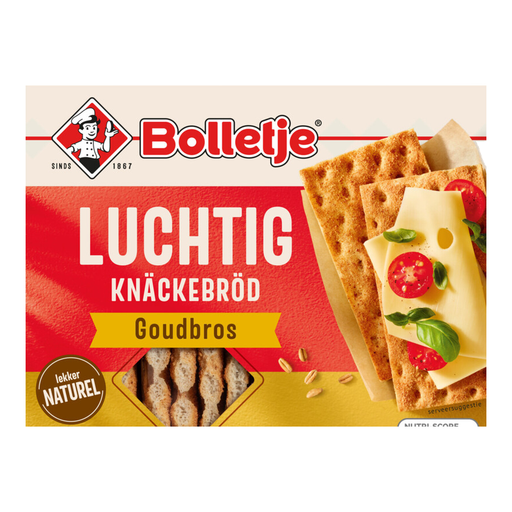 Image unavailable
For anyone looking for a light, crunchy option to have with coffee in their hotel room and wanting to check whether the ingredients suit their preference for seeds.
240 g pack. Check the current packaging for the types of seed, nutritional information and allergens.
No, it doesn’t need to be refrigerated. The Netherlands Nutrition Centre advises storing opened crispbread in a cool, dry, dark place in a well-sealed pack. Also follow the storage instructions and use-by date on your pack.
No. A sesame topping or another type of seed doesn’t tell you whether the grain base is wholegrain. Check the wholegrain claim and ingredients on the packaging, and look separately at the fibre per 100 g.
Not necessarily: the Wasa and Jumbo sesame varieties described contain wheat. Check the current ingredients for each specific variety and look for an explicit gluten-free claim, if applicable.
Check the salt information in the ingredients list on the specific pack. Don’t assume it contains iodine based on the type of seed, the brand name or the fact that the crispbread is sold in the Netherlands.
First compare the salt content per 100 g so you’re using the same weight basis. Then consider the portion you eat and any savoury toppings. The per-100 g figure alone doesn’t tell you how much salt you’ll have during your coffee break.