
Holidaymakers looking for seeds and crunch
If you want to take crispbread with you for lunch or a snack, check which seeds it contains and in what proportions. A sesame variety and a mix of several seeds offer different options.


When choosing seeded crispbread for the summer holidays, look beyond the name. Compare the type and proportion of seeds, the nutritional information per 100 g and the storage advice. According to product information from Jumbo, Leksands Seeds and Sea Salt contains a mix of three seeds and wholegrain rye. Wasa Sesame is a thin sesame variety, while TastyBasics Pumpkin Seed has a different nutritional profile. Check the current ingredients and allergen information for each option, especially if you’re taking the pack on a trip.
If you want to take crispbread with you for lunch or a snack, check which seeds it contains and in what proportions. A sesame variety and a mix of several seeds offer different options.
If the type of grain and nutritional value matter to you, compare the fibre and salt per 100 g and check whether the grain is described as wholegrain. The Netherlands Nutrition Centre recommends comparing products per 100 g when serving sizes differ.
If you’re looking for a particular nutritional profile, compare any claim on the front of the pack with the full nutrition table. Also check the ingredients and allergens for the specific variety.
Before you do your summer holiday shopping, decide what matters most to you: the seeds, the nutritional value, or how you’ll transport and store the crispbread. Then compare the individual products.
| What to consider | What to check | Who is this important to? |
|---|---|---|
| Seeds and texture | Check which seeds are listed and what percentage of each is included. Choose between a single seed and a mix. | When I’m travelling, I want to know whether the seeds suit the crunchy texture I’m after. For around 29% of consumers, their preference for seeds is the deciding factor. |
| Fibre and grains | Compare fibre and salt per 100 g and check which grain is listed as wholegrain. | When I buy crispbread as a grain product, fibre and the type of grain matter more to me than the topping. This is the top priority for around 23% of consumers. |
| Storage while travelling | Read the storage advice and check how to reseal the pack after opening. | For my holiday plans, an opened pack needs to stay crisp and be easy to take with me. This practical concern is the most important one for around 18% of consumers. |
| Carbohydrates and protein | Compare the values per 100 g and check what any comparative claim is based on. | When I’m looking for a particular nutritional profile, I want to look beyond a claim on the front of the pack. This is the first thing around 18% of consumers consider. |
| Allergens and ingredients | Check the current allergen list. If you’re interested in iodine, see whether baker’s salt is listed among the ingredients. | If I need to avoid certain ingredients or want to check which salt is used, that comes before my preference for a seed mix. This is the main concern for around 12% of consumers. |
The amounts listed vary. Wasa states that its Sesame variety contains 10% sesame seeds; for Leksands Seeds and Sea Salt, Jumbo lists three different seeds, each at 4%.
Read the ingredients list if the type of seed or the mix is what will determine your purchase.
A claim about fibre or carbohydrates doesn’t also tell you how much salt and protein a product contains. Serving sizes can differ too.
Compare the nutritional information per 100 g, and take the type of grain and ingredients into account.
According to the Netherlands Nutrition Centre, baker’s salt contains iodine, but its use is not compulsory. Sea salt contains very little iodine.
If you want to know which salt is used in a particular crispbread, check the ingredients on the pack.
Seeded crispbread may also contain cereals containing gluten or sesame. Products may also carry warnings about other allergens.
For every purchase, check the current ingredients, allergen information and any warnings on the label.
The details below apply to the varieties mentioned, not to every product from each brand.
Wasa Sesame is a thin wheat crispbread for anyone looking specifically for a sesame variety.
Seeds and Sea Salt is a rye variety with a separately listed seed mix.
Pumpkin Seed Crispbread is a distinct variety for anyone comparing seeds and nutritional values.
According to the product information, Jumbo Pumpkin Seed Crispbread combines pumpkin seeds with sesame.
Albert Heijn’s range includes crispbread with pumpkin seeds and crispbread with sunflower seeds.
These options include rusks with seeds, thin sesame crispbread and a filled crispbread sandwich. Decide whether you want individual pieces to top yourself or a ready-to-eat snack to take with you. The filled sandwich isn’t a standard crispbread for adding toppings.
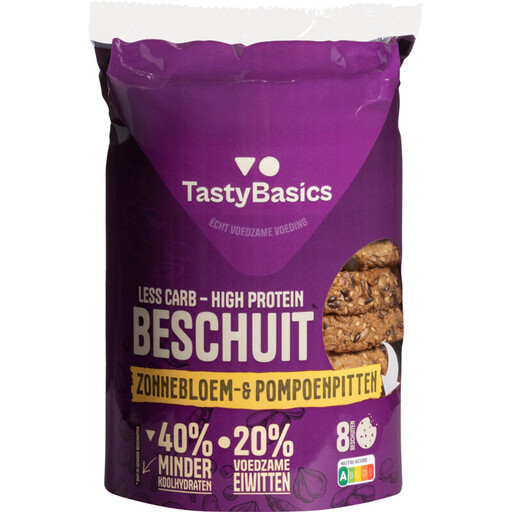 Image unavailable
An option if you’d like to take rusks with sunflower seeds instead of standard crispbread to top yourself. Before eating, check the current ingredients and storage advice on the pack.
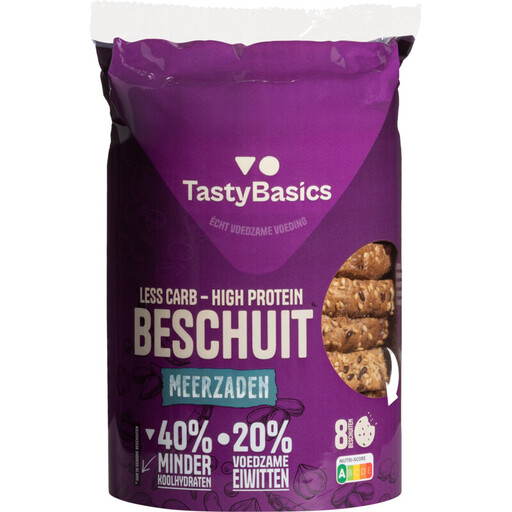 Image unavailable
A good fit if you prefer rusks with several types of seeds. Check the pack to see which seeds are used and how to store it after opening.
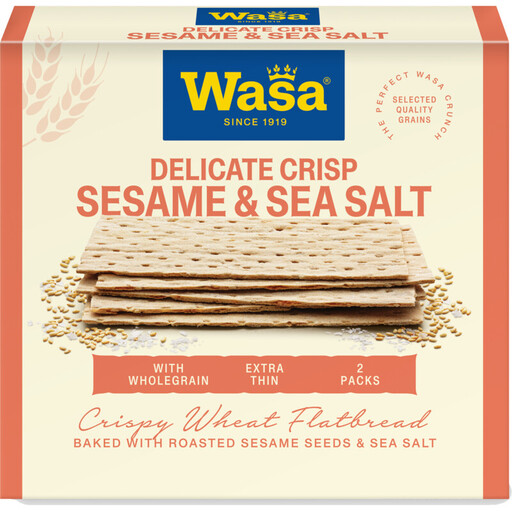 Image unavailable
A thin sesame variety for anyone who likes that texture. Compare the nutritional information for this specific Thin Crisp Sesame variety; the values for Wasa Sesame don’t necessarily apply to this product.
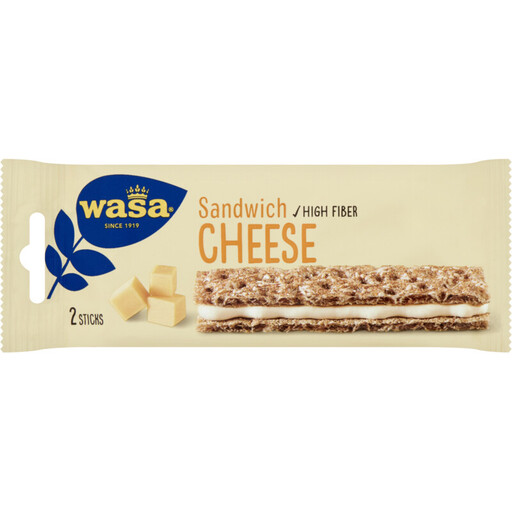 Image unavailable
A filled sandwich snack for anyone who doesn’t want to top individual crispbreads. The cheese filling makes this different from standard crispbread; check the current allergen information and storage instructions.
Compare the nutritional information per 100 g. The Netherlands Nutrition Centre uses this as a basis for comparing products. Also read the ingredients list to check the type of grain and the proportion of seeds.
No. Wasa Sesame contains wheat, Leksands Seeds and Sea Salt contains rye, and the Jumbo variety mentioned contains cereals containing gluten. Always check the current allergen information for the specific variety before you buy it.
No, you can’t tell from the product name. According to the Netherlands Nutrition Centre, baker’s salt contains iodine, but its use isn’t compulsory. Check which salt is listed in the ingredients.
Follow the storage advice for the product you choose and seal any opened pack securely. Jumbo’s product information says to store Leksands in a cool, dry place, and Jumbo Pumpkin Seed Crispbread in a cool, dry place.
Read the ingredients and allergen information on the current pack of the exact variety. Look out for warnings about the possible presence of other allergens too. The Netherlands Food and Consumer Product Safety Authority explains which allergens must be listed on labels.