For your Christmas table, start by deciding how you want to serve the crispbread: choose a seeded wholemeal variety as a base for toppings, or a thin sesame cracker for smaller bites. Then compare the ingredients, allergens and nutritional information per 100 g. Seeds alone tell you nothing about the type of flour used or whether a product is suitable for guests with an allergy.
Who is this choice relevant to?
Anyone serving crispbread with toppings at the Christmas table
If you’re serving crispbread for breakfast, lunch or drinks, check the product type and texture before piling on the toppings. The ingredients list and nutritional information can then help you compare the wholegrain base and fibre content.
Anyone putting together a drinks platter of small bites
A thin sesame cracker can work well with cheese, dips and other small bites. Choose toppings to suit its delicate texture, and check the salt content when comparing several crackers.
Anyone catering for allergens or dietary requirements
Check the ingredients and allergen declaration on each pack. A product isn’t automatically gluten-free or suitable for someone avoiding sesame just because it contains seeds; other allergens can also vary between varieties.
What should you look for when choosing?
First decide whether you’re looking for a base for toppings or a cracker for smaller bites. Then check for allergens and compare only the nutritional values that matter for your choice.
| What to consider |
What to check when buying |
Who it matters to |
| Texture and seeds |
Check whether you’re looking at thin crackers or sturdier crispbread, and which seeds are listed in the ingredients. |
When I’m making Christmas bites, I want the cracker to suit the weight and moisture of the topping. For around 27% of consumers, this combination of texture and presentation comes first. |
| Wholegrain and fibre |
Check the type of flour and whether it’s described as wholegrain; compare fibre per 100 g. |
For a breakfast or lunch platter with toppings, I mainly want to know what the grain base is made from and how much fibre the product contains. Around 33% of consumers give this information top priority. |
| Allergens |
Read the current allergen declaration, including for sesame and cereals containing gluten; check for a gluten-free label if needed. |
If a guest needs to avoid certain ingredients, I want to know which variety is suitable before serving it. For around 27% of consumers, suitability for allergies or dietary requirements is their main concern. |
| Other nutritional information |
Compare values such as salt, carbohydrates and protein per 100 g on the nutritional information panel. |
When choosing between crackers with different ingredients, I want to be able to compare their nutritional information side by side. This comparison matters most to around 13% of consumers. |
Common mistakes
-
Assuming seeds automatically mean wholegrain
The fact that a product contains seeds doesn’t tell you what flour has been used or how much fibre the crispbread contains.
Read the ingredients list and compare the wholegrain description and fibre per 100 g. Use the seeds to assess flavour and texture, not as a substitute for this information.
-
Putting sesame crackers on a shared platter without checking allergens
Sesame and cereals containing gluten are found in different varieties; depending on the product, other allergens may also be relevant.
Read the allergen declaration on every pack. If you’re catering for guests with an allergy or coeliac disease, check which products and serving arrangements are suitable for them.
-
Relying on a single nutrition claim
A claim about fibre or carbohydrates doesn’t give you the full picture of the ingredients and other nutritional values. For example, Wasa lists 1.75 g of salt per 100 g for Delicate Crisp Sesame & Sea Salt.
Choose your main criterion, then compare the nutritional information per 100 g for the products you’re actually considering as alternatives.
-
Choosing a thin cracker for heavy or moist toppings
An extra-thin cracker may be less suitable as a base for heavy or wet toppings than for small bites.
Match your toppings to the texture, or serve a sturdier crispbread alongside it for different types of topping.
Brands to compare
Compare specific varieties, not just brand names: ingredients, nutritional values and allergens can vary within the same brand.
Leksands
The Seeds & Sea Salt variety is an option if you’re looking for wholegrain rye crispbread with several types of seed.
- According to Albert Heijn’s product information, this variety contains 100% wholegrain rye, 16 g of fibre per 100 g, and linseed, millet seed and toasted rapeseed, each at 4%.
- This rye variety contains gluten; the pack also states that it may contain traces of soya and mustard. Check the current packaging when catering for guests with an allergy.
Wasa
As well as sesame crispbread, Wasa offers the extra-thin Delicate Crisp Sesame & Sea Salt for small bites.
- Wasa lists sesame, wholemeal wheat flour and 9.5 g of fibre per 100 g for Delicate Crisp Sesame & Sea Salt.
- According to Wasa, this variety contains wheat, barley and sesame, and its nutritional information lists 1.75 g of salt per 100 g. Check other Wasa varieties separately.
TastyBasics
The Low carb crispbread Poppy Seed and Sesame variety is worth considering if carbohydrates, protein and fibre are key points of comparison.
- Albert Heijn’s product information lists 13 g of fibre and 23 g of protein per 100 g for this variety.
- The ingredients include wheat, spelt, soya, sesame and barley; the product may also contain egg and milk. These details don’t automatically apply to other TastyBasics products.
Ryvita
Ryvita’s Sesame and Multigrain varieties are examples of different seeded crispbreads.
- On its UK product pages, Ryvita lists 11% sesame for Sesame and 18% toasted seeds and grains for Multigrain.
- These UK product details aren’t specifications for every Ryvita variety on the Dutch market; check the label on the pack you buy.
Seeded crackers and crispbread on Joybuy
This selection includes a thin sesame cracker, multiseed rusks and other seeded crackers for small bites or toppings. Check the product type if you’re specifically looking for sturdy wholegrain crispbread.
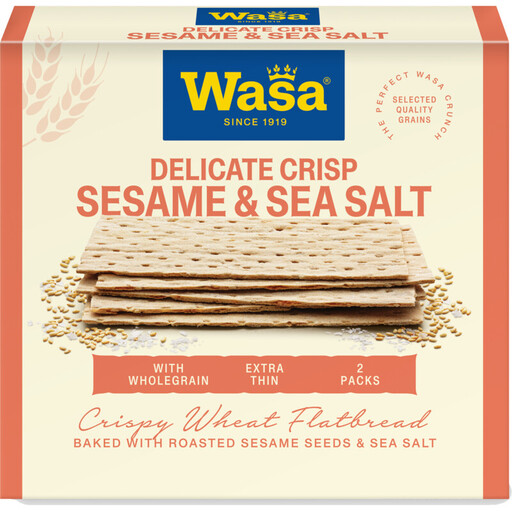 Image unavailable
Wasa Thin Crisp Sesame, 190 g
A thin sesame cracker to consider for small Christmas bites. Before buying, compare the nutritional information per 100 g and check the allergen declaration, especially if your guests need to avoid sesame or cereals containing gluten.
View on Joybuy
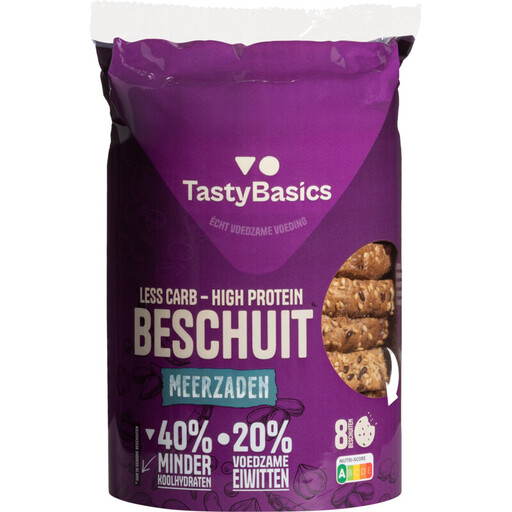 Image unavailable
TastyBasics Multiseed Rusks, 184 g
Multiseed rusks to consider alongside crispbread as a base for toppings. If carbohydrates or fibre are important to your choice, compare the latest nutritional information. Also check the allergens and whether the texture suits your toppings.
View on Joybuy
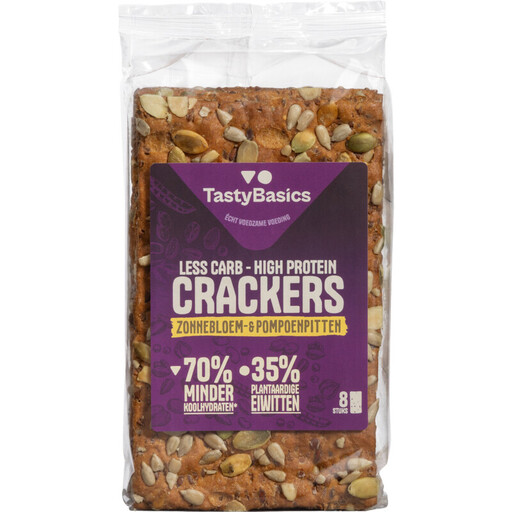 Image unavailable
TastyBasics crackers with sunflower seeds, 8 pieces
A cracker option for adding seeds to your Christmas platter. Check the pack for the exact ingredients and nutritional values; if you’re serving them to guests, remember to check the allergen declaration too.
View on Joybuy
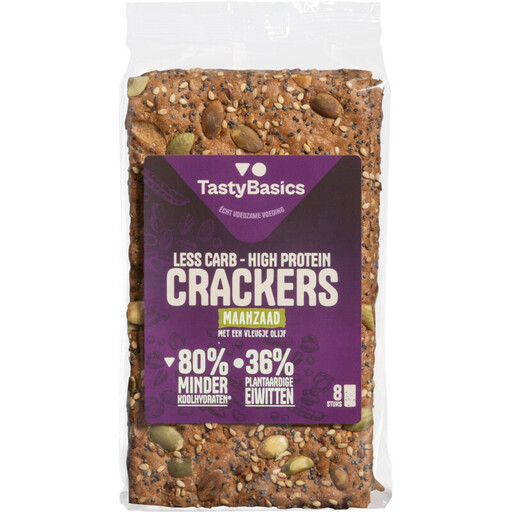 Image unavailable
TastyBasics crackers with poppy seeds, 8 pieces, 200 g
A poppy seed cracker as an alternative to traditional crispbread for small bites. Compare the ingredients and nutritional information with other crackers, and check the texture before serving them with heavy or moist toppings.
View on Joybuy
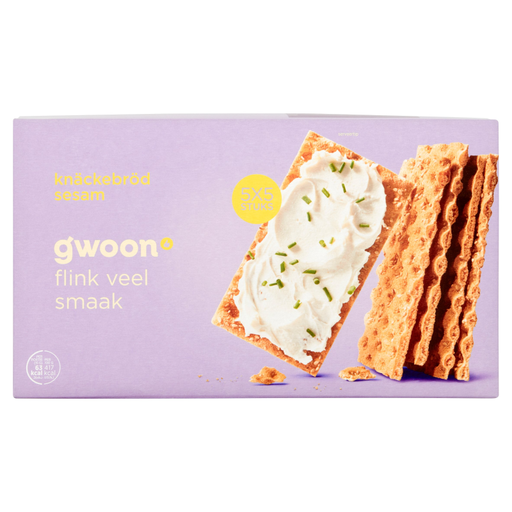 Image unavailable
g'woon Crispbread Sesame, 5 pieces
A sesame crispbread to compare as a cracker for drinks. If wholegrain matters to you, check the type of flour on the pack; also read the allergen declaration before sharing it with guests.
View on Joybuy
Frequently asked questions
Is seeded crispbread always wholegrain?
No. The presence of seeds doesn’t tell you what flour has been used. Check the wholegrain description and ingredients list, and compare the fibre per 100 g if it matters to your choice.
Which allergens should I check in seeded crispbread?
At the very least, check whether the variety contains sesame or cereals containing gluten if these are relevant to your guests. Other allergens can vary between products too, so always read the current packaging.
Is ordinary seeded crispbread suitable if I need to choose gluten-free?
Not necessarily: varieties made with rye or wheat, for example, aren’t gluten-free. Look for a product explicitly labelled gluten-free, then check the other ingredients and allergens as well.
How can I keep crispbread crunchy until Christmas?
Follow the storage advice and best-before date on the pack. For AH Sesame Crispbread, Albert Heijn recommends storing it in a cool, dry place and putting it in a sealed tin after opening; check the pack label for other varieties.


