When choosing seeded crispbread for a quick breakfast, the type of seed is just one factor. Also compare whether it’s labelled wholegrain, the fibre per 100 g, the packaging and the allergens. Ordinary rye crispbread is not gluten-free; if you need to avoid gluten, only choose a product explicitly labelled gluten-free.
Who is this relevant for?
Breakfast eaters looking for wholegrains and fibre
You want something you can quickly take from the packet, but you also pay attention to the grain in your crispbread. Check whether it’s labelled wholegrain and compare the fibre per 100 g. Also consider how much you actually eat as a portion.
Seed lovers who check for allergens
Sesame, linseed and kernels can all influence your choice of flavour and texture. If you have allergies, always read the ingredients and any warnings about the possible presence of other allergens.
Breakfast eaters who need to avoid gluten
Ordinary rye crispbread isn’t suitable for a gluten-free diet: the Netherlands Nutrition Centre lists rye as a grain containing gluten. Look for an explicit gluten-free label and check for other allergens separately.
What should you look for when choosing?
Start with any dietary requirements. Then compare the label and packaging against the things that matter most for your breakfast.
| What to consider |
What to check when buying |
Who is it most important for? |
| Wholegrains and fibre |
Check whether it’s labelled wholegrain and compare the fibre per 100 g. |
If I eat crispbread for breakfast often, I want to know which grain it’s made from and how much fibre the product contains. This would be the first consideration for around 40% of consumers. |
| Taking it with you and storage |
Check the number of pieces or portions and the storage instructions after opening. |
On my way to work, I want to be able to take my breakfast with me without the crispbread going soft or breaking before I eat it. Convenience would come first for around 30% of consumers. |
| Gluten and allergens |
If needed, look for an explicit gluten-free label and read the ingredients and allergen information. |
If I need to avoid gluten or a particular allergen, the product must meet my dietary requirements before flavour or convenience comes into it. Suitability would be the main concern for around 20% of consumers. |
| Salt and breakfast pairings |
Compare the salt per 100 g and think about what toppings you could take separately. |
If I regularly have crispbread for breakfast, I also want to compare the salt content and think about what to eat with it. This combination would determine the choice for around 10% of consumers. |
Common mistakes
-
Assuming seeds mean it’s wholegrain
A sesame topping or seed mix doesn’t tell you whether the flour is wholegrain. According to the Netherlands Nutrition Centre, a cracker can only be called wholegrain if all the flour used is wholegrain.
Check the product description and ingredients, and compare fibre between products on the same basis: per 100 g.
-
Choosing a rye variety when you need to avoid gluten
Rye contains gluten, even if the crispbread also contains several types of seed. A seed mix doesn’t make an ordinary rye product gluten-free.
If you’re following a gluten-free diet, choose a product with an explicit gluten-free label, then check the other allergen information.
-
Overlooking sesame and other allergens
Sesame may be an ingredient in the crispbread itself. Warnings about the possible presence of other allergens may also be relevant.
Read the current packaging every time you buy it, even if you’ve bought that variety before.
-
Packing only the crispbread
If you want to take breakfast with toppings or fruit, you’ll need to choose those separately from your crispbread. Toppings added in advance can also affect its crunchy texture.
Pack the crispbread and toppings separately until you’re ready to eat. If you choose crispbread regularly, compare the salt content per 100 g too.
Brands to consider
The details below relate to the specific varieties mentioned, not every product from these brands. Always check the label of the variety you choose when buying.
Wasa
Albert Heijn describes Wasa Sesame & sea salt as gluten-free sesame crispbread.
- The variety listed contains 9% sesame and 10 g of fibre per 100 g, and comes in individual portions.
- Gluten-free doesn’t mean sesame-free. This product also carries warnings about the possible presence of milk, mustard and soya; the stated salt content is 1,2 g per 100 g.
Albert Heijn
AH Biologisch Bio 100% Rogge Sesam is an example of wholegrain rye crispbread with sesame.
- For this variety, Albert Heijn lists 87% wholegrain rye flour, 9% sesame seeds, 14 g of fibre and 0,68 g of salt per 100 g.
- The product page marked this particular variety as discontinued. Check current availability, and don’t choose ordinary rye crispbread if you’re following a gluten-free diet.
Lidl
Lidl Netherlands lists crispbread varieties with sunflower seeds and pumpkin seeds.
- The pack mentioned contains 264 g.
- In store, check the ingredients, allergens and nutritional information for your chosen variety before comparing its wholegrain status, fibre or salt content.
Ryvita
Ryvita Multigrain Crispbread is an example of a combination of seeds and grains, including linseed and sesame.
- Ryvita lists 18% seeds and grains, 17,2 g of fibre and 0,61 g of salt per 100 g for this variety.
- The variety contains rye and sesame, and may contain other sources of gluten and soya. Check whether this exact variety is available and read the local label.
Seeded crackers at Joybuy
These crackers with sesame or other seeds are a good fit for a quick breakfast, but the product name doesn’t confirm that every option is crispbread. Check the product description if you’re specifically looking for crispbread. If you’re following a gluten-free diet, only rely on an explicit gluten-free label.
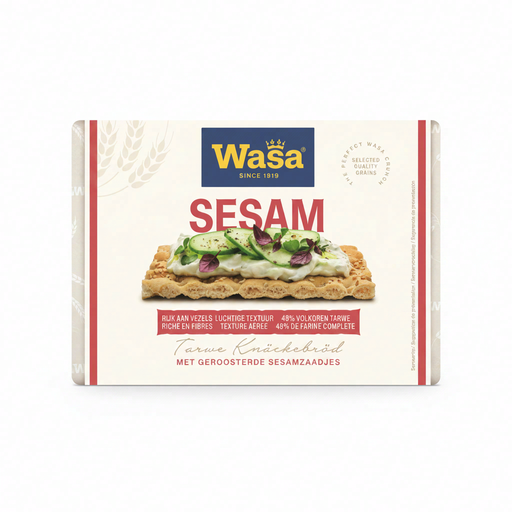 Image unavailable
Wasa Breakfast Biscuits Sesame, 250 g
A sesame cracker to consider when you need breakfast to be quick and easy. Compare the fibre per 100 g on the packaging and check whether the pack suits the way you want to take your portions with you.
View at Joybuy
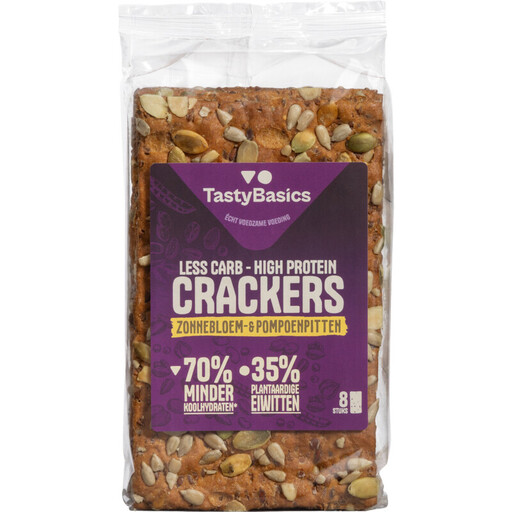 Image unavailable
TastyBasics Crackers Sunflower Seeds, 8 pieces
A sunflower seed cracker for anyone who wants to plan the number of pieces in advance. Read the label if gluten or other allergens are important to your choice.
View at Joybuy
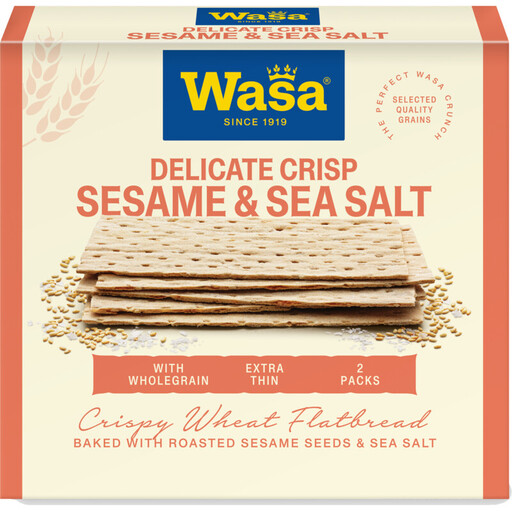 Image unavailable
Wasa Thin Crisp Sesame, 190 g
A thin sesame cracker for anyone who prefers this style at breakfast. Check the fibre value on the current nutrition table, and if you have allergies, read the ingredients and warnings too.
View at Joybuy
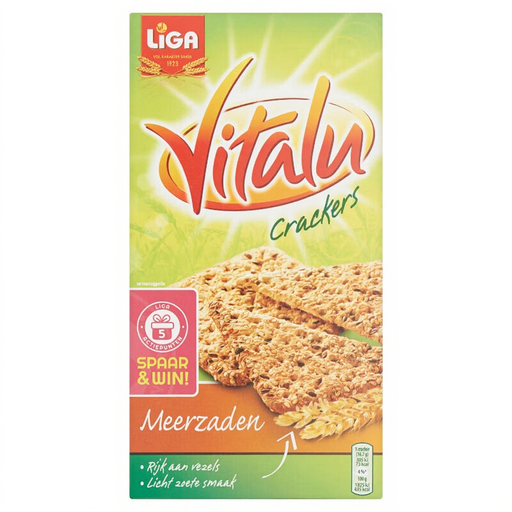 Image unavailable
Lu Vitalu Multiseed Crackers, 200 g
A multiseed cracker to compare as a breakfast option. Check the packaging for fibre per 100 g and allergen information, particularly if wheat or sesame is relevant to your choice.
View at Joybuy
Frequently asked questions
Is seeded crispbread automatically wholegrain?
No. Seeds don’t tell you what flour has been used. According to the Netherlands Nutrition Centre, crackers can only be labelled wholegrain if all the flour is wholegrain. So check the product description and ingredients.
Is ordinary rye crispbread a gluten-free choice?
No, rye contains gluten, as the Netherlands Nutrition Centre explains. If you need to avoid gluten, look for an explicit gluten-free label on the product and check for other allergens too.
How can I keep crispbread crunchy for breakfast on the go?
Keep the crispbread dry and, if you like, take your toppings separately until you’re ready to eat. Follow the storage instructions on the packaging once opened; Albert Heijn recommended storing its Bio 100% Rogge Sesam variety in a sealed tin.
Does crispbread always contain iodised baker’s salt?
You can’t tell from the product category alone. The Netherlands Food and Consumer Product Safety Authority sets out the conditions for using iodised baker’s salt in bakery products, but that doesn’t tell you which salt a particular crispbread contains. Check the current packaging or ask the manufacturer.


