
If you’re looking for a wholegrain base
For breakfast or lunch, you’ll want to check whether the crispbread is wholegrain. Compare the fibre per 100 g too; seeds on the front of the pack don’t tell you what the grain base is made from.


When choosing seeded crispbread, start with the grain base and when you plan to eat it. A wholegrain, multiseed option makes a hearty base for breakfast or lunch, while a thin sesame variety is more suited to a crunchy snack. Visible seeds don’t prove that the grain is wholegrain. Compare the nutritional values of similar products per 100 g, and check the current packaging for ingredients and allergens.
For breakfast or lunch, you’ll want to check whether the crispbread is wholegrain. Compare the fibre per 100 g too; seeds on the front of the pack don’t tell you what the grain base is made from.
If you’re mainly after a crunchy snack or something small to top, the shape and type of seed may matter more to you than a multiseed label alone.
If you have questions about sesame, cereals containing gluten or iodised salt, the information for the specific product is what matters. For packaged products, read the label; for loose products from a market stall, ask for the allergen information.
Suitable for: anyone looking for a hearty base with several types of seed. Jumbo describes Bolletje Vezelrijk Meerzaden as made with 100% wholegrain cereals and topped with sesame, linseed and chia seeds.
Keep in mind: this variety contains sesame. If you have an allergy, always check the full, up-to-date allergen information.
Suitable for: anyone who wants a thin, round crispbread for a snack or a small topping. Wasa describes Sesame & Sea Salt as this type of crispbread, with 10% sesame.
Keep in mind: sesame doesn’t mean the grain base is entirely wholegrain; the product specifications for this Wasa variety list wheat flour as the main ingredient.
Suitable for: anyone specifically looking for a rye base with sesame. Ryvita lists rye, 11% sesame and 18.5 g of fibre per 100 g for Sesame Crispbread.
Keep in mind: this information comes from an international product page; check the Dutch packaging for the current ingredients.
| What to consider | What to check when buying | Who it matters to |
|---|---|---|
| Wholegrain and fibre | Look for a wholegrain claim and compare fibre per 100 g across similar products. | For breakfast or lunch, I want to know what the grain base is, rather than go by the visible seeds. Wholegrain and fibre would be the top priority for around 36% of consumers. |
| Seeds and texture | Check which seeds are used and choose between a heartier crispbread and a thin cracker. | When I’m looking for something crunchy to snack on, the type of seed and the shape guide my choice. For around 29% of consumers, that texture would come first. |
| Sesame and gluten | Read the current allergen information; for loose products from a market stall, ask before buying. | If I need to avoid sesame or cereals containing gluten, I want to know the ingredients in the specific product. Around 21% of consumers would put checking allergens first. |
| Salt and iodised salt | Compare salt per 100 g and check the ingredients list to see what type of salt has been used. | I want to compare products using the same nutritional basis, rather than assume that all crispbread contains iodised salt. For around 14% of consumers, checking the label would be the main priority. |
A topping of sesame or other seeds doesn’t tell you whether the flour is wholegrain. That distinction matters if wholegrain is what you’re looking for.
Check for a wholegrain claim, then compare fibre per 100 g. The Netherlands Nutrition Centre recommends comparing the nutritional values of similar products on this basis.
Sesame seeds and cereals containing gluten are also relevant when checking allergens. According to the Netherlands Food and Consumer Product Safety Authority, allergen information must appear on the label of prepacked products.
Read this information before buying. If you’re buying loose crispbread at a market, ask about allergens before placing your order.
The name ‘crispbread’ doesn’t tell you what type of salt has been used in the product.
If the potential iodine contribution affects your choice, check the current ingredients list for a mention of iodised salt.
A product description can help you compare ingredients or types of crispbread, but ranges and recipes can change.
When you buy, check the packaging and the current product information for the item you’re actually choosing.
An example of hearty multiseed crispbread: Jumbo describes Bolletje Vezelrijk Meerzaden as made with 100% wholegrain cereals, sesame, linseed and chia seeds.
The brand page describes Sesame & Sea Salt as a thin, round crispbread with 10% sesame.
For Sesame Crispbread, Ryvita lists a rye base with 11% sesame and 18.5 g of fibre per 100 g.
Albert Heijn’s online range includes crispbread with sesame, sunflower seeds and pumpkin seeds.
ALDI Netherlands describes Goud Gebakken Robuust crispbread as wholegrain crispbread with seeds, available in two varieties.
Here you’ll find sesame and wholegrain crispbread alongside a Cheese Sandwich and sesame breakfast biscuits. The latter two are different products from plain crispbread that you can top yourself. First, choose the type that suits your breakfast, lunch or snack.
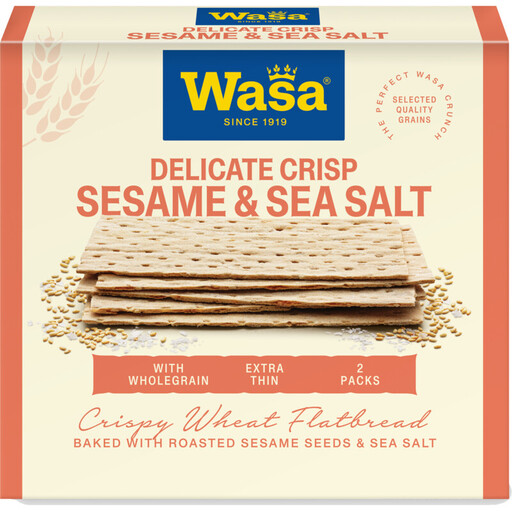 Image unavailable
A thin sesame variety for anyone looking for a crunchy snack or something small to top. If you need a fully wholegrain base, check the current packaging before choosing.
 Image unavailable
A wholegrain crispbread for anyone looking for a base for breakfast or lunch. If the type of seed will determine your choice, check the packaging to see which seeds this particular product contains.
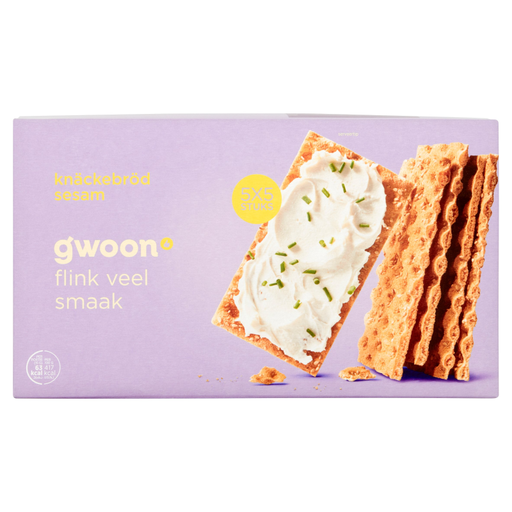 Image unavailable
Sesame crispbread for anyone choosing primarily by seed type; the pack contains 5 pieces. Compare the nutritional values per 100 g if fibre or salt matters to you too.
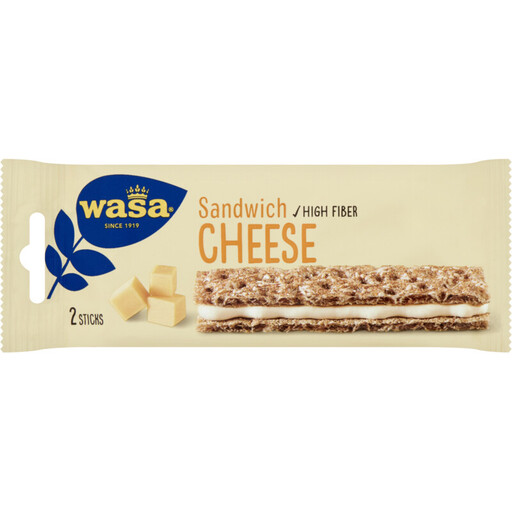 Image unavailable
A Cheese Sandwich for anyone who wants a ready-to-eat snack rather than plain crispbread to top themselves. If you have allergies, check the ingredients of this specific variety.
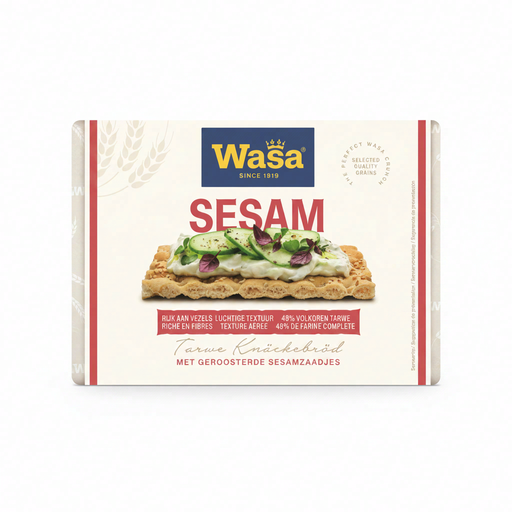 Image unavailable
Sesame breakfast biscuits for anyone looking for a crunchy breakfast option. These aren’t the same type of product as crispbread; check the packaging if you specifically want wholegrain crispbread.
No. The type of seed doesn’t tell you whether the grain base is wholegrain. Check the wholegrain claim and ingredients list for the product you’ve chosen, and compare fibre per 100 g if you wish.
Before buying, ask the seller for the allergen information for the loose product. Sesame and cereals containing gluten are relevant things to check. For prepacked products, the Netherlands Food and Consumer Product Safety Authority says allergen information must appear on the label.
Don’t assume that it does. The product name doesn’t confirm which type of salt has been used. If the potential iodine contribution of a particular crispbread affects your choice, read the current ingredients list.
Compare the nutritional information for similar products per 100 g, so different serving sizes don’t skew the comparison. Also check the ingredients list to find out what the grain base is and which seeds have been used.