What should you look for when choosing?
Start by checking allergens and any school rules, then compare the ingredients and portion size. This means an appealing mention of seeds or fibre won’t take priority over the information you need for your child.
| What to consider |
What to check before buying |
Who it matters to |
| Allergens and school rules |
Read the current ingredients and allergen information, including any ‘may contain’ warning. Check the rules at the school or childcare setting. |
If my child needs to avoid certain allergens, I want to know first whether I can pack this snack. For around 44% of consumers, this check comes first. |
| Wholegrain, fibre and salt |
Check the grain ingredient and compare fibre and salt per 100 g; also take the portion eaten into account. |
For a regular snack, I want to assess the ingredients, not just a claim on the pack. This nutritional comparison matters most to around 33% of consumers. |
| Seeds and protein |
See which seeds are listed and compare any protein value using the same quantity basis. |
My child likes a pronounced seed texture, or I want to compare products based on their protein claim. Around 23% of consumers give these features top priority. |
Crispbread and crackers at Joybuy
This selection includes wholegrain crispbread, a filled crispbread sandwich and thin sesame crackers. Choose between a base to top yourself, a filled snack or a thin cracker, and check the current allergen and nutritional information for each product.
 Image unavailable
Wasa High-Fiber Crackers 300 g
Worth considering if you’re looking for a plain, crunchy snack base rather than a filled option.
The product information lists cereals containing gluten and sesame; milk may be present. Check the current packaging and the school rules. If you want to work out the nutritional value per portion, check the weight of the portion eaten on the label.
View at Joybuy
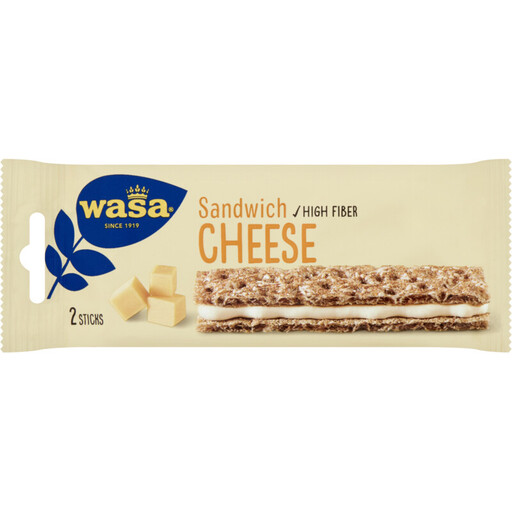 Image unavailable
Wasa Cheese Sandwich 3 x 31 g
A filled option if you’re looking for a snack that doesn’t need extra toppings. The pack contains three 31 g portions.
With its cheese filling, this is a different choice from plain crispbread. The product information lists gluten, milk and sesame; soya and lupin may be present. Before packing it, check the current packaging and the rules at the school or childcare setting.
View at Joybuy
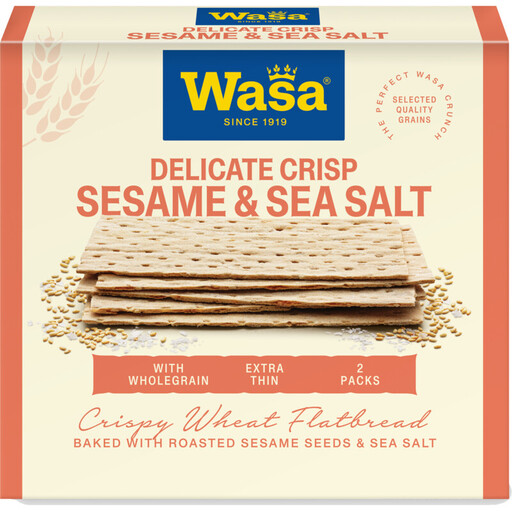 Image unavailable
Wasa Thin Crisp Sesame 190 g
A thin sesame cracker to consider if the cracker’s texture matters; it can be eaten with or without toppings.
The product information lists gluten and sesame; milk may be present. Before comparing fibre and salt with other products, check the nutritional information on the packaging on a clear per-100 g basis.
View at Joybuy
 Image unavailable
Bolletje Whole Grain Crispbread 265 g
A wholegrain crispbread option to consider if you’re looking for a plain base for a snack.
The product information lists cereals containing gluten and sesame; lupin may be present. Check the current packaging for allergens, and only compare salt when the values shown are based on the same quantity.
View at Joybuy
Frequently asked questions
Should I check for gluten and sesame in seeded crispbread?
Yes, check the current packaging for both. The seed varieties reviewed contain cereals with gluten, while some varieties also contain sesame. According to the Netherlands Food and Consumer Product Safety Authority, cereals containing gluten and sesame are among the allergens that must be listed on the label when they are present as ingredients.
Does ‘may contain’ mean an allergen is in the recipe?
No. ‘May contain’ warns of possible cross-contamination and is different from an ingredient in the recipe. If your child has an allergy, follow their agreed care plan when assessing this kind of warning.
Does crispbread always contain iodine from baker’s salt?
No, you can’t assume this of all crispbread. The Netherlands Nutrition Centre says bakers aren’t required to use baker’s salt. Check the ingredients list if iodised salt is relevant to your choice.
Can you give children wholegrain crispbread as an after-school snack?
The Netherlands Nutrition Centre lists wholegrain crispbread as a snack for children aged 4 to 12. Whether a particular seeded variety is suitable also depends on its allergens, the amount eaten and the rules at the school or childcare setting if you’re sending it in with your child.


