
Buffet planner who wants to make seeds the focus
You want visible seeds, but also need to know whether soft breakfast cake is the right base. A multiseed cracker has a different texture and isn’t breakfast cake.


Choose pre-sliced Dutch spiced breakfast cake if easy-to-serve portions are your main priority for the wedding buffet. Compare plain, wholemeal and no-added-sugar options separately by checking the label. If visible seeds are what you’re looking for, you could serve a topping separately or choose a multiseed cracker, bearing in mind that a cracker isn’t soft breakfast cake. Whichever option you choose, check the ingredients and allergen information guests will need at the buffet.
You want visible seeds, but also need to know whether soft breakfast cake is the right base. A multiseed cracker has a different texture and isn’t breakfast cake.
You want to serve without slicing on the day and know in advance how many slices a pack contains. Pre-sliced breakfast cake is a practical option to compare.
You’re serving a mixed group and want to be able to say which allergens are present in each cake, cracker or topping. This calls for clear information by the dish, particularly when serving loose seeds or unpackaged buffet food.
First decide whether soft breakfast cake or a more pronounced seeded texture matters most. Then compare the portions, nutritional information and allergens of the products you actually plan to serve.
| What to consider | What to check when buying | Who it matters to |
|---|---|---|
| Seeds and texture | Check which seeds are listed in the ingredients and decide whether you want soft breakfast cake or a cracker. | I want the seeds to be visible and noticeable when eaten; for around 33% of consumers, seeded texture is the top priority. |
| Allergens at the buffet | Check the allergens in the product and any toppings; keep the information available for each dish. | If guests are helping themselves, I want to be able to tell them what each dish contains. This is the main concern for around 27% of consumers. |
| Serving and portions | Check whether the cake is pre-sliced and how many slices or crackers the pack contains. | I want to prepare portions without having to slice anything during the buffet; around 20% of consumers prioritise this convenience. |
| Wholemeal and sugars | Compare fibre and sugars per 100 g and per portion; check a claim such as ‘no added sugars’ separately from the wholemeal description. | I want to know what a chosen portion contains, rather than relying on a single word on the pack. For around 20% of consumers, this nutritional profile matters most. |
Wholemeal describes the grain base; it doesn’t mean a cake contains visible seeds. This distinction matters if the seeded texture is the reason for your choice.
Check the ingredients for the seeds you want. If you’re sticking with breakfast cake as the base, serve any topping separately and label it clearly.
Sesame and nuts can change the allergen information for a buffet portion. Once products are out of their packaging and on a dish, that information is no longer automatically visible to guests.
Keep the product information, list the relevant allergens for each dish and use separate serving utensils wherever you want to avoid contact between products.
On its own, this claim doesn’t tell you how much sugar or fibre a portion contains, nor does it mean the cake is wholemeal.
Check the nutrition table and ingredients list for the specific option before deciding what information is relevant to the buffet.
According to the Netherlands Bakery Centre, using baker’s salt containing iodine isn’t a legal requirement. The origin or name of a breakfast cake therefore doesn’t guarantee which type of salt was used.
Check the ingredients list if the type of salt matters to your product choice or the information you provide at the buffet.
For anyone comparing sliced plain and wholemeal breakfast cake as a buffet base.
A retailer where you can compare breakfast cake options and pack formats.
An ALDI own brand to consider if pre-sliced breakfast cake and a ‘no added sugars’ claim are relevant to your buffet.
Worth considering when seeds matter more than choosing breakfast cake.
These Joybuy products are crackers for a buffet where seeds matter more than the soft texture of breakfast cake. Compare them as alternative buffet items, not as types of breakfast cake.
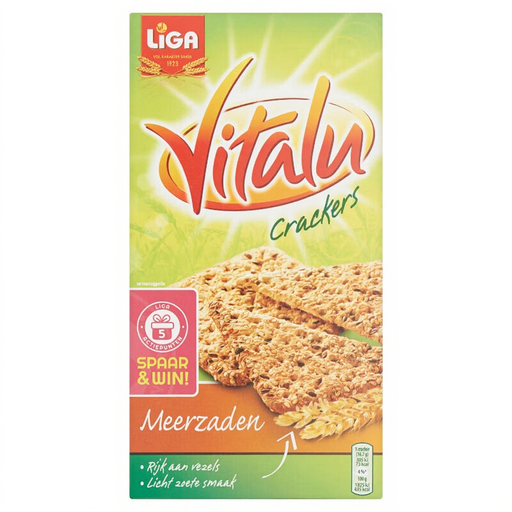 Image unavailable
A cracker option if you’d rather serve several types of seeds than soft breakfast cake at your buffet. The pack contains 200 g; check the current ingredients and allergen information before serving.
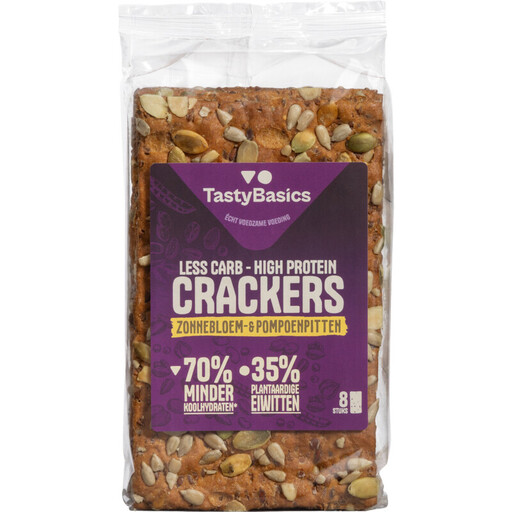 Image unavailable
A cracker option if you want sunflower seeds and portions you can count out in advance. The pack contains 8 crackers; check the current ingredients and allergen information on the pack for your buffet notes.
When a business serves unpackaged food to consumers, information about any allergens present must be available. The Netherlands Food and Consumer Product Safety Authority gives labels and menus as examples of ways to provide this information. For a private buffet, it’s also sensible to keep product information accessible for each dish, without assuming the same legal requirement applies to private hosts.
Keep portions with sesame clearly separate and label them clearly. The Netherlands Food and Consumer Product Safety Authority lists sesame seeds as one of the allergens consumers must be told about when relevant food is served; also check the information for the cake itself.
No, you can’t tell that from the word ‘wholemeal’. For the sliced wholemeal option consulted, Peijnenburg lists 39 g of sugars per 100 g, compared with 38 g per 100 g for the plain option. Compare the nutrition table for the specific products you’re considering.
No, the fact that a breakfast cake is made in the Netherlands doesn’t guarantee this. According to the Netherlands Bakery Centre, using baker’s salt containing iodine isn’t a legal requirement. Check the ingredients list of your chosen product if the type of salt used matters to your decision.
Put out a small number of easy-to-grab portions and top up the platter if needed. The Netherlands Nutrition Centre explains that people eat more when food is easy to reach and there’s plenty of it. Choose a presentation that suits the number of guests and the rest of the buffet.