What should you look for?
First, decide what matters most when choosing bread for your holiday. The grain base, quantity, allergens and nutritional values each need a different kind of check.
| What to consider |
What to check before buying |
Who is this most important for? |
| Grain base and fibre |
Check whether wholemeal flour is listed and compare fibre per 100 g. Visible seeds alone don’t tell you what grains the bread is made from. |
For my everyday holiday lunch, I want more than just seeds on the bread: I also want to know what it’s made from. Around 33% of consumers would prioritise the grain base and fibre. |
| Size and storage |
Compare the pack size with the length of your stay and read the storage instructions, particularly if you want to freeze portions. |
If I’m only away for a short time or my group doesn’t eat much bread, I don’t want a large amount to go to waste. Around 25% of consumers would put the quantity they need first. |
| Ingredients and allergens |
Read the latest allergen information; if the bread is sold loose, ask about it before buying. |
If I need to avoid an allergen, this particular bread must meet my requirements, so I can’t rely on the product name. An estimated 25% of consumers would check ingredient suitability first. |
| Nutritional values |
If you have a specific dietary preference, compare carbohydrates, fat, fibre and salt on the same basis, such as per 100 g. |
Anyone keeping an eye on carbohydrates will want to see the full nutritional information before packing a seed-rich loaf. Around 17% of consumers would make this comparison their main priority. |
Seeded bread for holiday portions and longer stays
This Joybuy selection includes TastyBasics bread in packs of five pieces and round Lekhaven multigrain loaves weighing 550 g each. Focus on how much bread you’ll need, and also check the packaging for ingredients, storage and any preparation instructions.
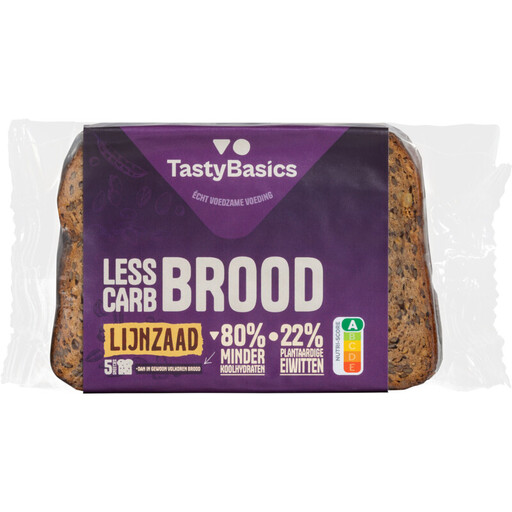 Image unavailable
TastyBasics Bread Linseed, 5 pieces
A pack of five pieces may be a good fit if you want to match the amount of bread to a short stay. Before you leave, check the ingredients, allergens and storage instructions on the packaging.
View on Joybuy
 Image unavailable
TastyBasics Rustic Bread, 5 pieces
This pack also contains five pieces, so you can weigh it up against how often you’ll eat bread on holiday. To compare it with Bread Linseed, read the nutritional and allergen information on both packs.
View on Joybuy
 Image unavailable
Lekhaven Bakkerij Multigrain Country Bread Round, 550 g
A 550 g round multigrain loaf is a different quantity from a pack of five pieces, so think about how much you’ll use during your stay. If you want to bake the bread, check the instructions on the packaging and make sure you have a suitable oven.
View on Joybuy
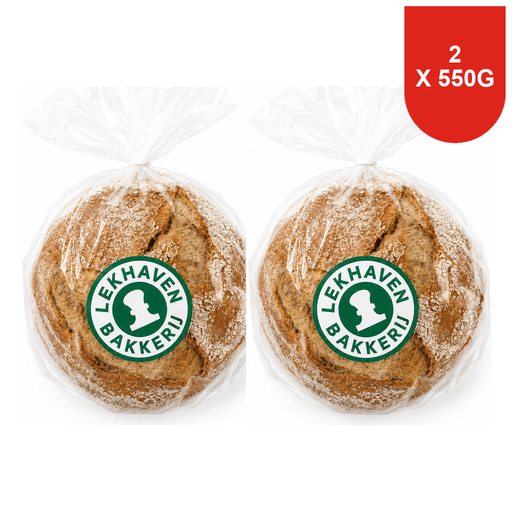 Image unavailable
Lekhaven Bakkerij Multigrain Country Bread Round, 2 × 550 g
Two round multigrain loaves weighing 550 g each call for a plan for using and storing them, especially if you’re only away for a short time. Check the storage and baking instructions on the packaging, and make sure you have the facilities you need.
View on Joybuy
Frequently asked questions
Does seeded bread automatically contain iodine?
No, seeded bread isn’t always made with baker’s salt. The Netherlands Nutrition Centre says that using baker’s salt is not compulsory, so check the ingredients list or ask about it if the bread is sold loose and this matters to your choice.
Should I check for sesame and gluten in seeded bread?
Yes. If you need to avoid these ingredients because of an allergy or other dietary requirement, check the specific bread. Read the latest label, and if the bread is sold loose, ask about allergens before buying, as advised by the Netherlands Food and Consumer Product Safety Authority.
How should I store seeded bread while I’m on holiday?
First, follow the storage advice on the packaging and choose an amount that suits your stay. As a general guideline for wholemeal bread, the Netherlands Nutrition Centre recommends 2–4 days in a kitchen cupboard and 1–3 months in the freezer. These timeframes don’t override different instructions for a specific product. Throw away mouldy bread.
Is gluten-free seeded bread automatically a lighter option?
No. ‘Gluten-free’ on its own doesn’t mean that bread contains fewer calories or more fibre. The Netherlands Nutrition Centre says that people without coeliac disease, a wheat allergy or diagnosed gluten sensitivity don’t need to eat gluten-free. Before you buy, compare the nutritional information and ingredients of the products you’re considering.


