If a wholemeal base is important for school lunches, start with a loaf labelled ‘wholemeal’. Visible seeds or the name ‘multigrain’ don’t prove that it is. Then choose a texture the pupil enjoys, check the allergen information for the exact bread, and consider any school rules and the format that best suits your lunch routine.
Who is this choice relevant to?
Parents looking for a wholemeal base
When choosing bread for lunch, you want to know whether it really is wholemeal, rather than relying on its dark colour or the seeds on top. According to the Netherlands Nutrition Centre, the word ‘wholemeal’ on bread tells you that it is.
Pupils who care about texture
Bread with seeds or kernels should be enjoyable to eat during the school break, too. Think about what the pupil likes and choose a format that’s easy to take with them.
Families who need to check allergens
If someone has a food allergy, the information for the exact bread matters more than its name. Check the listed allergens and any warnings about cross-contamination, and find out what rules apply at school.
What should you look for in seeded bread?
First decide whether you need a wholemeal base, then consider the texture of the seeds and check the allergens before buying. The loaf format and availability will help you decide whether it’s a practical choice for the school week.
| What to consider |
What to check when buying |
Who it matters to |
| Wholemeal base |
Look for the word ‘wholemeal’. Compare the fibre content of breads with the same base, per 100 g. |
I want to choose a bread for lunch that is clearly wholemeal, even if another loaf has more visible kernels. For around 33% of consumers, a wholemeal base comes first. |
| Texture and taste |
Check which seeds or kernels are listed, and whether the format is easy to take along and eat. |
If I pack seeded bread, the pupil should enjoy eating it and find it easy to eat during a short break. Around 20% of consumers put ease of eating first. |
| Allergens and school rules |
Read the latest allergen information, including any warnings about cross-contamination, and check the rules at your school or in your child’s class. |
If allergens may be a concern, I want to know exactly what’s in the bread before it goes into the lunchbox. This is the top priority for around 27% of consumers. |
| Portions and availability |
Choose a whole loaf, half loaf or individual rolls to suit how much you use; check where your chosen option is available. |
I want to pack bread without leaving a large, unused pack behind. For around 20% of consumers, this practical consideration matters most. |
Common mistakes
-
Assuming visible seeds mean the bread is wholemeal
Bread can contain seeds and different grains without being wholemeal. The Netherlands Nutrition Centre explains that bread labelled ‘wholemeal’ is made with wholemeal flour.
If you’re looking for a wholemeal base, check the label first; then choose the seeds for their taste and texture.
-
Relying only on school rules
Rules about bringing food to school won’t tell you which allergens a particular bread contains. According to the Netherlands Food and Consumer Product Safety Authority, cereals containing gluten and sesame are among the allergens consumers must be informed about.
For packaged bread, read the label. For unpackaged bread, ask for the allergen information and also check the rules at your school or in your child’s class.
-
Applying one bread’s nutritional information to other loaves
A fibre figure relates to a specific product. For example, Jumbo lists 7.6 g of fibre per 100 g for Fijn Volkoren; that figure doesn’t apply to other Jumbo breads or to seeded bread in general.
Compare the nutritional information per 100 g on the packaging of the breads you’re actually choosing between.
-
Choosing a larger pack than you’ll use
A whole loaf, half loaf and individual rolls won’t suit every lunch routine. If you don’t use a pack in time, it could lead to food waste.
Choose an amount that suits the number of lunches you’re making and follow the storage instructions for your chosen product.
Brands and shops to consider
These retailers’ ranges give you a starting point for comparing types of bread. Whether a particular loaf is right for you depends on the latest product information.
Albert Heijn
Albert Heijn shows a range of wholemeal breads online, including waldkorn and artisan-style loaves.
- You can compare different loaf formats and wholemeal options.
- Albert Heijn says some options are only available in store; check the ingredients and allergens for the loaf you choose.
Jumbo
For Fijn Volkoren, Jumbo provides product information including ingredients, allergens and nutritional values.
- The fibre content per 100 g is listed for this specific loaf.
- The information for Fijn Volkoren doesn’t automatically apply to other seeded breads from Jumbo.
Lidl
Lidl describes its Volkorenbol as bread with seeds and kernels, and also shows other wholemeal options.
- Lidl provides an overview of ingredients and allergens for its freshly baked bread range.
- Check availability at your local store and the latest product information for the bread you choose.
ALDI
ALDI describes a multigrain wholemeal bread with grains and seeds, and also shows fine wholemeal bread.
- The products listed offer different bread textures to compare.
- Check the packaging of the option you choose for the exact ingredients and allergens.
PLUS
PLUS shows a range online that includes wholemeal, multigrain, waldkorn and sourdough bread.
- The category includes different types and formats of bread.
- PLUS says product details can change; use the latest packaging to check the ingredients, nutritional values and allergens.
Dirk
Dirk shows wholemeal, multigrain and sourdough bread online, including options with several types of seed.
- The range shown includes both whole and half loaves.
- Check the latest ingredients, allergens and availability for the loaf you choose.
Bread and rolls on Joybuy
These products include bread with linseed and multigrain bread or rolls for putting together a school lunch. A name featuring seeds or ‘multigrain’ doesn’t confirm that the bread is wholemeal: check the packaging and allergens, as well as any preparation instructions, before choosing an option.
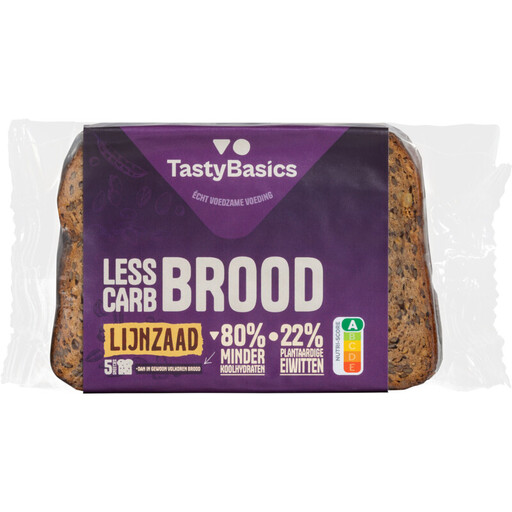 Image unavailable
TastyBasics bread with linseed, 5 pieces
A good fit for a lunch when the pupil would like bread with linseed. Check the packaging to see whether it’s labelled as wholemeal and to find out which allergens or warnings are listed.
View on Joybuy
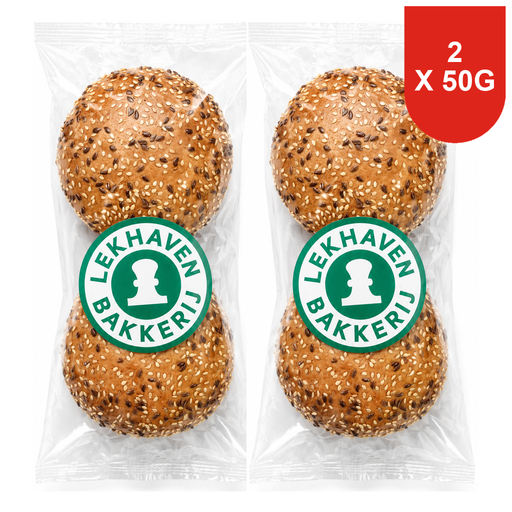 Image unavailable
Lekhaven Bakkerij brioche rolls with sesame and linseed, 2 × 50 g
Individual rolls can work well for separately packed lunch portions. Check the allergen information and read the preparation and storage instructions before packing them.
View on Joybuy
 Image unavailable
Lekhaven Bakkerij round multigrain bread, 550 g
A round loaf could be a good choice if you want to cut your own lunch portions. Check the packaging to see whether it’s wholemeal, which allergens are listed and what preparation instructions apply.
View on Joybuy
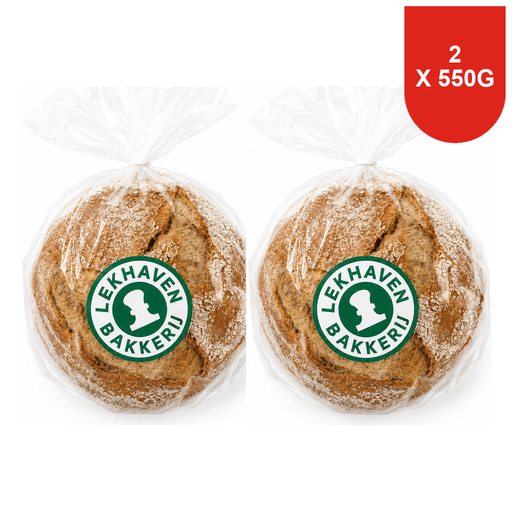 Image unavailable
Lekhaven Bakkerij round multigrain bread, 2 × 550 g
Two loaves could be suitable if you’re planning ahead for several school lunches and can store and use the quantity. Check the wholemeal label, allergens, and preparation and storage instructions.
View on Joybuy
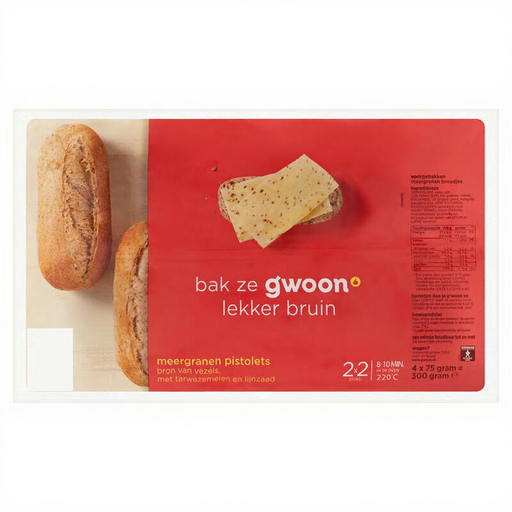 Image unavailable
g'woon multigrain rolls, 4 pieces
Individual rolls can be handy for lunch portions. Before buying, check the latest packaging for a wholemeal label and, above all, the precise allergen information, including details about sesame.
View on Joybuy
Frequently asked questions
Is multigrain bread automatically wholemeal?
No. According to the Netherlands Nutrition Centre, ‘wholemeal’ on bread means it’s made with wholemeal flour; ‘multigrain’ and visible seeds don’t guarantee this on their own. So check the label on the bread you buy.
Where can I check the allergens in seeded bread?
For packaged bread, read the allergen information on the label. The seller should be able to provide this information for unpackaged bread. If you have a food allergy, also check for warnings about cross-contamination and find out what rules apply at your school or in your child’s class.
How should I store bread for several school lunches?
Follow the storage instructions for the bread you choose and pick a pack size that suits the number of lunches you’ll make. Jumbo recommends storing its Fijn Volkoren in a cool, dry place away from light; other breads may have different instructions.
Why is baker’s salt mentioned in connection with bread?
Baker’s salt contains iodine, which is why the Netherlands Nutrition Centre highlights bread baked with it. Check the product information or packaging to see whether the bread you choose contains baker’s salt.


