For a school lunch, choose bread explicitly labelled wholegrain if the whole grain is your priority. Seeds can add the texture you’re looking for, but they don’t automatically make bread wholegrain. If a food allergy is a concern, check the label on the specific bread and the school’s rules: gluten-free seeded bread can still contain other allergens.
Which bread is right for your family?
Families prioritising wholegrain
If you’re looking for wholegrain bread for a school lunch, seeds can be an extra option to add texture. The Netherlands Nutrition Centre describes wholegrain bread as rich in fibre, vitamins and minerals; the presence of seeds doesn’t determine whether bread is wholegrain.
Families who need to check allergens
If an allergy is a concern, the information for the product you choose matters—not just the type of bread. The Netherlands Food and Consumer Product Safety Authority lists cereals containing gluten, sesame, soya, milk, eggs and nuts among the allergens consumers must be informed about. Check the rules for the school lunch in question, too.
Families looking to add variety to lunch
For those choosing mainly by flavour and texture, product information from retailers including Jumbo, Lidl and ALDI lists both lighter multiseed breads and darker wholegrain breads with seeds. As well as checking the seeds, look at the type of bread: these labels don’t mean the same thing.
What should you look for?
For a school lunch, first decide whether wholegrain, a specific allergen check or the texture you want will guide your choice. Then compare the size and preparation with your shopping routine.
| What to consider |
What to check when buying |
Who it matters to |
| Wholegrain and fibre |
Look for the label ‘wholegrain’. If needed, compare fibre on the same basis, such as per 100 g. |
If whole grains are the priority for everyday sandwiches, I see seeds as an extra, not a substitute for wholegrain. Around 36% of consumers would choose this as their main consideration. |
| Allergens and school rules |
Read the current label or ask about allergens for unpackaged bread; also check the rules set by the school or class. |
If a child needs to avoid certain ingredients, I want to know whether this particular bread is suitable before packing it. Around 29% of consumers would make this their top priority. |
| Flavour and texture |
Compare the type of bread and check which seeds are listed in the product information. |
For a lunch that actually gets eaten, I consider whether they prefer lighter bread or a heartier seeded slice. This would guide the choice for around 21% of consumers. |
| Size and planning |
Check whether it’s a whole or half loaf, individual rolls or a product that still needs baking. |
If I plan lunches in advance, I want a size and preparation method that suit my household. Around 14% of consumers would have this as their main requirement. |
Common mistakes
-
Assuming ‘multiseed’ means ‘wholegrain’
Bread can contain seeds without being made from the whole grain. This matters if you’re specifically looking for wholegrain bread for a school lunch.
First look for the label ‘wholegrain’, then decide whether the seeds suit the flavour and texture you want.
-
Only thinking about gluten
Sesame and other allergens may also be a concern. The warnings that apply vary from product to product.
Read the allergen information for the bread you’re actually buying and check it against the individual’s dietary requirements and any school rules.
-
Assuming ‘gluten-free’ means ‘allergen-free’
Jumbo’s product information for its gluten-free multiseed bread lists soya and possible traces of almonds, eggs and milk. For its gluten-free multiseed bread, PLUS lists soya and oat products among other ingredients.
Even with a gluten-free option, check the full, up-to-date allergen information.
-
Choosing unpackaged bread without asking about allergens
Information isn’t on an individual package when bread is sold loose. The Netherlands Food and Consumer Product Safety Authority states that allergen information must be available before purchase.
Check the information by the shelf or ask a member of staff before buying and packing the bread for school.
Brands to compare
These supermarket examples show different types of bread. Always check the information for the specific product you’re considering.
Albert Heijn
In its consumer information, Albert Heijn explains that wholegrain bread is made from ground whole grains.
- A useful starting point when you’re looking specifically for wholegrain bread.
- Check whether your chosen loaf also contains seeds and which allergens are listed.
Jumbo
Jumbo describes both a wholegrain multigrain loaf with seeds and kernels, and a gluten-free multiseed bread.
- Product information lets you check the ingredients, allergens and nutritional values for each loaf.
- The gluten-free example contains soya and may contain other allergens; check the current label.
Lidl
Lidl describes a multigrain loaf with grains and seeds, and provides an ingredients and allergen overview for freshly baked bread.
- An option to explore if you’re looking for multigrain bread with seeds and its accompanying product information.
- The label ‘multigrain’ alone doesn’t confirm that a loaf is wholegrain.
ALDI
ALDI describes a dark brown wholegrain Wadden loaf with seeds and grains, as well as a lighter multiseed loaf with a seed crust.
- These examples offer a choice between a loaf labelled wholegrain and a lighter multiseed option.
- Check the information for the specific loaf for its ingredients and allergens.
PLUS
PLUS lists a gluten-free multiseed bread with seeds and kernels, and provides nutritional and allergen information.
- A product to consider if you need a gluten-free bread option.
- The product information also lists soya and oat products; check the current label against the specific dietary requirement.
Dirk
Dirk lists, among other options, farmhouse multiseed bread from Bakker van der Akker, as well as other types of bread.
- The farmhouse multiseed bread is a specific example for anyone looking for seeded bread.
- Ask for the full ingredients and allergen information for this loaf before choosing it for a school lunch.
Bread and rolls at Joybuy
This selection includes multigrain bread, multigrain rolls and brioche burger buns to consider for a lunch with seeds. If you specifically want wholegrain bread or need to avoid allergens, check that each product meets your requirements.
 Image unavailable
Lekhaven Bakkerij Multigrain Country Bread Round 550 g
A round multigrain loaf to consider if you’re making sandwiches for a school lunch. The loaf weighs 550 g.
It’s delivered frozen and needs to be defrosted and baked; follow the packaging for the baking time. Check the label for wheat and sesame, and make sure the bread is labelled wholegrain if that’s important to your choice.
View at Joybuy
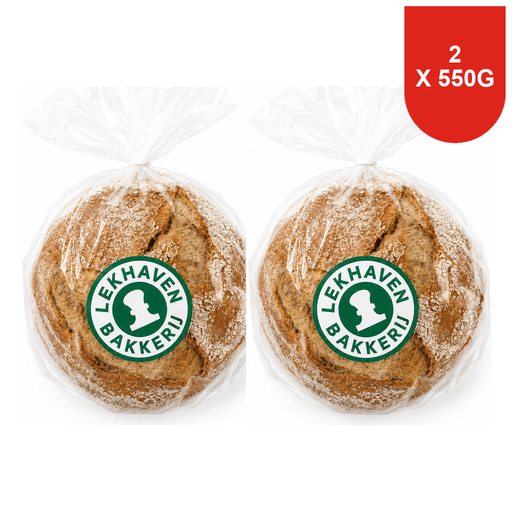 Image unavailable
Lekhaven Bakkerij Multigrain Country Bread Round 2 × 550 g
This pack of two round multigrain loaves is a good choice if you want to plan ahead and make more than one loaf for lunches. Each loaf weighs 550 g.
The loaves are delivered frozen and need to be defrosted and baked; check the packaging for preparation instructions. Also read the current label for wheat and sesame, and check whether the bread is wholegrain if that will determine your choice.
View at Joybuy
 Image unavailable
g'woon Multigrain Rolls, 4 pieces
Four individual multigrain rolls are an option if you’d rather pack rolls than slices of bread.
If you’re choosing them for their seeds, check the current label, including for cereals containing gluten and sesame. If wholegrain is a requirement, check separately whether the rolls are labelled as such.
View at Joybuy
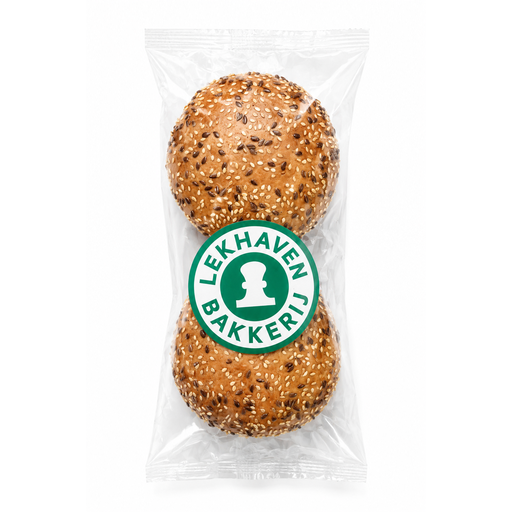 Image unavailable
Lekhaven Bakkerij Brioche Hamburger Buns 2 × 50 g
Two brioche burger buns for a lunch where you’d like to serve this style of bun. Each bun weighs 50 g.
The buns are delivered frozen and, according to the description, need around four hours to defrost. The description lists gluten, milk, eggs and sesame, and possible traces of soya and nuts; check the current label and any school rules. Also check whether the product suits a wholegrain preference.
View at Joybuy
Frequently asked questions
Is multiseed bread automatically wholegrain?
No. The presence of several types of seed doesn’t prove that bread is made from the whole grain. Look for the label ‘wholegrain’ if that’s your starting point for a school lunch.
Does all seeded bread contain gluten?
No, it varies by product. As well as regular bread made with cereals containing gluten, there are multiseed breads specifically labelled gluten-free. Always check the current allergen information for the bread you choose.
How do I check allergens in unpackaged bread?
Ask for the allergen information before buying or check what information is available by the shelf. According to the Netherlands Food and Consumer Product Safety Authority, this information must also be available before purchase for unpackaged products.
Is gluten-free multiseed bread also free from other allergens?
No, ‘gluten-free’ doesn’t mean ‘allergen-free’. For its gluten-free multiseed bread, Jumbo lists soya and possible traces of almonds, eggs and milk; PLUS lists soya and oat products for its version. Check the current label against the specific dietary requirement.


