
Parents looking for a wholemeal lunch staple
For parents who want to choose a wholemeal loaf first and see seeds mainly as a way to add texture. The Voedingscentrum recommends wholemeal and brown bread as fibre-rich choices for children’s lunches.


Start with the type of bread: according to the Voedingscentrum, ‘multigrain’ does not automatically mean ‘wholemeal’, even when the bread contains seeds. Choose a texture your child enjoys, and always check the label of the specific bread if allergies are a concern. For lunches throughout the school holidays, you can adjust the quantity to suit how much you’ll use, or freeze the bread in portions as soon as you buy it.
For parents who want to choose a wholemeal loaf first and see seeds mainly as a way to add texture. The Voedingscentrum recommends wholemeal and brown bread as fibre-rich choices for children’s lunches.
If chunky seeds or a firm crust aren’t a hit, a finer wholemeal bread could be a good alternative to seeded bread. For example, Lidl describes a kids’ bread made with extra-finely milled wholemeal flour; that doesn’t in itself mean it contains seeds.
If your child has an allergy or needs to follow a gluten-free diet, the information on the specific label is what matters. The bread products described here include sesame, soya, milk and gluten-containing cereals; also look out for any warnings about cross-contamination.
First, check whether allergens limit your choice. Then compare the type of bread, the texture your child likes and how much you’ll use during the holidays.
| What to consider | What to check when buying | Who it matters to |
|---|---|---|
| Wholemeal | Look for the word ‘wholemeal’ and check the ingredients. ‘Multigrain’ on its own, or visible seeds, isn’t enough. | I want wholemeal bread as the basis for my child’s lunch, with seeds as an extra. Wholemeal bread would be the top priority for around 39% of consumers. |
| Texture | Look for whole seeds, the crust and descriptions of a finer texture; check separately whether a softer option contains seeds. | My child leaves bread with chunky seeds uneaten, so I’m looking for a texture they enjoy. Texture would come first for around 23% of consumers. |
| Allergens | Read the current ingredients list, highlighted allergens and any ‘may contain’ warnings for the specific bread. | If we need to avoid an allergen, this particular bread must meet that requirement. For around 23% of consumers, this would be the deciding concern. |
| Quantity | Choose a whole or half loaf to suit the number of lunches; freeze any bread you’ll use later in portions as soon as you buy it. | With plans changing from one holiday day to the next, I don’t want more bread left over than we can use. Stock planning would be the top priority for around 15% of consumers. |
According to the Voedingscentrum, ‘multigrain’ means that several types of grain have been used. The name alone doesn’t tell you whether the bread is wholemeal.
Check for the word ‘wholemeal’ and read the ingredients before taking seeds, kernels or the colour of the bread into account.
Seeded bread may also contain sesame, soya, milk or gluten-containing cereals. The PLUS wholemeal multigrain rolls described here also carry warnings about the possible presence of other allergens.
Check the current label of the variety you choose every time you buy it, including any ‘may contain’ information.
The Voedingscentrum says that using baker’s salt is not compulsory. So a seed topping or the word ‘organic’ won’t tell you whether the bread was made with iodised salt.
If iodine from bread matters to you, check the ingredients for ‘baker’s salt’ or ‘iodised salt’. If you’re buying unpackaged bread, ask the bakery.
If the number of lunches at home varies, you may find yourself with bread left over before you’ve had a chance to use it.
Choose a size that suits how much you expect to use, or follow the Voedingscentrum’s advice to freeze the bread in portions as soon as you buy it.
The features mentioned apply to the specific products described, not to every loaf from these brands. Always check the pack of the variety you’re buying before you decide.
Albert Heijn describes both a wholemeal spelt loaf with seeds and a separate wholemeal multiseed loaf.
Jumbo describes, among other products, a gluten-free multiseed loaf.
Lidl describes an organic multigrain sourdough loaf with seeds and kernels and, as a separate texture option, a kids’ bread made with finely milled wholemeal flour.
ALDI describes its Boeren volkoren meergranen as a loaf made with grains and seeds.
PLUS describes Korenlanders wholemeal multigrain rolls made with a variety of seeds and kernels.
Dirk describes Bakker van der Akker Boeren meerzaden as a brown wheat loaf with seeds.
These two Lekhaven Bakkerij packs are options to consider if you’re looking at multigrain bread for school-holiday lunches. One contains two 550 g loaves and the other contains one 550 g loaf. Check the wholemeal status, ingredients and allergens of each pack separately.
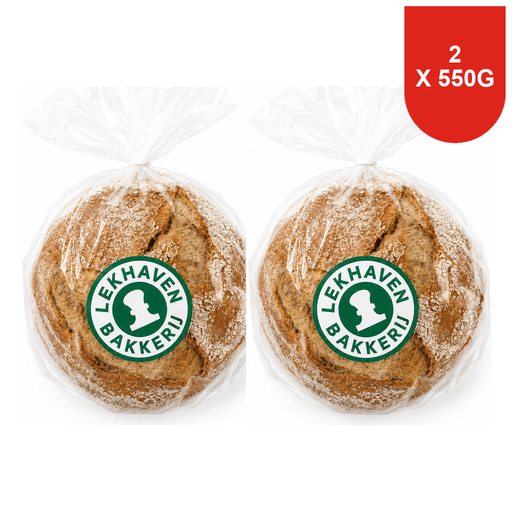 Image unavailable
The two-loaf pack suits anyone planning several lunches, as long as the quantity matches how much you’ll use.
The product information says to freeze the bread before baking. Remember to allow time to defrost, bake and cool it before slicing.
Check the current pack to see whether the bread is wholemeal, which allergens it contains and what type of salt is used. Only compare fibre values when the nutritional information gives a clear basis, such as per 100 g.
 Image unavailable
The 550 g loaf suits anyone planning a smaller quantity for lunch than the two-loaf pack provides.
For this variety too, the product information says to freeze the bread before baking, then defrost, bake and cool it before slicing.
Check the current pack for wholemeal status, allergens and the type of salt used. Only use the nutritional information to compare fibre if the unit and basis are clear.
No. According to the Voedingscentrum, ‘multigrain’ means that several types of grain have been used, not that the bread is wholemeal. Look for the word ‘wholemeal’ and check the ingredients; seeds are a separate feature.
Check the current label for allergens in the specific bread. The products described here include gluten-containing cereals, sesame, soya and milk, among others; some also carry warnings about the possible presence of other allergens. The Netherlands Food and Consumer Product Safety Authority explains that allergens must be clearly listed on the label.
No. According to the Voedingscentrum, baker’s salt isn’t compulsory in bread. For packaged bread, check whether the ingredients list includes ‘baker’s salt’ or ‘iodised salt’. If it matters to your choice, ask about the salt used in unpackaged bread.
If you want to use the bread later, it’s best to freeze it in portions as soon as you buy it, as the Voedingscentrum advises. You can then take out what you need for each lunch. For packaged bread, also follow the storage instructions on the label.