What should you look for when choosing?
Start by asking whether the older person will find the bread comfortable to eat. Then compare the wholemeal content and the label, and choose a size that suits how often you have coffee together.
| What to consider |
What to check when buying |
Who it matters to |
| Wholemeal content and fibre |
Check which types of flour are listed in the ingredients and compare the fibre per 100 g. |
For coffee time, I want a loaf with a clearly stated wholemeal base and fibre content I can compare. Wholemeal content and fibre are priorities for around 36% of consumers. |
| Texture |
Consider the crust, crumb and whole kernels; if needed, look for a softer or finer-textured loaf. |
If a firm crust or loose kernels make eating difficult, I’d prefer a loaf with a more comfortable texture. Texture is the main concern for around 29% of consumers. |
| Allergens and diet |
Check the ingredients, allergen information and any warnings on each pack. |
I want to be able to rule out a loaf if an ingredient conflicts with an allergy or personalised dietary advice. Around 21% of consumers prioritise suitability. |
| Portions and storage |
Check the size, whether it is sliced and the storage instructions if you won’t use the loaf quickly. |
For a few coffee breaks, I want to use only as much bread as needed without letting the rest go stale. Portion size and storage are the top priorities for around 14% of consumers. |
Brands to consider
These product examples show why the name of the bread isn’t enough on its own: the ingredients and nutritional information determine what you can actually compare.
Albert Heijn
Albert Heijn describes AH Les Pains Boulogne as a dark wholemeal multiseed loaf with kernels and seeds.
- The product information lists ingredients including pumpkin seeds, linseed, sunflower seeds and sesame.
- If you have allergies, check the current packaging; product information can change.
Jumbo
Jumbo describes Rond Korn Volkoren as a round wholemeal multigrain loaf with seeds and kernels.
- The description clearly identifies the type of bread and confirms it contains seeds and kernels.
- Consider whether the texture will be comfortable for the person who will be eating it.
ALDI
ALDI describes Boeren volkoren meergranen as a loaf made with grains and seeds.
- The product description helps you identify this type of loaf.
- Check the current product packaging for nutritional values and allergen information.
PLUS
PLUS Korenlanders Licht Meerzaden is a brown multigrain loaf with seeds and kernels.
- The ingredients list states that it contains 30% wholemeal wheat flour and 22% wheat flour.
- Don’t assume it has an entirely wholemeal base just because it’s called ‘multiseed’.
Dirk
Dirk stocks Bakker van der Akker Boeren Extra vezels volkoren heel.
- The product name identifies it as a wholemeal loaf.
- If they matter to your choice, compare the fibre and other nutritional information on the current label.
Bread options on Joybuy
These round loaves from Lekhaven Bakkerij are worth considering if you’re looking for bread with grains and seeds to enjoy with coffee. Before buying, also consider the texture you want, the ingredients and how the bread needs to be prepared.
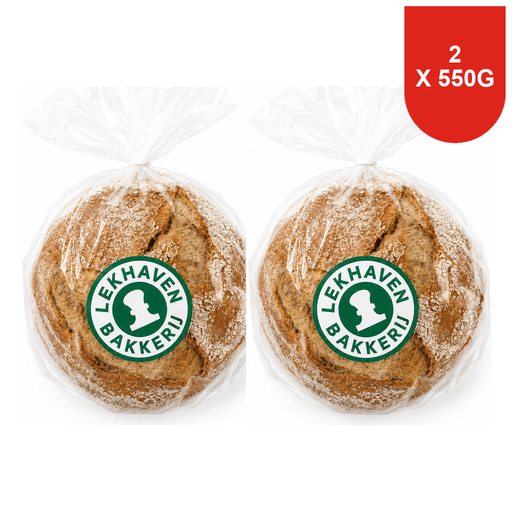 Image unavailable
Lekhaven Bakkerij Multigrain Country Bread, round, 550 g × 2
A pack of two round loaves for anyone who wants to serve several portions with coffee.
The bread needs to be defrosted, baked and cooled before serving. Check the packaging for ingredients, allergens and preparation instructions; also consider whether the texture will be comfortable for the older person to eat.
View on Joybuy
 Image unavailable
Lekhaven Bakkerij Multigrain Country Bread, round, 550 g
A 550 g round loaf to consider if this size suits your coffee break.
Allow time to defrost, bake and cool the bread. Check the current packaging for ingredients and allergens, and consider whether the crust and crumb will be comfortable for the older person to eat.
View on Joybuy
Frequently asked questions
Is seeded bread always wholemeal?
No. Seeds and kernels don’t tell you which types of flour make up the base. PLUS lists both 30% wholemeal wheat flour and 22% wheat flour for Korenlanders Licht Meerzaden, so check the ingredients of the loaf you want to buy.
What if an older person has difficulty chewing or swallowing?
If chewing is difficult, don’t automatically choose bread with whole kernels or a hard crust. Look for a comfortable texture, and discuss persistent chewing or swallowing problems with an appropriate healthcare professional. The Netherlands Nutrition Centre notes that personalised dietary advice may be needed when someone has difficulties.
Which allergens should I check in seeded bread?
Check the allergen information for the specific loaf, paying particular attention to ingredients such as wheat and sesame, and to any ‘may contain’ warnings. Ingredients vary between products, so checking a previous purchase isn’t enough.
Does all seeded bread contain the same amount of iodine?
No. Don’t assume every loaf contains a set amount of iodine. If baker’s salt is relevant to your choice, check the ingredients of the product you’ve chosen, and discuss any personal dietary arrangements with your healthcare professional.
How should I store bread for a few coffee breaks?
Freeze portions if you won’t use the bread within a few days. The Netherlands Nutrition Centre recommends storing opened wholemeal bread in a kitchen cupboard for 2–4 days or in the freezer for 1–3 months; also follow the storage instructions on the packaging.


