If you want bread with seeds and a wholemeal base for everyday use, check the ingredients list: seeds, the name ‘multigrain’ and a dark colour don’t, on their own, show that a loaf is wholemeal. For a large family, also consider texture preferences, the allergens in the specific variety and how much you can eat or freeze.
Who are these choices relevant to?
Families who pay attention to the wholemeal base
If bread is often on the table at breakfast and lunch, the ingredients list is a more useful starting point than the seeds you can see. The Netherlands Nutrition Centre lists wholemeal bread as a type of bread that is high in fibre; the nutritional information shows how much fibre a specific variety contains per 100 g.
Families with different texture preferences
If you like seeds and kernels in your bread, you can also take family members into account who prefer a smoother loaf. Offering a seeded variety alongside fine wholemeal bread lets everyone choose what they prefer, without using seeds as a measure of whether bread is wholemeal.
Families who buy several loaves at once
If you’re stocking up, the main thing to consider is how much bread you’ll get through over the next few days. According to the Netherlands Nutrition Centre, opened wholemeal bread can be kept in a kitchen cupboard for 2–4 days or in the freezer for 1–3 months. Freezing it in portions helps you manage your supplies accordingly.
What should you look for when choosing?
Start with the wholemeal base you want and the fibre content per 100 g. Then choose a texture your family will actually eat, check the allergens for each variety and match the quantity to the freezer space you have available.
| What to consider |
What to check when buying |
Who is this most important for? |
| Wholemeal and fibre |
Look for wholemeal flour in the ingredients list and compare the fibre content per 100 g in the nutritional information. |
If bread is on the table every day, you’ll want to know whether your chosen variety really has a wholemeal base. This is the main purchasing consideration for around 31% of consumers. |
| Seeds and texture |
Check which seeds are listed in the ingredients and whether a smoother variety might suit some family members better. |
A hearty slice won’t appeal to everyone at home; you’ll want to buy bread that gets eaten too. This is the main consideration for around 25% of consumers. |
| Stock and storage |
Read the storage instructions and decide how much you can freeze in portions straight away. |
If you’re buying several loaves, you’ll want to avoid the last slices drying out or going mouldy. This is the main concern for around 25% of consumers. |
| Allergens |
Read the current allergen information for the exact variety, including any warnings about possible traces of allergens. |
If someone at home needs to avoid an ingredient, you won’t want to rely on the bread’s name or appearance. Checking allergens is the main priority for around 19% of consumers. |
Common mistakes
-
Assuming seeds or a dark colour mean the bread is wholemeal
Multigrain bread can contain different types of grain without using wholemeal flour as its base. Albert Heijn also points out that seeds and kernels can be used as decoration on waldkorn bread.
Check the ingredients list first, then choose based on the seeds, flavour and crust.
-
Buying more bread than you can eat in time
Even in a large family, a loaf can be left uneaten if not everyone likes the same variety. According to the Netherlands Nutrition Centre, opened wholemeal bread can be kept in a kitchen cupboard for 2–4 days.
On the day you buy it, freeze in portions any bread you won’t eat within that period, and follow the storage instructions on the packaging.
Without a plan for your supplies, bread can dry out or go mouldy before it gets eaten.
-
Comparing fibre but not checking allergens
The fibre content doesn’t tell you which allergens a loaf contains. The ingredients in seeded bread can vary between varieties, so if you have a food allergy, check the specific packaging.
Before eating it, read the current ingredients and allergen information, including any warnings about possible traces of allergens.
-
Treating a range overview as a product label
An overview of bread varieties doesn’t always include the ingredients and nutritional information for the variety you’re buying. Lidl advises customers to check the packaging for food product ingredients.
Use a range overview to find a loaf, but check the product-specific information on the packaging.
Brands to compare
Albert Heijn
Worth considering if you want to compare wholemeal, multigrain and waldkorn bread within one range.
- Albert Heijn explains in its product information why ‘multigrain’ doesn’t mean the same as ‘wholemeal’.
- Check the ingredients, nutritional information and allergens for each loaf; the type of bread alone won’t tell you these details.
Jumbo
Worth considering if you want to compare specific loaves with different textures.
- Jumbo lists 8,3 g of fibre per 100 g for Rond Korn Volkoren and 7,6 g per 100 g for Fijn Volkoren.
- These values apply to those specific varieties. Also compare the current ingredients and allergens; the fibre content won’t tell you which texture suits your family.
PLUS
Worth considering if you want to look at wholemeal bread and a variety with sunflower seeds.
- The PLUS range overview includes Korenlanders Volkoren zonnepit vloer heel.
- Check the information for your chosen variety to see its ingredients, nutritional values and allergens.
Dirk
Worth considering if a wholemeal farmhouse loaf is part of your family’s shopping list.
- Dirk features a wholemeal farmhouse loaf in its bread range.
- Check the packaging if seeds, specific ingredients or allergens are key to your choice.
Lidl
Worth considering if your family wants to compare wholemeal options in store.
- Lidl lists wholemeal bread as part of its bread range.
- Lidl advises customers to check the packaging for food product ingredients. Check it before choosing a specific loaf based on its seeds or allergens.
Bread options at Joybuy
These options include a multigrain loaf for anyone looking for seeds, plus two other types of bread to consider if a wholemeal base or planning your supplies matters more. Check the packaging for each variety before comparing fibre, allergens and preparation instructions.
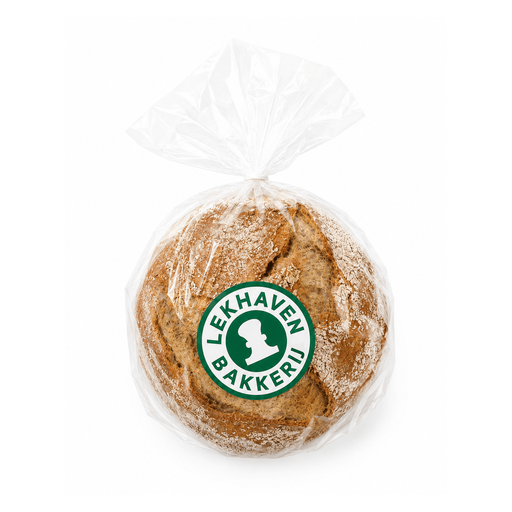 Image unavailable
Lekhaven Bakkerij Multigrain Country Bread Round 550 g
This 550 g round multigrain loaf is an option if you’re looking for bread with seeds. Check the packaging to see whether the ingredients match the wholemeal base you want, and also look at the allergens and preparation instructions.
View at Joybuy
 Image unavailable
TastyBasics Rye Bread 9 pcs
This pack of 9 rye breads is another option if seeds aren’t your main consideration. Check the current ingredients and nutritional information per 100 g; if you have allergies, also read the full allergen information.
View at Joybuy
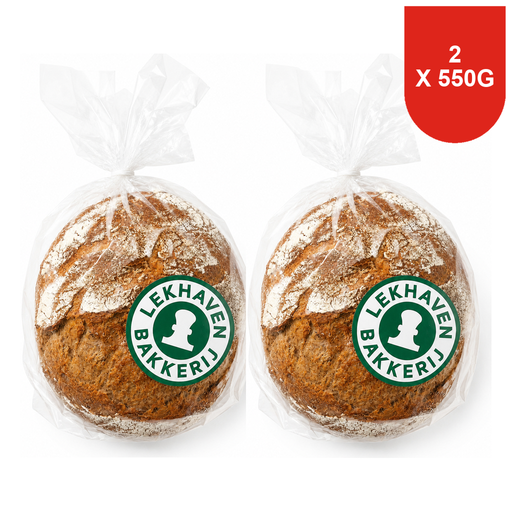 Image unavailable
Lekhaven Bakkerij Whole Wheat Country Round Bread 550 g x 2
This pack of two 550 g round loaves could suit a family planning its bread for several days. Check the ingredients if seeds matter to you, and follow the preparation and storage instructions on the packaging.
View at Joybuy
Frequently asked questions
Is dark bread or multigrain bread automatically wholemeal?
No. The colour and visible seeds don’t prove that wholemeal flour is the base, and neither does the name ‘multigrain’. Check the ingredients list for the bread you want to buy.
How should I store wholemeal bread if I buy several loaves?
If possible, freeze in portions any bread you won’t eat within a few days. According to the Netherlands Nutrition Centre, opened wholemeal bread can be kept in a kitchen cupboard for 2–4 days or in the freezer for 1–3 months. Also follow the instructions on the specific packaging.
What should I check when buying seeded bread if someone has a food allergy?
Read the current allergen information for the exact variety you’ve chosen, including any warnings about possible traces of allergens. Relevant ingredients and allergens vary between loaves; wholemeal bread without visible seeds isn’t automatically allergen-free.
Does every loaf contain iodised baker’s salt?
Don’t assume that it does. The Netherlands Food and Consumer Product Safety Authority describes the use of iodised baker’s salt in bread, but that doesn’t confirm the ingredients of any individual loaf. If baker’s salt matters to your choice, check the ingredients of the variety you’re buying.


