
Buyer planning the standard lunch
Looking for seeded bread with a firm texture that can be served as a regular sandwich. Compare the ingredients and fibre per 100 g, and check the allergens on the current packaging.


For a standard canteen lunch, wholemeal multigrain bread with seeds is a good choice if you want a substantial sandwich and a fibre content you can check. Check the ingredients and allergens for each product, and only add a separate gluten-free option if there’s a specific need. For unpackaged bread, allergen information must be available before purchase, according to the Netherlands Food and Consumer Product Safety Authority.
Looking for seeded bread with a firm texture that can be served as a regular sandwich. Compare the ingredients and fibre per 100 g, and check the allergens on the current packaging.
Needs reliable allergen information for each bread served. The Netherlands Food and Consumer Product Safety Authority says consumers must be able to get this information before purchasing unpackaged products.
Looking for a separate seeded option alongside regular bread. Check for other allergens too: Jumbo’s Lekker Vrij van Gluten Meerzaden Brood contains soya and may contain almonds, eggs and milk.
First decide which bread will be the base for a standard lunch. Then consider the serving format, allergen information and whether you need a separate gluten-free option.
| What to consider | What to check before buying | Who does this matter to? |
|---|---|---|
| Wholemeal and fibre | Check the ingredients for wholemeal flour and compare fibre per 100 g. According to the Netherlands Nutrition Centre, the term ‘multigrain’ alone says nothing about the proportion of wholemeal flour. | If I’m choosing one bread for a standard lunch, I want to know whether it fits the wholemeal base I’m looking for. Around 36% of consumers would make wholemeal content and fibre their main consideration. |
| Portions and texture | Choose between a whole loaf to slice yourself and individual rolls or bake-off portions. For bake-off products, check the preparation instructions too. | During a busy lunch service, I want to be able to set out portions without having to divide up a whole loaf on the spot. For around 29% of consumers, ease of serving, along with the texture of the seeds, would come first. |
| Allergen information | Have current ingredient and allergen information for each product available before guests make their choice. According to the Netherlands Food and Consumer Product Safety Authority, this information must also be provided for unpackaged products. | When bread is served loose, I want to be able to tell guests which allergens it contains. Allergen information would be the main requirement for around 21% of consumers. |
| Gluten-free option | Check the gluten-free label, other allergens and how the product will be stored and served. | If there’s a specific gluten-free requirement, I want to be able to offer a separate bread option. For around 14% of consumers, this need would outweigh the serving format or fibre comparison. |
According to the Netherlands Nutrition Centre, multigrain bread contains at least three types of grain. The name doesn’t tell you how much wholemeal flour the bread contains.
Check the ingredients and compare fibre per 100 g before choosing a bread as your regular lunch staple.
Jumbo’s Rond Korn Volkoren contains, among other things, gluten-containing grains, soya and sesame. For unpackaged bread, allergen information must be available before purchase, according to the Netherlands Food and Consumer Product Safety Authority.
Use current product information when serving, and check the allergens for each bread separately.
Jumbo states that its Lekker Vrij van Gluten Meerzaden Brood contains soya and may contain almonds, eggs and milk.
Check the current packaging, and organise storage and serving of the separate option to suit the need it is intended for.
If lunch numbers vary, a large loaf may be less practical than individual portions. How long bread keeps also depends on the product and how it’s stored.
Choose a format to match the expected number of portions, and follow the storage instructions on the packaging. The Netherlands Nutrition Centre recommends keeping opened wholemeal bread for 2–4 days in a kitchen cupboard or 1–3 months in the freezer.
Compare specific loaves rather than choosing on brand name alone: wholemeal flour, nutritional value, format and allergens can vary from product to product.
AH Zaans meergranen heel is a whole loaf for a lunch of sliced sandwiches.
The products described include a regular wholemeal multigrain bread with seeds and a separate gluten-free multiseed bread.
Lidl describes multigrain rolls and a rustic multigrain sourdough loaf with seeds and kernels.
ALDI describes, among other products, a premium multigrain artisan loaf for sliced sandwiches.
The products described include a multigrain triangle roll and a brown multiseed baguette.
Dirk describes both a whole multigrain artisan loaf and multigrain rolls with seeds and kernels.
These multigrain breads suit a canteen lunch featuring individual baguettes or a round loaf to slice yourself. They are not confirmed as wholemeal or gluten-free options, so check the packaging if you need either of those. Allow time for defrosting and baking when planning lunch.
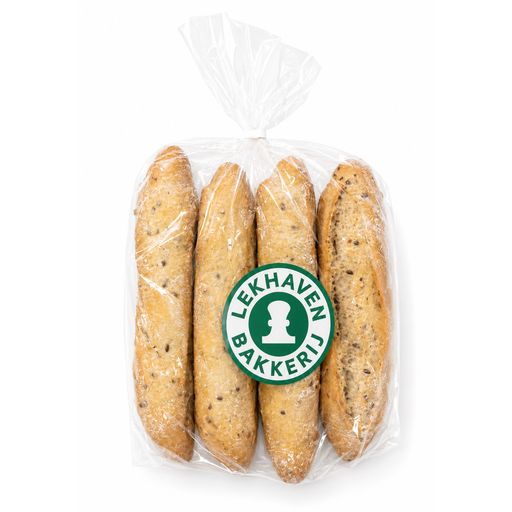 Image unavailable
The four individual baguettes are a good fit for a lunch where you want to plan portions in advance.
Defrosting and baking require preparation. Check the current packaging to see whether the bread meets your requirements for wholemeal flour and allergens.
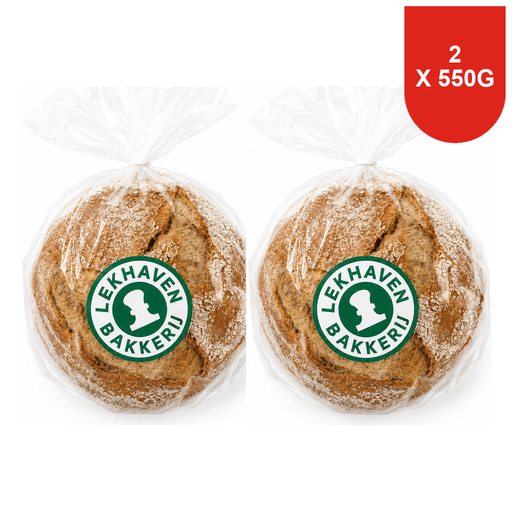 Image unavailable
The pack of two round loaves suits a lunch where you want to slice the sandwiches yourself.
Allow time for defrosting, baking and slicing. Check the wholemeal flour and allergens on the current packaging before using this as your regular lunch staple.
 Image unavailable
This single round loaf suits a lunch where you decide how many sandwiches to make.
Defrosting, baking and slicing are all part of the preparation. If you serve the bread unpackaged, check the current ingredients and allergens.
No. According to the Netherlands Nutrition Centre, multigrain bread contains at least three different types of grain. Check the ingredients to see how much wholemeal flour it contains, and compare fibre per 100 g if that matters for your lunch choice.
Yes. According to the Netherlands Food and Consumer Product Safety Authority, allergen information for unpackaged food must be available before purchase in the Netherlands. It can be provided in writing or verbally, as long as guests are clearly told that they can ask for it.
No. A gluten-free label doesn’t tell you anything about other allergens. Jumbo states that Lekker Vrij van Gluten Meerzaden Brood contains soya and may contain almonds, eggs and milk; check the current packaging for the bread you choose.
The Netherlands Nutrition Centre recommends keeping opened wholemeal bread for 2–4 days in a kitchen cupboard or 1–3 months in the freezer. Also follow the storage instructions for the specific product, and don’t serve mouldy bread.
You can’t tell from the name ‘seeded bread’. If iodine from iodised salt or baker’s salt is relevant to your purchasing decision, check the current ingredients of the bread you choose.