
If wholemeal and fibre matter to you
You’re looking for bread to enjoy with savoury toppings and want to know first whether its grain base is wholemeal. Seeds and kernels are then a secondary consideration, not proof that the bread is wholemeal.


Start by thinking about what you want from your breakfast bread: check the grain base if you’re looking for wholemeal bread, or look at the seeds and kernels used if texture is your priority. According to the Netherlands Nutrition Centre, wholemeal bread in particular is high in fibre; the name ‘multiseed’ alone doesn’t mean a loaf is wholemeal. So compare the nutritional information and allergens of the bread you’re thinking of buying, too.
You’re looking for bread to enjoy with savoury toppings and want to know first whether its grain base is wholemeal. Seeds and kernels are then a secondary consideration, not proof that the bread is wholemeal.
You enjoy choosing bread with visible seeds or kernels for its texture. The ingredients list shows which varieties have been used and what the grain base is made from.
You’re considering seeded bread with a different nutritional profile from regular bread. Compare carbohydrates on the same basis and read the allergen information before making your choice.
First, decide what matters most for your savoury breakfast: the grain base, texture, ingredients or nutritional profile. Then compare loaves on the same basis, preferably per 100 g.
| What to consider | What to check | Who it matters to |
|---|---|---|
| Wholemeal base and fibre | Check the grain base in the ingredients list and compare fibre per 100 g. | For my regular breakfast, I want to know first whether the bread is wholemeal; kernels on the crust don’t tell me that. For around 33% of consumers, a wholemeal base comes first. |
| Seeds and texture | Check which seeds and kernels are listed in the ingredients and choose a loaf shape that suits your breakfast. | With savoury toppings, I’m mainly looking for a slice with a firm bite. For around 27% of consumers, texture is the main reason for choosing seeded bread. |
| Ingredients and allergens | For packaged bread, read the allergen information; for unpackaged bread, ask what information is available before buying. | If I need to avoid certain ingredients, a suitable composition matters more than flavour or texture. For around 20% of consumers, checking this comes first. |
| Carbohydrates and protein | Compare carbohydrates, protein and fibre per 100 g, and also consider how much you eat in a portion. | I’m looking for bread that suits my preference for a different balance of carbohydrates and protein. For around 20% of consumers, nutritional composition matters most. |
Seeded bread can contain wholemeal flour, white flour or a combination of the two. For example, PLUS lists both wholemeal flour and wheat flour in its PLUS Korenlanders Licht Meerzadenbrood.
If you want wholemeal bread, check the product description and ingredients before comparing the fibre content per 100 g.
Ingredients that aren’t visible can also be relevant. According to Jumbo, the Jumbo bread option reviewed contains, among other things, gluten-containing cereals, sesame and soya.
Read the allergen information on the packaging. For unpackaged bread, ask what allergen information is available before buying.
According to the Netherlands Nutrition Centre, baker’s salt contains iodine, but using it in bread isn’t compulsory. The type of bread or a seed topping won’t tell you whether it has been used.
If you want to know whether a loaf was made with baker’s salt, check the ingredients or ask the baker.
A loaf that stands out for its carbohydrate content may also differ from the bread you’re comparing it with in terms of fibre, salt, ingredients and allergens.
Check the full nutritional information on the same basis, such as per 100 g, and also consider what constitutes a portion for you.
These examples from shops show the product information you can compare; always check the current packaging of the bread you buy.
The TastyBasics bread with kernels and seeds product page reviewed lists ingredients, nutritional values and allergens.
The Jumbo Rond Korn Volkoren reviewed is a wholemeal multigrain bread with seeds and kernels.
Lidl offers, among other things, an oat and spelt loaf with seeds and kernels.
According to ALDI, the luxury sunflower hearth loaf reviewed contains sunflower seeds and linseed.
For its Korenlanders Licht Meerzaden, PLUS lists both the seeds and information about the grains used.
Dirk offers a bâtard loaf with seeds and kernels.
These options include a linseed loaf and two varieties of round multigrain bread. Choose the type of bread you want, and check the current ingredients, allergens and nutritional information for your breakfast.
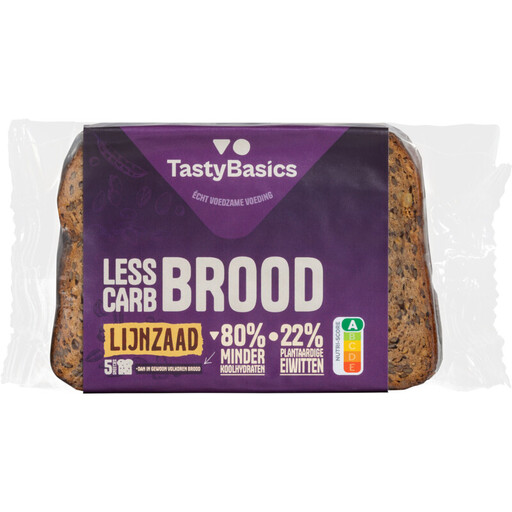 Image unavailable
For anyone considering linseed bread for a savoury breakfast. Compare the carbohydrates and fibre per 100 g on the packaging, and check the allergens if you need to avoid any ingredients.
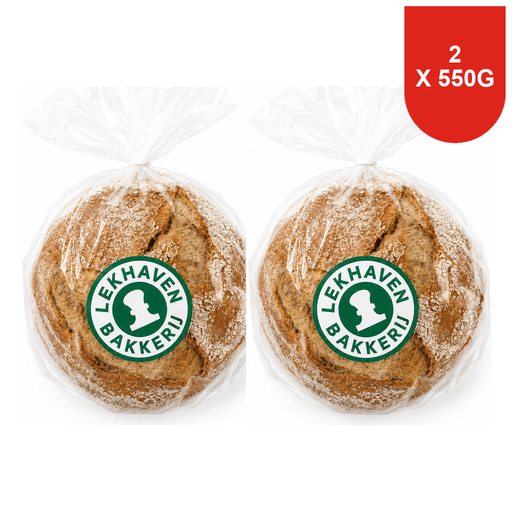 Image unavailable
For anyone looking for two round multigrain loaves for breakfast. Check which grains and seeds have been used and compare the nutritional information per 100 g; also check the preparation instructions on the packaging.
 Image unavailable
For anyone who wants a round multigrain loaf to enjoy with savoury toppings. Check the grain base and allergens on the packaging, and see whether the nutritional values are given per 100 g or per portion.
No. Seeds and kernels don’t tell you whether the grain base is made from wholemeal flour, white flour or a combination of the two. Check the product description and ingredients if you specifically want wholemeal bread.
Compare the fibre per 100 g so you’re using the same amount of bread as your basis. Then consider how much you eat in a portion; the amount of visible seeds isn’t a substitute for the nutritional information.
Ask before buying if the information isn’t immediately visible. The Netherlands Food and Consumer Product Safety Authority says that information about relevant allergens must be available for unpackaged foods; don’t rely only on the name or the visible kernels.
No. According to the Netherlands Nutrition Centre, baker’s salt contains iodine, but bread doesn’t have to be made with baker’s salt. For packaged bread, check the ingredients list; for unpackaged bread, ask which type of salt has been used.