
Pupils who want to take a seed-topped bar with them
An individually wrapped bar is handy if you want to take breakfast cake without having to cut it up, and you like the texture of grains and seeds. Also check how many grams each bar weighs.


Choose seed-topped breakfast cake for a school bag if the ingredients, portion size and allergen information suit the pupil and the school’s rules. Compare fibre and sugars on the label rather than relying only on the seeds or a claim on the front of the pack. Take a slice or bar along as an addition to lunch, not as a replacement.
An individually wrapped bar is handy if you want to take breakfast cake without having to cut it up, and you like the texture of grains and seeds. Also check how many grams each bar weighs.
Compare fibre and sugars per 100 g and per portion. This shows what a pupil actually takes with them; a claim such as ‘wholegrain’ or ‘no added sugars’ doesn’t tell you the whole story.
If a pupil has specific food allergies or dietary requirements, the current ingredients and allergen information are crucial. Also check what rules the school has for food brought from home.
If your choice is limited by ingredients or allergens, start there. Then compare the nutritional values and the portion that will actually go into the school bag.
| What to consider | What to check when buying | Who it matters to |
|---|---|---|
| Seeds and fibre | Look for seeds in the ingredients list and compare fibre per 100 g and per portion. | I want the texture of seeds, and I look beyond the front of the pack to check the fibre content. For around 40% of consumers, seeds and fibre are the most important factors. |
| Portion size and packing | Check the number of pieces, the weight of each one and whether the cake is individually wrapped. | When I’m getting food ready for the school bag, I don’t want to have to cut a large cake into slices first. Around 30% of consumers give this portioning convenience top priority. |
| Allergens and school rules | Read the current allergen information on the pack and, if needed, check the school’s rules. | If there’s a specific allergy or school rule, I need to know whether this cake is suitable before packing it. For around 30% of consumers, this check comes first. |
Seeds and fibre don’t make a breakfast cake bar a complete lunch with all the recommended components. The Netherlands Nutrition Centre includes wholegrain foods, vegetables and fruit among its recommendations for school meals.
If you like, pack breakfast cake as an extra and put the rest of the lunch together separately.
Peijnenburg lists 7.6 g of sugars per 100 g for the Tussendoor+ fruit bar reviewed, despite the ‘no added sugars’ claim.
Check both the ‘of which sugars’ line and the portion size on the current pack before comparing different products.
The Peijnenburg bar reviewed contains rye and oats, and its packaging states that it may also contain milk, hazelnuts, almonds and other cereals containing gluten. Product information can change.
Check the physical packaging before packing the bar, and take the individual allergy and school rules into account.
The Peijnenburg variety reviewed contains xylitol. Peijnenburg warns that excessive consumption may have a laxative effect.
Check the portion size and the warning on the pack; don’t use the fibre claim as a reason to increase the amount.
Not every breakfast cake mentioned contains seeds. Use the specific product variety as the basis for comparison, not just the brand name.
The Tussendoor+ fruit bar is an individually wrapped breakfast cake bar made with grains and sunflower seeds.
Jumbo Wholegrain Breakfast Cake is an option to compare if seeds aren’t essential.
Albert Heijn provides product information for the Peijnenburg Tussendoor+ grains, seeds & fruit pack.
Lidl lists an Ontbijtkoek zero; this is a different product variety from a bar that specifically lists seeds.
PLUS provides information about Peijnenburg Ontbijtkoekrepen Original, which is a different variety from Tussendoor+ fruit.
This individually wrapped breakfast cake is an option to have alongside a school lunch. If you specifically want a bar with seeds, compare the ingredients of the variety you choose before packing it.
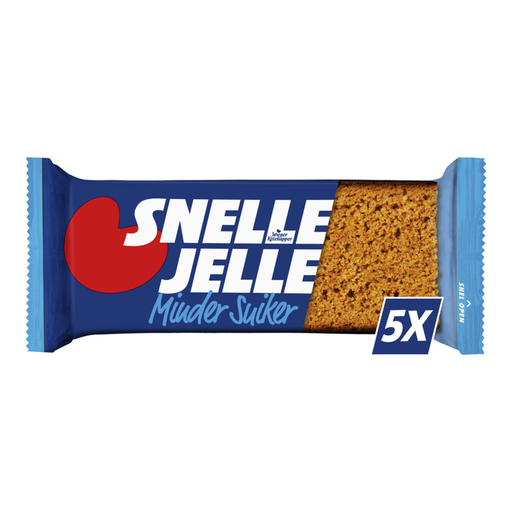 Image unavailable
If you want to take pre-portioned breakfast cake as an addition to lunch, the product description lists five individually wrapped 50 g bars. Check the current packaging for rye and cereals containing gluten, as well as the possibility of milk and nuts being present. Also compare the nutritional values per 100 g and per bar before choosing this variety.
No, it’s better to take seed-topped breakfast cake as an addition. The Netherlands Nutrition Centre includes wholegrain foods, vegetables and fruit among its recommendations for school meals; a bar doesn’t automatically replace these.
No, the bar reviewed contains rye and oats and states that other cereals containing gluten may also be present. If you need a gluten-free option, always check the current packaging of the specific product.
Yes, check with your child’s school what rules apply if allergies or its food policy affect what a pupil can bring. The Netherlands Nutrition Centre recommends checking the school’s food policy.
No. Peijnenburg lists 7.6 g of sugars per 100 g for the Tussendoor+ fruit bar reviewed, despite the ‘no added sugars’ claim. So check the ‘of which sugars’ line in the nutrition table too.
No, don’t assume this is the case for every breakfast cake. The Netherlands Nutrition Centre describes bread as an important source of iodine, but that doesn’t tell you which ingredients are used in a specific breakfast cake. Check the product information if this matters to your choice.