
Seed detail photographer
Wants to capture fine textures, seams or individual seeds at a large size. Focus on the magnification offered by the specific lens. Canon, Nikon and Sony publish magnification figures for specific macro lenses.


For quick close-ups without a separate lens, a compact camera with a documented macro mode is a sensible choice. For very small details, a mirrorless camera with a suitable macro lens offers greater magnification. First decide how large you want the seed pod to appear in the frame, then check the lens, the space available for lighting and the exposure controls. A camera body or kit zoom alone does not guarantee macro results.
Wants to capture fine textures, seams or individual seeds at a large size. Focus on the magnification offered by the specific lens. Canon, Nikon and Sony publish magnification figures for specific macro lenses.
Takes photos of multiple seed pods in similar conditions and wants to be able to repeat the lighting, colour and focus. Canon’s guidance on exposure and depth of field can help you assess these settings.
Wants to photograph a whole seed pod or a close-up quickly, and is weighing up a built-in macro mode against the versatility of a mirrorless camera. The space between the lens, subject and lighting also matters.
Start with the composition you want: are you mainly looking to show the whole seed pod, or individual seeds and fine details? Then check that the lens and your shooting space are suited to your choice.
| What to consider | What to look for when buying | Who is this important for? |
|---|---|---|
| Magnification for fine details | Compare the maximum magnification of the specific lens and check whether it can achieve the composition you want. | If you want to show small structures or individual seeds at a large size, the lens’s capabilities are what matter most. Around 33% of consumers put magnification at the top of their list when buying. |
| Repeatable images against white | Check the exposure controls and whether you can position the camera, subject and lighting steadily. | If you want to photograph a series of seed pods in similar conditions, look for control over the shooting settings. Around 27% of consumers prioritise consistency. |
| Taking close-ups quickly | Check the built-in close-up mode and test whether your setup leaves enough room for lighting. | If you want to capture a seed pod or a detail quickly without changing lenses, a built-in macro mode may suit you well. Around 20% of consumers put ease of use first. |
| Complete set-up | Check which lens comes with the kit and whether you need a separate macro lens to achieve the composition you want. | If you want to know in advance which components you need, look at the complete camera body and lens combination. This is the main buying concern for around 20% of consumers. |
A kit zoom does not automatically offer the same magnification as a separate macro lens. The Canon and Nikon kits covered here do not include the separate macro lenses mentioned.
Check exactly what the kit includes and decide on the composition you want before choosing an extra lens.
When you photograph a seed pod from very close up, the camera or lens may take up the space needed for lighting and cast shadows on the subject or background.
Try out the intended magnification with a similar seed pod and check for shadows before choosing accessories.
Canon explains that automatic exposure metering can make a predominantly bright scene appear too dark.
Review a test shot and adjust the exposure if needed. At the same time, check that the lighter details in the seed pod remain visible.
The Tough TG-7 is an option for close-ups with a compact camera, without a separate macro lens.
The EOS R50 can be paired with various RF lenses, but magnification varies from one lens to another.
The Z50II can be paired with a separately selected NIKKOR Z MC 50mm f/2.8 for small details.
The α6400 E-mount body can be paired with the separate FE 90 mm F2.8 Macro G OSS lens.
Joybuy product options for this topic.
 No image available
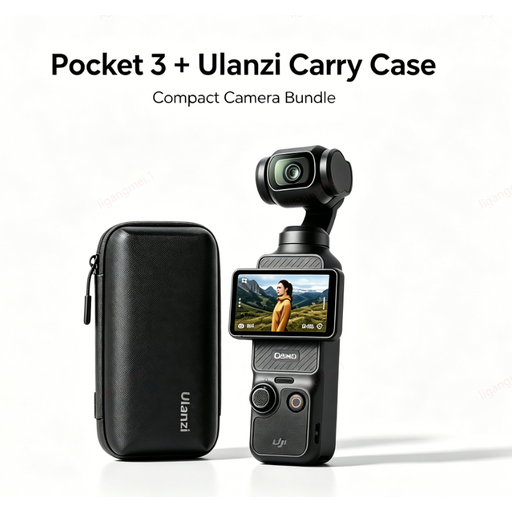
The product title describes a DJI Pocket 3 camera with a Ulanzi storage case. Check whether the camera is suitable for the macro magnification you need and for controlling exposure against your white background.
No, not if a lens with lower magnification can show the whole seed pod at the size you want. For very small details, compare the maximum magnification of the specific lens: Canon, for example, states 0.25× for the RF-S zoom in the MF mode described and 0.5× for the RF 35mm macro lens.
Take a test shot and assess both the subject and the background. Canon explains that exposure metering can make a predominantly bright scene appear too dark. Adjust the exposure if needed, and make sure the lighter details in the seed pod remain visible.
Keep the camera and subject steady, and check carefully where the focus falls. Canon explains that a smaller aperture increases depth of field, but lets in less light. At high magnification, taking a series of photos with different focus points can help, if your camera and image-processing software support it.
For online purchases from a business, the Dutch government says you will often have a 14-day cooling-off period. Check the terms that apply to your purchase. You also have statutory rights if a product is faulty. The Dutch government states that there is no fixed statutory guarantee period in the Netherlands.