
Breakfast lovers looking for seeds and fibre
You want to see seeds and wholemeal flour in the ingredients list. When comparing crackers and rusks, check the fibre and salt per 100 g, then consider the portion you eat.


Choose a seed cracker or multiseed rusk if the seeds and texture of the base matter to you. Compare wholemeal flour, fibre and salt on the label rather than relying on the product name alone. Traditional Melba toast makes a thin, neutral base for toppings, but the Van der Meulen Naturel product we looked at contains no seeds. Check the allergen information on the packaging for every variant.
You want to see seeds and wholemeal flour in the ingredients list. When comparing crackers and rusks, check the fibre and salt per 100 g, then consider the portion you eat.
You’re looking for a thin, neutral and crisp base for sweet or savoury toppings. The Van der Meulen Melba Toast Naturel we looked at has that format, but doesn’t contain seeds as an ingredient.
If you need to avoid certain ingredients for yourself or someone else, check the exact variant. Sesame, cereals containing gluten and any warnings about other allergens vary by product, so read the current packaging.
Choose this: if you want the seeds and the crisp cracker itself to play a clear role in your breakfast.
Keep in mind: wholemeal flour, fibre and salt vary by product. Albert Heijn lists 16 g of fibre and 1.83 g of salt per 100 g for its Dunne crackers zaden en pitten.
Choose this: if you’re looking for a seed-rich base for toppings.
Keep in mind: multiseed doesn’t necessarily mean wholemeal. For its Ontbijtcrackers Meerzaden, Bolletje lists both 49% wholemeal wheat flour and 23% wheat flour.
Choose this: if you mainly want a thin, neutral base for toppings.
Keep in mind: Van der Meulen Melba Toast Naturel contains no seeds as an ingredient. If you’re looking for seeds, choose a different variant or type of product.
First decide whether you want seeds in the base itself or simply a surface that leaves room for toppings. Then compare products of the same type by their ingredients, nutritional information and allergens.
| What to consider | What to check before buying | Who it matters to |
|---|---|---|
| Seeds, flour and fibre | Check which seeds and types of flour are listed in the ingredients; compare fibre per 100 g. | If I want seeds in the cracker itself, I also want to know which types of flour have been used and how much fibre the product contains. For around 40% of consumers, this combination comes first. |
| Allergens | Check the allergen information and any warnings on the current packaging. | If I need to avoid ingredients for myself or someone else, the exact variant must be suitable. For around 30% of consumers, checking this is the top priority. |
| Base for toppings | Compare the product formats: thin Melba toast, a cracker or a seed rusk. | For a breakfast where the toppings take centre stage, I’d rather have a thin, neutral base than a strongly flavoured seed cracker. This is the main priority for around 30% of consumers. |
Seeds don’t tell you which types of flour have been used. Alongside wholemeal wheat flour, Bolletje lists wheat flour in its Ontbijtcrackers Meerzaden.
If wholemeal flour is a must-have, check both the product description and the ingredients list.
For AH Dunne crackers zaden en pitten, Albert Heijn lists 16 g of fibre and 1.83 g of salt per 100 g. One nutritional value doesn’t tell you everything about a product.
Compare fibre and salt on the same basis, such as per 100 g, and consider the portion you eat too.
A name such as breakfast cracker or toast doesn’t tell you which allergens the exact variant contains. The products we looked at include sesame and cereals containing gluten.
Before buying, read the current ingredients list, allergen information and any warnings on the packaging.
The Van der Meulen Melba Toast Naturel we looked at is a thin base for toppings, but doesn’t contain seeds as an ingredient.
Choose the product format based on what you want from breakfast: a neutral toast base, or seeds in the cracker or rusk itself.
Bolletje’s Ontbijtcrackers Meerzaden are an example of breakfast crackers containing linseed, sesame, sunflower seeds and pumpkin seeds.
AH Dunne crackers zaden en pitten are an example of thin crackers made with wholemeal wheat flour, linseed, sesame and sunflower seeds.
Jumbo Crackers Meergranen & Zaden are an example of crackers containing ingredients such as wholemeal wheat flour, linseed and sesame seeds.
Van der Meulen Melba Toast Naturel is an example of traditional, thin toast for toppings.
These rusks and crackers are options to consider for a Sunday breakfast with seeds or a crisp base for toppings. For each product, check whether the ingredients, nutritional information and allergens meet your needs.
 Image unavailable
For anyone looking for seeds in their rusk base. If wholemeal flour matters to you, check the ingredients list and read the allergen information on the packaging.
 Image unavailable
If you’re comparing crackers by fibre content, check the nutritional information per 100 g. Also check which seeds and allergens are listed on the packaging; the product name alone won’t answer those questions.
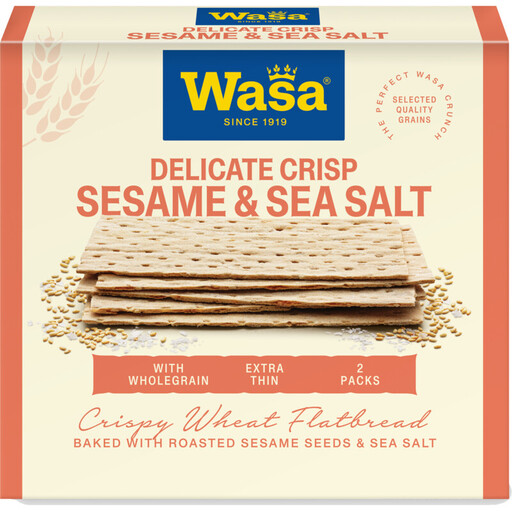 Image unavailable
A thin cracker to consider if you want to pair sesame with toppings. To compare fibre and salt, check the values per 100 g on the current packaging and check the allergens too.
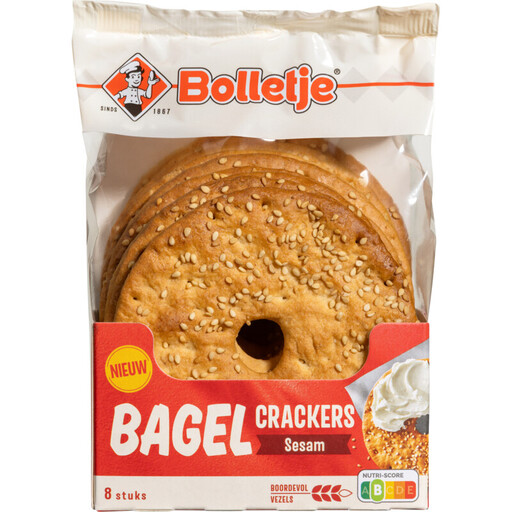 Image unavailable
For anyone considering a sesame cracker as a base for toppings. Before comparing fibre and salt, check the units in the nutrition table, and read the allergen information too.
 Image unavailable
If you’re considering a soda cracker for breakfast, check that its flavour and ingredients go with your toppings. Check the current packaging for seeds, fibre content and allergens.
No. Seeds in or on a product don’t mean that all the flour used is wholemeal. Check both the product description and the types of flour in the ingredients list; Bolletje also lists wheat flour in its Ontbijtcrackers Meerzaden.
Read the allergen information on the current packaging for the exact variant. Look out for sesame and cereals containing gluten, among other things, and check for any warnings about other allergens. The Netherlands Food and Consumer Product Safety Authority explains which allergens must be listed on prepacked foods.
No. According to the Netherlands Nutrition Centre, bakers aren’t required to use baker’s salt. If the type of salt used matters to you, check the ingredients list for the specific product.
Follow the storage instructions on the product packaging. Jumbo recommends storing its Crackers Meergranen & Zaden in a cool, dry, dark place. Check the packaging for your product to see how to seal it after opening.