
Vandaag of morgen in huis

Kwaliteit gegarandeerd

Welkomstaanbiedingen ontgrendelen: GRATIS bezorging | Tot 80% korting | Gratis 30 dagen JoyPlus-proefperiode
Download de app
Peace of mind about your home's security is priceless. Whether you want to see who's at the door, keep an eye on the kids or pets, or secure your property while you're away, a security camera is the answer. However, the market is vast, and the specifications can be overwhelming.
As a Joybuy Product Recommendation Officer, my job is to help you make an informed decision. In this article, we'll discuss the key considerations and highlight some popular choices for 2026, so you can find a camera that fits your situation and needs.
Before you make a choice, it's helpful to consider a few key questions. This will help you filter for the features that are truly important to you.
The camera's location is the first and most important decision. An outdoor security camera must be weather-resistant. Pay attention to the IP rating. For example, a camera with an IP66 rating is dust-tight and can withstand powerful water jets, making it suitable for any climate. An indoor security camera doesn't need this level of protection and is often more compact and discreet. There are also special cameras designed to film through a window, which counteract reflections and glare.
How do you want to save the footage? A camera with recording typically offers two options:
Many modern cameras offer both options, giving you the freedom to choose.
Modern security cameras are often smart cameras with useful extras. Consider:
Based on specifications and common use cases, we've compiled a list of interesting options for you.
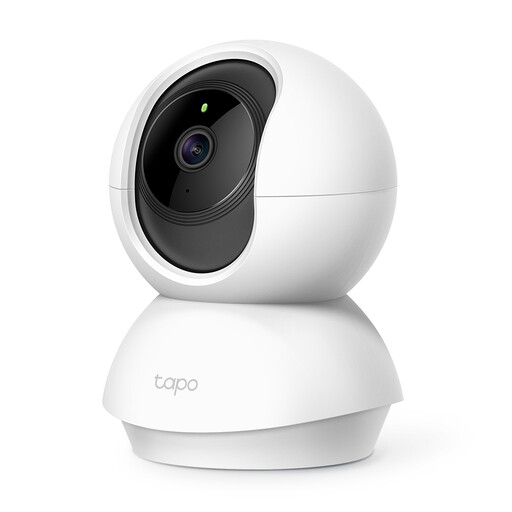
Why it stands out: This IP camera provides a complete overview of any room thanks to its 360-degree rotation feature. The crisp 3MP resolution ensures clear images, both day and night.
Pros:
Who is it for?: Ideal for those looking for an affordable and user-friendly indoor security camera to monitor a living room, nursery, or pets.
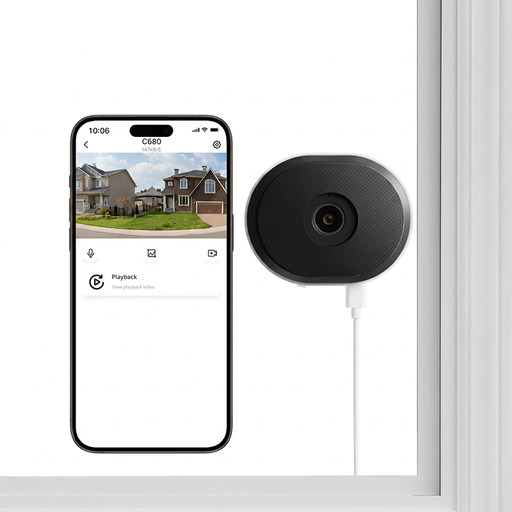
Why it stands out: The ZOSI C680 is specifically designed to film through glass without suffering from glare. This makes it a unique solution for apartments or rental homes where drilling is not permitted.
Pros:
Who is it for?: Perfect for renters and apartment dwellers who want to monitor their driveway, front yard, or balcony without mounting a camera outside.
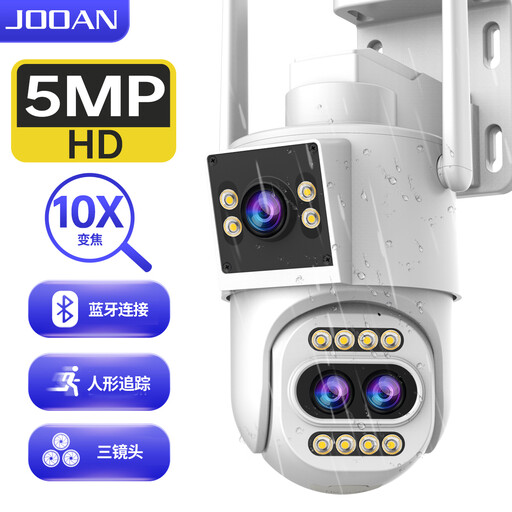
Why it stands out: This advanced outdoor security camera combines three lenses for unprecedented flexibility. With 10x optical zoom, you can capture distant details in sharp focus without quality loss.
Pros:
Who is it for?: For homeowners with a large property, such as a long driveway or a deep backyard, who need both a wide overview and the ability to zoom in from afar.
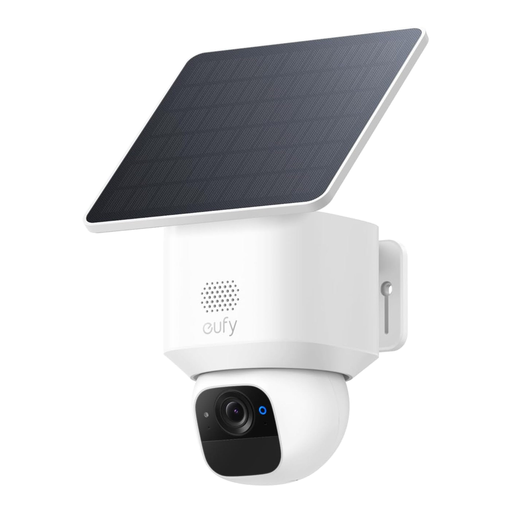
Why it stands out: This completely wireless security camera is continuously charged by its detachable solar panel. According to the manufacturer, eufy, just 2 hours of sunlight per day are sufficient. This, combined with local storage, means no wires and no subscription fees.
Pros:
Who is it for?: For anyone looking for a 'set it and forget it' solution for the outdoors. The wireless installation and solar power make it ideal for locations without a nearby power outlet.
View the eufy Security Solo Cam E30
The cameras mentioned above represent a selection of the possibilities. Are you specifically looking for a robust camera that can withstand rain, wind, and dust? There are many more models designed for outdoor use.
? See more weather-resistant outdoor security cameras here
Not always. Many cameras, including the models we've highlighted here, offer the option for local storage on a microSD card. This is a one-time purchase and avoids recurring monthly fees. With most brands, cloud storage is an optional, paid service for those who want extra backups.
A WiFi camera is a type of IP camera. The term 'IP' stands for 'Internet Protocol' and means the camera transmits images over a computer network (your home network). A WiFi camera does this wirelessly via WiFi. Some IP cameras can also be connected with a wired network cable (Ethernet) for a potentially more stable connection.
There are two main types of night vision. The most common is infrared (IR), where the camera uses invisible infrared light to create a clear black-and-white image in complete darkness. More advanced cameras have 'colour night vision'. These use highly sensitive sensors, sometimes assisted by a small white light, to distinguish colours even in low light.
