
Occasional book seller
Wants to take a clear photo of the cover and condition quickly, and first checks whether a phone they already own will do the job. Marktplaats recommends using daylight and making sure enough detail is visible.


Start with your existing smartphone if it can capture the cover, spine and any damage clearly and true to life in even lighting; you don’t automatically need a separate camera. If you’d prefer a dedicated device without having to change lenses, compare compact cameras by focusing distance and angle of view. A mirrorless camera is a better fit if you want to choose your lens and set-up deliberately; specifications alone won’t tell you how well it will photograph books.
Wants to take a clear photo of the cover and condition quickly, and first checks whether a phone they already own will do the job. Marktplaats recommends using daylight and making sure enough detail is visible.
Takes photos regularly at the same small table and wants to reproduce the framing and lighting. A consistent process may matter more than having extra lens options.
Wants to show wear or annotations clearly, as well as the whole book. So check the focusing distance and what the lens can do with the framing you need.
Choose this if: you first want to see whether your current device can capture the cover and any defects clearly.
Bear in mind: close-up focusing and fitting the whole cover in the frame depend on your device and the available camera height.
Choose this if: you want to use a dedicated device without changing lenses.
Bear in mind: the focusing distance you need can vary depending on the zoom setting. Also check whether your table set-up lets you get the framing you want.
Choose this if: you want to weigh up lens options and settings yourself for both overall shots and close-ups.
Bear in mind: a kit zoom lens isn’t automatically a macro lens; check the exact lens and how much space your set-up requires.
| What to consider | What should you check? | Who is this important to? |
|---|---|---|
| Fitting the whole book in the frame | Take a test shot of your largest book from the available camera height; check the angle of view and focusing distance at the zoom setting you’re using. | If there’s little space above my table, I want to frame the whole book without it going out of focus. Around 36% of consumers prioritise showing the whole book. |
| Colour and condition | Check a shot taken in daylight and make sure the cover and visible defects aren’t lost in shadow or glare. | I want to show the colour and signs of use accurately, so the photo supports my assessment of the book. Around 29% of consumers prioritise this. |
| A consistent process | See whether your current phone is up to the job; if you’re considering a separate camera, check the included lens and kit contents too. | If I photograph lots of books in the same place, I want an approach that’s easy to repeat. Around 21% of consumers prioritise convenience and consistency. |
| Minor damage | Compare focusing distance and magnification in the setting you’ll actually use; take a test shot of a small defect. | I want to capture a worn corner or annotation clearly on its own, not just show the whole book. Around 14% of consumers focus mainly on these details. |
A high megapixel count won’t automatically solve problems with lighting, framing or focus. The lens and shooting conditions also affect whether you get a usable photo of your book.
First, test the exposure and framing with your own table set-up. Then assess the camera and lens as a complete combination.
For the Sony ZV-1, Sony specifies focusing from approximately 5 cm at wide angle and approximately 30 cm at telephoto, measured from the front of the lens. So the minimum distance doesn’t automatically apply at every zoom setting.
Check the focusing distance and how much of the frame your subject fills at the framing you want for a close-up of damage.
For the Canon RF-S 18-45mm, the specified focusing distance and magnification vary by focal length and focusing mode. The EOS R50 body’s 24.2 MP rating alone won’t tell you whether a small detail will fill the frame.
Check exactly what’s included in the kit and, if possible, take a test shot of a similar small defect.
You may need a different lens or set-up to get the close-up framing you want.
The Sony ZV-1 is a fixed-lens compact camera worth considering if you’re looking for a dedicated device without interchangeable lenses.
The EOS R50 with RF-S 18-45mm is a mirrorless camera kit for anyone who wants to consider the lens options.
The Nikon Z 30 with NIKKOR Z DX 16-50mm VR is a mirrorless camera option for a small work area.
Explore these Joybuy cameras as options to compare against the features mentioned above. Before choosing, pay particular attention to focusing at the distance you need and, where possible, take a test shot of a book.
 No image available
The product title mentions a rotating lens and digital zoom; test whether they give you the framing you want from your usual table position.
The title also mentions Wi-Fi, a 1.72-inch touchscreen and a tripod.
 No image available
The title describes this model as a pocket gimbal camera; take a test shot of some stationary book details before choosing it for this purpose.
The product title mentions a 1-inch CMOS sensor, 2× lossless zoom, 4K/240fps and 107 GB of built-in storage.
 No image available
The stated optical zoom is a reason to test different framings; check the focus and how much of the frame your subject fills at each setting.
The product title also mentions Wi-Fi and 4K.
 No image available
The title mentions fast focusing, but take a test shot to check whether the camera can capture a small book detail clearly at the distance you need.
The product title mentions a 1-inch CMOS sensor, 3-axis stabilisation and 4K/120fps video.
 No image available
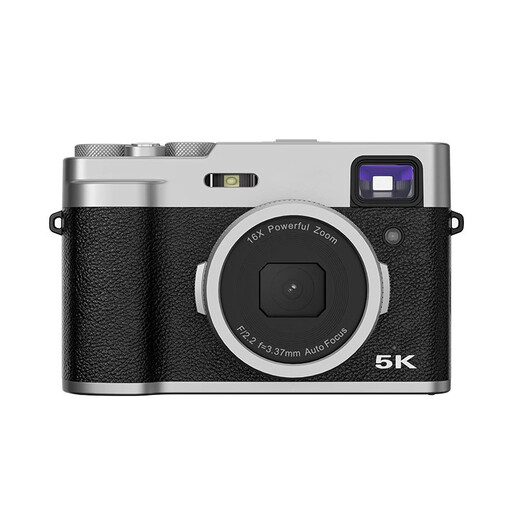
The title mentions autofocus; take a test shot to check whether it focuses at the distance from the book required by your table set-up.
The product title also mentions an optical viewfinder and a 2.8-inch LCD screen.
No. Start with the device you already have and take photos of the full cover and condition details using your own table set-up. Marktplaats recommends using daylight and a plain background, among other things. Only consider a different camera or set-up if your current device doesn’t give you the results you want.
Use daylight where possible and check the photo before you upload it. For motion blur, Marktplaats recommends using a stable surface or a tripod with the self-timer, and warns that flash can make colours look different.
Check which lens and accessories are actually included in the kit you’re considering. Also check whether the lens focuses at the distance you need and whether you’ll need a memory card, power supply or stable mount.
According to the Dutch government, when you buy from a business online you usually have 14 days to change your mind; this doesn’t automatically apply to purchases from a private seller. You also have statutory rights if a product is faulty, and the seller is your point of contact for resolving the issue. Consumer rules don’t automatically apply to business purchases.