
High-volume book sellers
You regularly photograph covers, spines and the condition of books. A fixed position and, if useful, checking your shots on a larger screen can help you use your setup consistently.


Start with a fixed camera position, even lighting and a repeatable background: a new camera won’t provide these automatically. A smartphone may be all you need if your test shots meet your requirements. Consider a dedicated camera if you need more control over framing, focus or your shooting workflow. Assess the exact lens at the distance you’ll be shooting from, so you can capture both a whole book and small signs of wear.
You regularly photograph covers, spines and the condition of books. A fixed position and, if useful, checking your shots on a larger screen can help you use your setup consistently.
You want to capture small text, wear or damage clearly, as well as the whole book. So assess the lens at the distance you’ll be taking photos from, not just the camera body.
You want to check whether your current phone and a fixed setup will do the job before buying a camera, lens and other equipment.
Start with what you want a camera to improve: consistent framing, legible details, even lighting or the overall cost.
Choose this option if: you want to test whether your phone can take the cover shots you need when used from a fixed position with consistent lighting.
Bear in mind: results depend on your phone and setup; check separately whether it captures small details sharply enough.
Choose this option if: you want a dedicated device without interchangeable lenses, and its fixed lens can frame the whole book and the details you need from your working distance.
Bear in mind: you won’t be able to change the lens later; a wide zoom range alone doesn’t tell you how well it will photograph your books.
Choose this option if: you want more control over the lens, framing or settings, and are prepared to assess the complete body-and-lens combination.
Bear in mind: a body without a suitable lens won’t solve your photography needs; also check the exact kit contents and whether it’s compatible with computer control.
| What matters | What to look for when buying | Who should pay particular attention? |
|---|---|---|
| Consistent framing | Check that you can place the camera or phone securely in the position you want and repeat that position. | If I photograph lots of books, I don’t want to have to frame every shot from scratch; around 33% of consumers prioritise a repeatable composition. |
| Legible details | Test whether the lens can capture both your desired framing and small details sharply from your working distance. | When I want to show wear or small text, a detail shot needs to make that information clear; around 27% of consumers prioritise legible spines and signs of wear. |
| Consistent lighting | Check whether you can keep the lighting and background consistent across a series of shots. | If I want to compare covers, I want to minimise differences in lighting; around 20% of consumers prioritise consistent colour and lighting. |
| Total cost | Compare the full kit contents, including the exact lens and any mount you need, with what you already own. | When I want to keep costs down, I first want to know whether my phone and setup will do the job; around 20% of consumers start by considering the total purchase cost. |
A different sensor won’t automatically keep your composition or lighting consistent. Adobe recommends a controlled environment with good lighting for product photography.
First, take comparable test shots from a fixed position, using the same background and lighting.
The lens partly determines what fits in the frame from your working distance. So check whether the stated lens is actually included with every offer.
Compare the full contents of the exact kit and test both a cover shot and the detail crop you need.
Nikon states that the Z50II kit doesn’t include a charger; bear this in mind when putting together your photography equipment.
The Canon EOS R50 kit with RF-S 18-45mm is a mirrorless camera with a standard zoom lens, which you can assess as a complete setup.
The Z50II kit with NIKKOR Z DX 16-50mm f/3.5-6.3 VR is another mirrorless camera with a zoom lens to consider.
The ZV-E10K is an APS-C mirrorless camera to consider if you also create other visual content alongside still photos of books.
Below are Joybuy cameras from various categories to consider for a fixed book-photography setup. Check that each model’s lens, mount and framing options suit the way you work.
 No image available
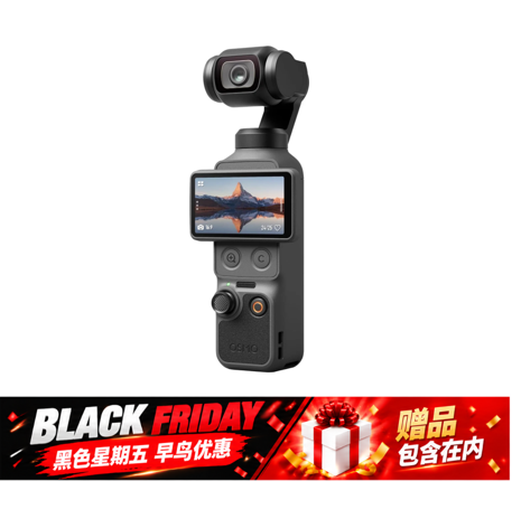
Check whether you can position this gimbal camera securely where you want it, and whether its framing suits your books.
The product name lists a 1″ CMOS sensor, 2× lossless zoom, 107 GB of built-in storage and a 2″ rotating screen.
Also listed: 4K/240fps recording and 3-axis stabilisation.
 No image available
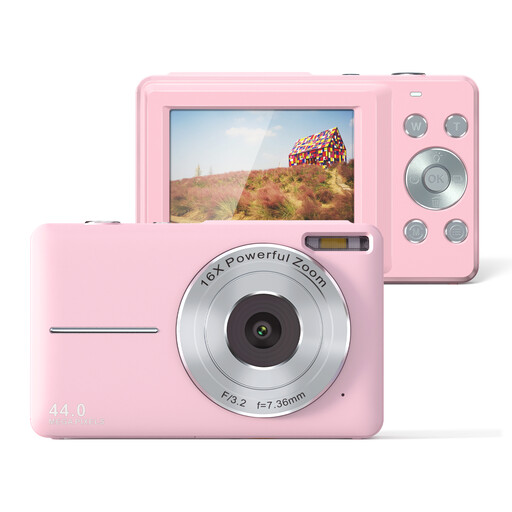
Take a test shot to see whether this camera captures the book framing and small details you need.
The product name lists 4K, 44 MP and 16× zoom; the product information mentions autofocus and digital zoom.
 No image available
Assess the camera and zoom lens together at the distance you’ll be photographing covers and details from.
The product information lists a 24.2 MP APS-C sensor, a 16-50mm lens and a vari-angle LCD screen.
 No image available
Test whether this body and lens capture both the whole book and the details you need from your working distance.
The product information lists a 24.2 MP APS-C sensor, a tilting screen and remote control via Wi-Fi and Bluetooth.
 No image available
Before choosing this body, check whether you already have a suitable lens for the distance and framing you need.
This is the body-only version; no lens is included. The product information lists compatibility with Sony E-mount lenses and a tilting screen.
Secure your camera or phone, and keep the book’s position, background and lighting the same. Take a test shot to check that both a large and a small book fit within your chosen frame.
No, you can take a separate close-up. Check that the lens can focus from the distance available; a full-cover photo won’t automatically show small areas of damage clearly.
Check the exact lens, the mount for your setup and the power accessories included. For example, Nikon states that the Z50II kit doesn’t include a charger. When buying from a private seller in the Netherlands, statutory guarantees apply according to what you could reasonably expect from the product; consumer rules don’t necessarily apply when the purchase is mainly for business use.
In principle, you can resell a physical book that you’ve legally acquired, as Auteursrecht.nl explains. This doesn’t automatically give you permission to reproduce protected cover artwork or pages online; the Dutch government points out that using copyright-protected material may require permission.
Not in every case. ACM ConsuWijzer explains that many online consumer purchases come with a cooling-off period of up to 14 days after delivery, subject to exceptions. Also check whether you’re buying as a consumer: consumer rules don’t necessarily apply when the purchase is mainly for business use.