
Vandaag of morgen in huis

Kwaliteit gegarandeerd

Welkomstaanbiedingen ontgrendelen: GRATIS bezorging | Tot 80% korting | Gratis 30 dagen JoyPlus-proefperiode
Download de app
Seaweed snacks come in many forms: thin, seasoned sheets for eating on the go, roasted nori for sushi and finely chopped seaweed for use as a topping. With such a wide range to choose from, finding the right product is not always easy. A packet may look large, while the contents consist of small portions. Terms such as “healthy”, “premium” or “authentic” also say little on their own about flavour, ingredients and how the product is intended to be used.
With this practical guide, you can focus on the factors that really matter to UK consumers: format, ingredients, portion size, salt content, packaging and intended use.
Do not just compare the number of sachets or sheets. Pay particular attention to the net weight and price per 100 grams. A multipack containing sachets of just a few grams is convenient for lunch or eating on the go, but may work out more expensive per gram than a larger bag or box of loose sheets.
For making sushi or preparing meals regularly, products containing 50 to 100 sheets are often more practical. For trying crispy seaweed for the first time, a small packet may be the more sensible choice, as the texture can deteriorate more quickly once opened.
Japanese nori and Korean seaweed snacks are intended for different uses. Sushi nori sheets are generally plain or lightly salted and designed to wrap rice and fillings. A roasted seaweed snack often contains oil, salt and additional seasonings.
So pay attention to the product description:
Always check the complete ingredients list and nutrition table. Oil, sesame, flavour enhancers and herbs can turn plain nori into a strongly flavoured snack. In a wasabi variety, for example, the heat may come from a seasoning blend rather than large quantities of real wasabi.
A product may be vegan based on the listed ingredients, but check the current packaging if you have allergies or specific dietary requirements. Information on a product page may change. The labelling on the packaging takes precedence.
For sushi, the size of the sheet matters. According to the product description, Miyamoto Roasted Seaweed contains sheets measuring 19 × 21 cm and includes 100 sheets. This provides plenty of room for maki, kimbap and creative wraps. Obento Yaki Nori contains 50 sheets in a 125-gram pack. Saitaku Nori consists of 5 sheets with a total weight of 14 grams, making it suitable for smaller households or occasional use.
Also check whether the sheets are whole or pre-cut in half. A half-cut variety can be useful for smaller sushi rolls, but may be less suitable if you want to make large wraps.
A simple roasted nori may consist almost entirely of seaweed. The Miyamoto variety is described as containing roasted seaweed as its only ingredient. According to the product information, Delief Roasted Seaweed Sushi Nori contains roasted laver seaweed and salt.
The ingredients are different in snack products. 7FRESH Original flavour nori contains dried nori, corn oil, sesame oil and salt. According to the product description, Taokaenoi Original consists of 85% Porphyra yezoensis and is seasoned with salt, white pepper and other ingredients. So if you are looking for a neutral base for sushi, you will have different priorities from someone who wants a salty, crunchy snack.
Compare the nutritional values per 100 grams, not just per sachet. Small portions can show low figures, even though the product contains relatively high levels of salt or fat per 100 grams. The stated values vary noticeably between varieties. Garimi Olive Oil Seaweed, for example, lists 700 mg of sodium per 100 grams, while Obento Yaki Nori lists 800 mg of sodium per 100 grams. Always check whether the table refers to sodium or salt, as these are not the same thing.
Also look out for allergens. Products containing sesame oil, sesame seeds or seasoning blends may contain sesame. Sempio Crispy Seaweed Snack Hot Chilli, for example, lists soya and sesame as allergens. Bibigo Sesame also lists sesame. If you have an allergy, check the current packaging, even if an older product description states something different.

Why it suits this profile: The 32-gram pack is a manageable size for anyone trying crispy seaweed for the first time who does not want to buy a large pack straight away.
The net weight is clearly stated. The flavour is Original, so you will not accidentally buy a strong wasabi or chilli variety.
Compact size, vegan according to the product information, with a crunchy, salted snack style.
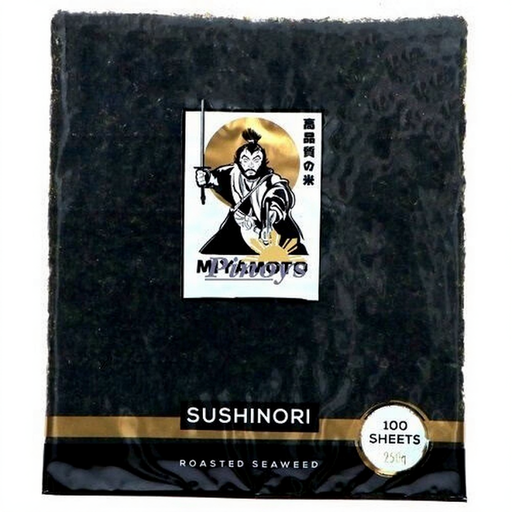
Why it suits this profile: If you are looking for neutral Japanese nori for sushi, kimbap and wraps, 100 sheets give you a generous supply for a range of recipes.
The intended use and dimensions are clearly stated: 19 × 21 cm, suitable for sushi, kimbap and wraps. You are therefore paying for a product with a clear culinary purpose.
100 sheets per pack and, according to the product information, 100% roasted seaweed, with none of the 14 main EU allergens listed.
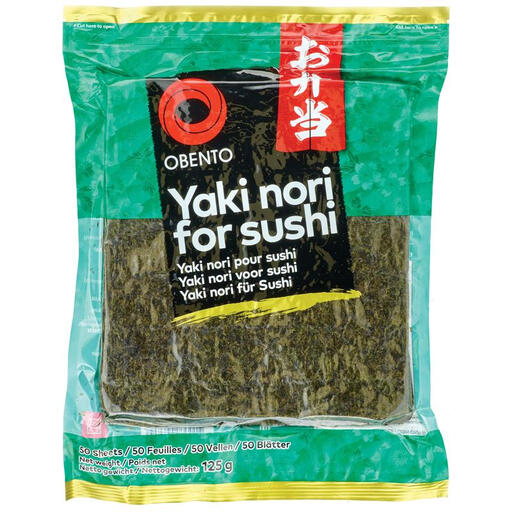
Why it suits this profile: The combination of 50 sheets and 125 grams is well suited to households that regularly make sushi, rice rolls or other Asian dishes.
Both the number of sheets and the total weight are stated. This makes it easier to compare the product with other larger packs rather than small snack sachets.
50 roasted sheets, suitable for sushi and snacks; according to the product description, free from artificial colourings, flavourings and preservatives.
We have compiled a complete, up-to-date list of products that fully meet these strict selection criteria and the applicable European safety regulations.
Seaweed quickly absorbs moisture from the air. As a result, a crispy seaweed snack can become soft, particularly in a humid kitchen. Store opened packs:
For sushi, only take the sheets out just before rolling. Warm, moist rice makes nori softer; this is normal, but rice that is too wet can cause the sheet to tear. For a seaweed topping, sprinkle finely chopped nori or flakes directly over rice, ramen, salad or soup.
Many varieties are marketed as vegan based on their ingredients, but this does not automatically apply to every product. Check whether the seasoning mix contains fish ingredients, dairy or other animal-derived ingredients. Product recipes can also change. Always read the current packaging.
Japanese nori is often sold as relatively plain sheets for sushi and other dishes. Korean seaweed snacks are usually thinly roasted and seasoned with oil, salt, sesame or other flavourings. The terms are not entirely strict, so focus mainly on the ingredients and the stated intended use.
This depends on the packaging and the amount of moisture that gets in. Seal the bag immediately after use and store it somewhere dry. Individually wrapped portions, such as multipacks with small sachets, generally retain their texture more reliably when you eat small amounts at a time. Also always check the best-before information on the packaging.
