
Vandaag of morgen in huis

Kwaliteit gegarandeerd

Welkomstaanbiedingen ontgrendelen: GRATIS bezorging | Tot 80% korting | Gratis 30 dagen JoyPlus-proefperiode
Download de app
Seaweed snacks are popular with fans of Korean, Japanese and Thai flavours. They are thin, crispy and often seasoned with salt, sesame oil, chilli or wasabi. However, the packaging can sometimes look more alike than the contents. For example, a small snack pack may contain only a few portions, while a large bag can go soft more quickly after opening.
If you want to buy a Korean seaweed snack, crispy seaweed snack or crispy seaweed chips, it is worth looking beyond the flavour shown on the front. Below, you will find the key points to check, along with product recommendations for different situations.
Seaweed weighs very little. This means a pack can look large while containing a relatively small net quantity. Always compare the net weight, number of sachets and price per 100 grams. A multipack of small portions is useful for lunchboxes, while a larger bag may be more practical if you also use the snack as a topping.
Packaging claims can make a product seem appealing, but check the nutritional information yourself. Roasted seaweed often contains oil, meaning the fat content per 100 grams may be higher than expected. For seasoned varieties, the salt content is also important.
According to the product information provided by some brands, seaweed is presented as an alternative to crisps. This describes how the product is positioned for use and is not a medical or health claim. Compare the ingredients and nutritional values before making your choice.
Once opened, a pack loses its crispy texture more quickly when exposed to air and moisture. If you plan to eat it gradually, choose individually wrapped portions. Reseal a larger bag securely straight after use and store it according to the label in a cool, dry place away from sunlight and heat.
Nori or laver is often used for thin snacks. For example, Taokaenoi lists Porphyra yezoensis as the seaweed species and states in the product information that it makes up 85% of the product. Kelp strips and kelp knots offer a different format, with a softer or slightly chewy texture.
Look out for the difference between:
Check whether sesame oil, roasted sesame, soya, mustard, palm oil or other seasonings have been added. Sesame is listed as an allergen in several Korean seaweed snacks. The Taokaenoi product information does not list any of the 14 major EU allergens for the Original variety, but the label remains the definitive source.
A spicy seaweed snack may contain chilli, white pepper, wasabi or a spice blend. Wasabi varieties may also list mustard as an allergen. If you prefer a mild flavour, it is best to start with plain, olive oil or lightly salted varieties.
Small 3- or 4-gram packs are suitable for trying different flavours or taking with you. A 32- to 60-gram bag is more convenient for several snacking occasions. If you also want to sprinkle seaweed over rice, noodles, soup or salad, a larger pack or flake variety will be more useful.
The nutritional values shown on the packaging are often given per 100 grams. Do not apply these figures directly to a small sachet without checking the actual portion weight. Seaweed products may also change their recipe, so always check the current packaging and allergen information.

Why it suits this profile: The three small sachets make it easy to try a Korean seaweed snack without immediately buying a large supply. According to the product information, it has a lightly salted flavour with olive oil.
The multipack prevents a large opened bag from being exposed to air for too long and losing its crispness.
3 portions of 4.5 grams; seasoned with olive, corn and sesame oil. Please note: the product contains sesame.

Why it suits this profile: This Thai crispy seaweed snack is designed for anyone looking for a satisfying crunch and a distinctive salty flavour. According to the product information, it consists of 85% Porphyra yezoensis.
The 32-gram net weight is easier to assess than a bulky pack with little content. Reseal the bag securely after opening.
32 grams; 85% Porphyra yezoensis according to the product information; seasoned with salt and white pepper. The product information does not list any of the 14 major EU allergens.
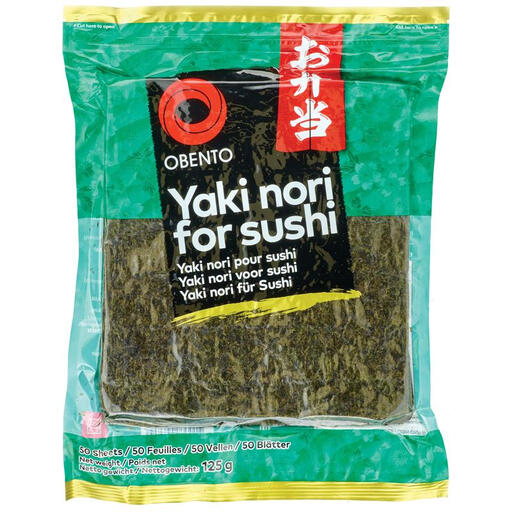
Why it suits this profile: With 50 sheets, this is a practical choice for anyone who uses seaweed for sushi, rice dishes and snacks. According to the product information, the sheets are roasted and plain.
The fixed quantity of 50 sheets makes it easier to match the pack to regular cooking rather than snacking alone.
125 grams; 50 roasted sheets; suitable for sushi and as a standalone snack. The product information does not list any of the 14 major EU allergens.
We have put together a complete, up-to-date list of products that fully meet these strict selection criteria and the applicable European safety regulations.
Store unopened packs in a cool, dry place. Avoid a kitchen cupboard above the hob, as heat and steam can affect the texture. Once opened, it is best to eat the snack straight away or seal the packaging airtight.
You can enjoy seaweed snacks in several ways:
For seasoned varieties, keep an eye on the amount of salt and flavour enhancers. Products containing sesame, soya or mustard require extra care if you have an allergy. Always check the current label, as it takes precedence over online product information.
No. Seaweed for sushi is usually plain and intended as a wrapper for rice. A nori snack is often roasted and seasoned with oil, salt or spices. Some sheets can be used for both purposes, but check their texture and size first.
This depends on the packaging and the conditions after opening. Individual sachets are practical when you eat small portions. A larger opened pack can go soft more quickly because of moisture. Reseal the bag securely and store it in a dry place away from direct sunlight.
First compare the portion weight, ingredients, salt content and type of oil used. Choose plain or lightly seasoned roasted seaweed if you prefer a simple flavour. For more variety, options include spicy seaweed snacks, wasabi, bulgogi, barbecue and sesame. The right choice mainly depends on your taste, when you plan to eat it and the pack size you want.
