
Vandaag of morgen in huis

Kwaliteit gegarandeerd

Welkomstaanbiedingen ontgrendelen: GRATIS bezorging | Tot 80% korting | Gratis 30 dagen JoyPlus-proefperiode
Download de app
A packet of seaweed snacks may seem simple at first glance: thin sheets, a little oil and a seasoning blend. In practice, products vary considerably in flavour, texture, portion size and intended use. One roasted seaweed snack is designed to be eaten straight from the packet, while other nori sheets are better suited to sushi, rice or noodle dishes.
When buying seaweed snacks online, it is therefore important to look beyond the packaging. Pay particular attention to the ingredients, net weight, allergens and how you intend to use the snack. This helps you avoid buying a large pack that quickly loses its crispness after opening, or choosing a seasoned seaweed snack when you are actually looking for a milder, more neutral flavour.
Seaweed snacks are often divided into small individual packets. This is convenient for eating on the go and helps preserve their crisp texture. However, always check the total weight. A pack containing 16 small portions may contain fewer grams than a single 50- or 60-gram bag.
Always compare the price per 100 grams, rather than looking only at the pack price. Kwang Cheon Kakao Friends Seasoned Green Seaweed, for example, comes in 16 packets of 4 grams. That is practical for lunch or a snack break, but each individual portion is relatively small.
The term healthy snack is frequently used for seaweed crisps and nori snacks. Seaweed itself is thin and light, but seasoned varieties can contain comparatively high levels of oil or salt. Bestore Kelp Knots Spicy, for example, lists 8.5 grams of salt per 100 grams. That is important information if you are monitoring your salt intake.
Nutritional information is not always presented in the same way, either. Check whether the table refers to 100 grams, one serving or one packet. Use the product packaging as the most up-to-date source, particularly when the information on a product page appears incomplete.
A roasted nori snack is generally dry and crisp. Kelp strips and kelp snack knots, by contrast, are often marinated, softer and slightly chewy. If you are expecting a crispy nori snack but order kelp strips instead, you may be disappointed.
Look for terms such as crispy, roasted, flaked, strips, knots and ready to eat. These describe the format and texture more accurately than a prominent flavour name on the front of the pack.
Review the ingredients list before placing your order. Many Korean seaweed snacks contain oil, salt, sesame oil or roasted sesame seeds. Products flavoured with teriyaki, bulgogi or soy sauce may also contain soy and wheat.
Examples:
If you have an allergy or intolerance, always check the label on the packaging you receive. Product information can change, and the packaging may include more detail than the online product page.
Small 3- to 5-gram packets are ideal for a quick snack break or taking with you. Larger 40- to 60-gram bags are better suited to sharing, regular snacking or using as a topping.
Want to use seaweed in your cooking? Choose a product that is not too heavily seasoned. Flaked seaweed, such as Kimnori Jaban Flaked & Seasoned Seaweed BBQ, can be sprinkled over rice, salads, noodles or soup. For sushi and rice rolls, you need plain or lightly salted nori sheets, such as Delief Roasted Seaweed Sushi Nori.
Moisture is the main reason a snack loses its crispness. Store opened seaweed snacks in a cool, dry place, away from direct sunlight and heat sources. Seal the packaging securely. For larger bags, an airtight storage container can help.
According to the product information, marinated products such as kelp knots should be refrigerated after opening and consumed promptly. Always check the storage instructions on the label.
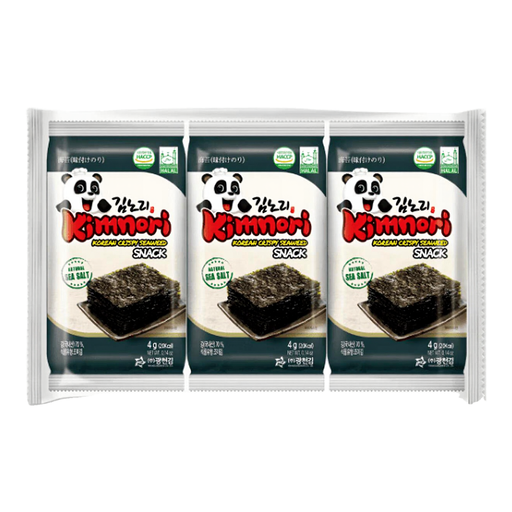
Why it is a good match: Three individually wrapped portions are ideal if you want to try Korean seaweed snacks first or are looking for a compact snack for work or school.
The total quantity is clear: three 4-gram packets. You are not immediately committing to a large pack with one distinctive flavour.
Individually wrapped portions in a ready-to-eat format, ideal for snacking straight from the packet.

Why it is a good match: The wasabi variety is designed for anyone seeking a bold, spicy flavour rather than the more neutral taste of a roasted seaweed snack.
The flavour is clearly stated. Still, check the ingredients, as the product information lists mustard and sesame as allergens.
Three individually wrapped portions with a thin, crisp texture.
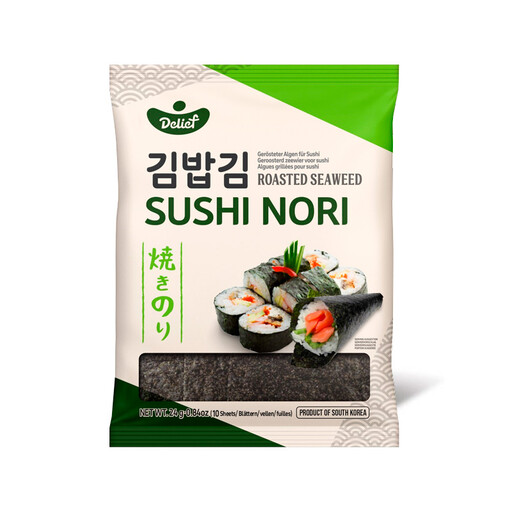
Why it is a good match: This product is intended for sushi, rice rolls and rice balls, but it can also be served alongside meals.
You are not choosing a seasoned snack for a dish where the flavour of the rice or filling should remain central.
Roasted laver, salt as an ingredient and a format suited to sushi and other dishes.
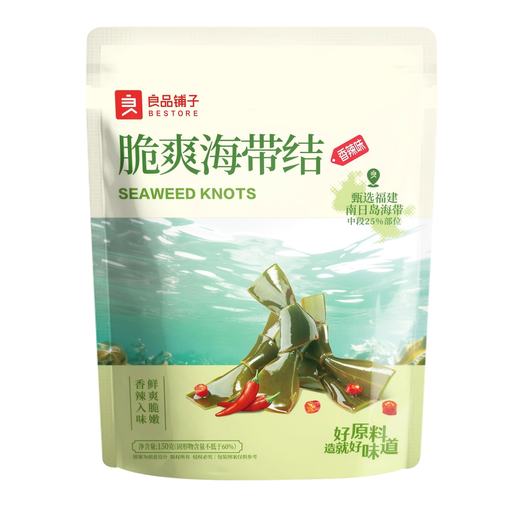
Why it is a good match: The marinated kelp knots have a softer, slightly chewy texture and a seasoned chilli flavour.
The product format makes it clear that these are not thin crisps. The packaging also lists soy, wheat, sesame and 8.5 grams of salt per 100 grams.
A total of 150 grams divided into 4 to 6 sachets, making it suitable for sharing or enjoying gradually.
Browse a current selection of seaweed crisps, nori snacks, kelp and other Asian snacks. Compare flavour, format, ingredients and intended use before ordering.
That depends on the ingredients and your overall diet. Pay particular attention to the salt and oil content per 100 grams or per serving. Seaweed can naturally contain iodine, which is why Sempio advises consuming it in moderation. Always follow the information on the packaging and choose a varied selection of snacks.
Nori is the thin seaweed that is often roasted and sold in sheets for sushi or eating straight from the packet. Wakame is usually sold dried and soaked before being used in soup, salad or other dishes. Kelp, also known as kombu, is more substantial. Kelp strips and kelp knots therefore tend to have a chewy texture.
Only open the packet when you are ready to eat it, and reseal the remaining packaging immediately. Store the snack in a cool, dry place away from direct sunlight. An airtight container is useful for larger packs. If the seaweed does become soft, first check that it is still within its best-before date and that the packaging was undamaged.
