
Vandaag of morgen in huis

Kwaliteit gegarandeerd

Welkomstaanbiedingen ontgrendelen: GRATIS bezorging | Tot 80% korting | Gratis 30 dagen JoyPlus-proefperiode
Download de app
Seaweed snacks are available as thin roasted sheets, seasoned strips, sushi nori and compact rolls. That makes comparing them difficult. A package may look large, while containing only a few small portions. Terms such as “light”, “crispy” or “healthy snack” also say little without checking the ingredients list and nutritional information.
As a Joybuy Product Recommendation Officer, I filter the most important product information down to practical considerations. This helps you avoid choosing based solely on flavour, brand name or eye-catching packaging.
Check the net weight and the number of servings. A multipack with three small bags weighing just a few grams each is convenient for eating on the go, but less suitable if you regularly want a topping for rice or noodles. For a family or sushi evening, packages containing 50 or 100 sheets are often more practical.
A seaweed snack may be light and crispy, but seasoned varieties can sometimes contain relatively high amounts of oil, salt or flavourings. For example, the product information for some Sempio and Chung Jung One products lists sesame oil, corn oil and salt. Always check the values per 100 grams as well as the serving size.
Also consider the naturally occurring iodine in seaweed. Sempio, for example, states that seaweed contains iodine and recommends moderation. This is not a medical assessment, but it is a reason to take the packaging information and your overall diet seriously.
A roasted seaweed snack may be made with only seaweed and salt, or it may also contain added oil and flavourings. The product information for TAOKAENOI Crispy Seaweed Original, for example, lists palm oil, salt, white pepper and flavour enhancers. With a roasted seaweed snack, the preparation method is therefore only part of the picture—the full ingredients list matters too.
For sushi, large, unseasoned sheets are generally the best choice. A product such as Miyamoto Roasted Seaweed contains 100 sheets measuring 19 × 21 cm, according to the product description. Obento Yaki Nori contains 50 sheets with a total weight of 125 grams. These formats make more sense for regular use than small snack bags.
If you are looking for a pure Japanese nori, check whether the ingredients list consists almost entirely of roasted seaweed. Delief Roasted Seaweed Sushi Nori lists roasted laver and salt. Seasoned Korean varieties may contain sesame oil, olive oil, corn oil, sugar or flavour enhancers.
Seaweed with olive oil has a different flavour and nutritional profile from a plain sheet. The same applies to seaweed with sesame, bulgogi, teriyaki, chilli or wasabi. If you have an allergy, always check the current packaging. Online product information can change and is not always complete.
Crispy seaweed absorbs moisture quickly. A resealable bag is useful for shredded products such as Garimi Olive Oil Seaweed. Small individual sachets are more suitable if you want to take portions to work, school or while travelling.
Store seaweed in a dry, cool place away from direct sunlight. Reseal the package securely after opening and consume the snack soon afterwards for the best texture. If the packaging is damaged, it is better not to use the product.

Why it’s a good fit: A compact Thai seaweed snack for discovering the crispy texture and savoury flavour.
The 32-gram net weight gives you a clearer idea of the quantity than a large, partially empty package.
According to the product description, the product consists of 85% Porphyra yezoensis and is packaged for on-the-go use.
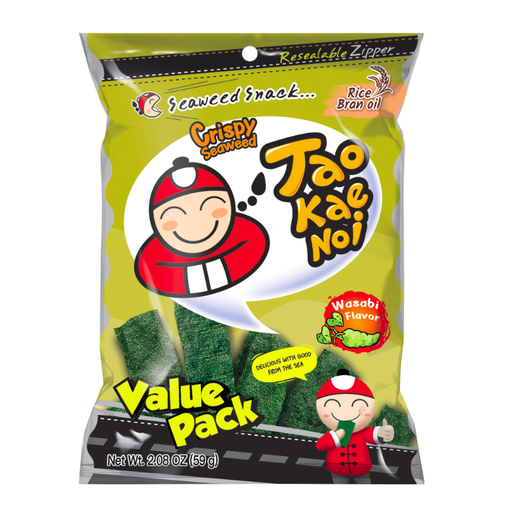
Why it’s a good fit: For seaweed lovers who prefer wasabi and a clearly spiced flavour over a neutral snack.
The flavour profile is clearly stated in the product name; also check the ingredients for mustard and sesame.
The package contains 59 grams, and the sheets are described as thin and crispy.
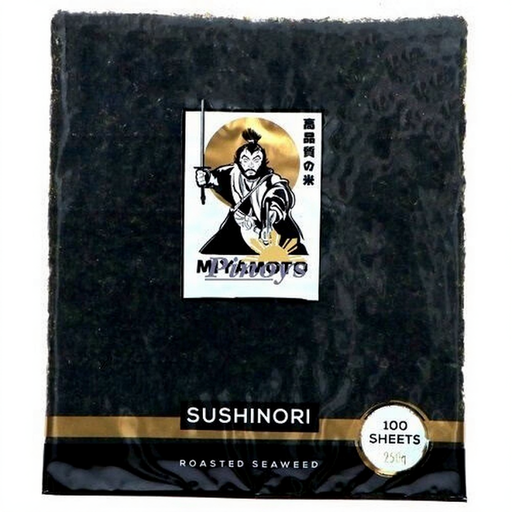
Why it’s a good fit: A bulk pack for sushi, kimbap, wraps and meals that require multiple sheets.
You are not paying for small snack portions when you primarily need nori sheets for meal preparation.
The sheets measure 19 × 21 cm and the pack contains 100, according to the listed product specifications.
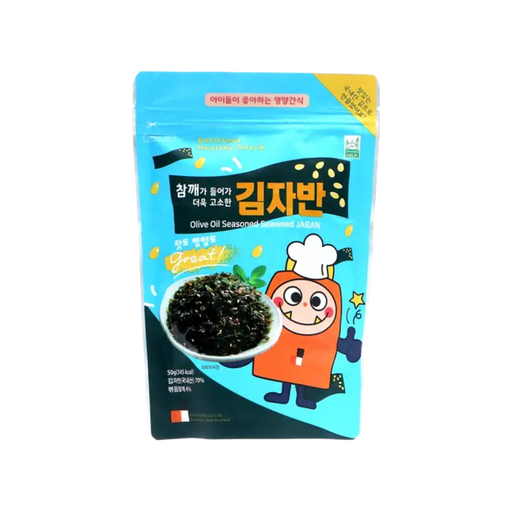
Why it’s a good fit: Shredded Korean seaweed for rice, noodles, salads, sushi and soups.
There is no need to crumble snack sheets yourself—the product is already cut and ready to use.
The resealable bag helps preserve the crispy texture; the ingredients include olive oil, salt and GimJaban seasoning.
Browse a current selection of seaweed chips and compare flavour, size, ingredients and intended use before placing your order.
That depends on the ingredients and your portion size. Pay particular attention to salt, oil and any iodine information on the packaging. A seaweed snack is not automatically healthy simply because it is thin or light.
Store the product in a cool, dry place away from direct sunlight. Reseal an opened bag securely. Shredded seaweed and thin sheets lose their crispness more quickly when they absorb moisture.
Sushi seaweed usually consists of large, unseasoned sheets that are sturdy enough to wrap rice and fillings. Snack seaweed is often smaller, thinner and seasoned with ingredients such as olive oil, sesame, chilli or wasabi. Always consider how you intend to use it before buying seaweed.
