
Vandaag of morgen in huis

Kwaliteit gegarandeerd

Welkomstaanbiedingen ontgrendelen: GRATIS bezorging | Tot 80% korting | Gratis 30 dagen JoyPlus-proefperiode
Download de app
A Korean seaweed snack might look simple at first glance: thin sheets of seaweed, a little oil and a flavouring. Yet products vary greatly in taste, size, ingredients and use. If you only go by an eye-catching packet or a low price, you could end up with an overly salty snack, a pack that quickly goes soft, or a product that isn't suitable for sushi.
As a Joybuy Product Recommendation Officer, I filter the most important product information by practical criteria. This way, you can compare seaweed snacks on verifiable specifications, without taking marketing claims as your starting point.
Seaweed is light. A bag can look big, while the contents might be, for example, 18.9, 32 or 50 grams. So always check the net weight and the number of individual portions. A multipack with small bags is handy for on the go, but the price per gram can work out differently than with one larger pack.
Roasted seaweed is often combined with palm oil, rapeseed oil, corn oil or sesame oil. Flavourings such as salt, sugar and flavour enhancers can also be present. So look at the ingredients list rather than relying on terms like "light snack" or "pure taste".
Also pay attention to the nutritional values per 100 grams. A portion of seaweed crisps often weighs just a few grams, meaning the values per portion can be very different from what the table per 100 grams suggests.
A seasoned seaweed snack is usually intended for eating straight away. For sushi, kimbap or rice rolls, you generally need larger, neutrally roasted sheets. Wasabi seaweed, spicy seaweed snacks and varieties with jajangmyeon or barbecue flavour are mainly intended as an Asian snack or topping.
First, choose between a neutral nori snack and a seasoned variety:
The term "roasted" describes the product form, but is no guarantee of a particular texture after opening. Moisture is the biggest enemy of crispy seaweed. So seal the packet tightly straight away.
Always check the actual packaging. Product information online can change, and the packaging may contain more details. Pay particular attention to:
A product without the 14 main EU allergens according to the available description is not automatically suitable for every allergy. If in doubt, read the full ingredients list and warnings on the packaging.
For eating straight away, small bags of around 3 to 5 grams are handy for a lunchbox, desk or train journey. A pack of 32 to 59 grams is better for sharing or several snacking occasions. Large sheets of approximately 19 × 21 cm are suitable for sushi, kimbap, wraps and rice balls.
Also pay attention to the recommended amount. Some seaweed products state that a high intake of iodine may be undesirable. For example, Taokaenoi Crispy Seaweed Jajangmyeon states a recommended maximum of 30 grams per day. Always follow the label on the product you buy.

Why this fits the profile: The neutral, salty flavour is an easy introduction to crispy seaweed without a pronounced chilli or fruit taste.
The net weight of 32 grams is clearly stated. The ingredients include 85% seaweed, palm oil, salt and white pepper.
Handy size for on the go; according to the product description, suitable for vegans.
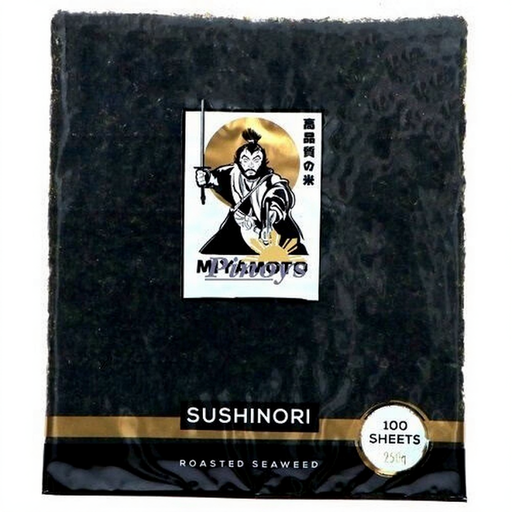
Why this fits the profile: If you regularly make sushi, kimbap or wraps, you get large, neutrally roasted sheets without any extra seasoning mix.
It is not a small snack pack with strong flavour; the size and quantity are tailored to culinary use.
100 sheets of 19 × 21 cm; according to the product information, the product consists of roasted seaweed.
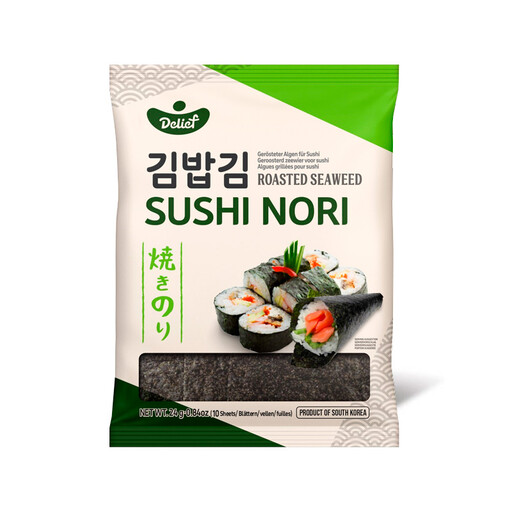
Why this fits the profile: This product is made for sushi, rice balls and meals. The ingredients list states roasted seaweed and salt.
The intended use is clearly described, so you don't buy a seasoned snack when you need neutral sheets.
Suitable for sushi and rice balls; according to the product description, it contains none of the 14 main EU allergens.
We have put together a full, up-to-date list of products that fully meet these strict selection criteria and current European safety regulations.
Yes, small individually wrapped portions are practical for on the go. Keep them dry and seal an opened pack tightly. As soon as moisture gets in, the crispy texture can quickly diminish.
The unopened shelf life is stated on the packaging. After opening, the quality mainly depends on exposure to moisture, heat and air. Store the snack in a cool, dry place and consume an opened portion promptly.
That varies by flavour. A plain product may be suitable, but varieties with tom yum, for example, can contain prawn powder. So always check the ingredients and allergens on the actual packaging. Also review the full ingredients for wasabi, barbecue and jajangmyeon flavours.
