
Vandaag of morgen in huis

Kwaliteit gegarandeerd

Welkomstaanbiedingen ontgrendelen: GRATIS bezorging | Tot 80% korting | Gratis 30 dagen JoyPlus-proefperiode
Download de app
Fancy a savoury Asian snack but not sure which pack suits your taste or how you’ll use it? Seaweed snacks vary widely in size, seasoning, texture and purpose. A small bag of roasted seaweed snack is handy for on the go, while large sheets of Japanese nori are intended for sushi or cooking.
When comparing, don’t just rely on attractive pictures or words like “crispy”. The key differences are usually found on the ingredients list, the nutrition table and the net weight.
Seaweed is light. A 50g or 60g bag can therefore look bigger than the actual amount. Always check the net weight and, for multipacks, the number of portions. A pack with several small bags is practical for lunch or on the go, whereas a larger bag works better when you’re also using the snack as a seaweed topping.
A seaweed snack may be relatively low in carbohydrates, but due to oil and seasonings it can still have a higher energy value per 100g. So look at:
Always check the packaging before consumption. Product information on a web shop can change, and the label may contain additional details.
Roasted sheets quickly absorb moisture. As a result, a crispy seaweed snack can become softer after opening. If you’re a slow eater, choose individually wrapped portions or a resealable pack. Always store seaweed in a cool, dry place, away from direct sunlight, heat and moisture.
For eating straight away, thin, seasoned sheets or rolls are ideal. A Korean seaweed snack often contains oil, salt, sesame oil or a spice blend. Think original flavour, BBQ, chilli or wasabi.
For cooking, sushi nori sheets are more practical. These are usually less heavily seasoned and large enough to wrap around rice, vegetables or kimbap. Check the size and number of sheets. The product should clearly be suitable as seaweed for sushi and not just described as a snack.
Flakes or finely cut seaweed are handy as a seaweed topping for rice, noodles, soup or salad. They distribute easily over a dish and don’t need to be neatly cut into sheets.
An original or lightly salted variety is a sensible starting point if you’re not yet familiar with the taste of nori. For a more pronounced snack, seaweed with wasabi, seaweed with chilli or other seasoned seaweed options are more interesting.
Wasabi typically gives a sharp aroma, while chilli adds more heat and spice. Do check the full ingredients list though: flavour names don’t tell you how much of a seasoning has actually been used.
Always check the current label, even when a product description states it contains none of the 14 major EU allergens. For products with sesame oil or roasted sesame seeds, sesame is listed as an allergen. If you eat a vegan diet, you can use the ingredients list to select a suitable vegan Asian snack, but also check for any warnings about cross-contamination.
Nutritional values per 100g are useful for comparison, but they don’t automatically tell you how much you consume per eating occasion. For small bags, the portion weight is therefore at least as relevant.
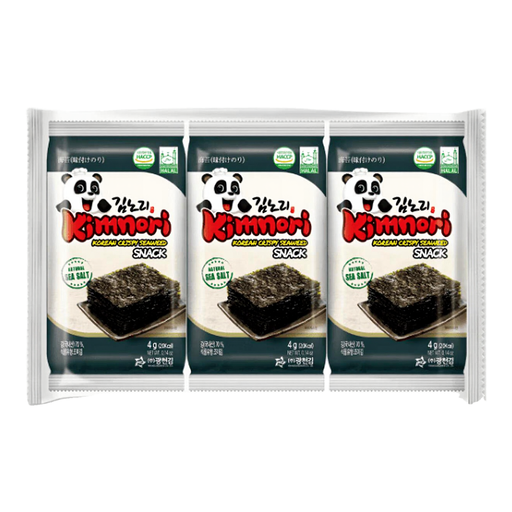
Why this fits the profile: The three 4g portions are manageable when you want to try different seaweed snacks without opening a large pack straight away.
The portion size makes the net weight and usage occasion clear. You don’t have to keep resealing a larger bag.
3 x 4g; seasoned original variety; according to the product information, free from the 14 major EU allergens.
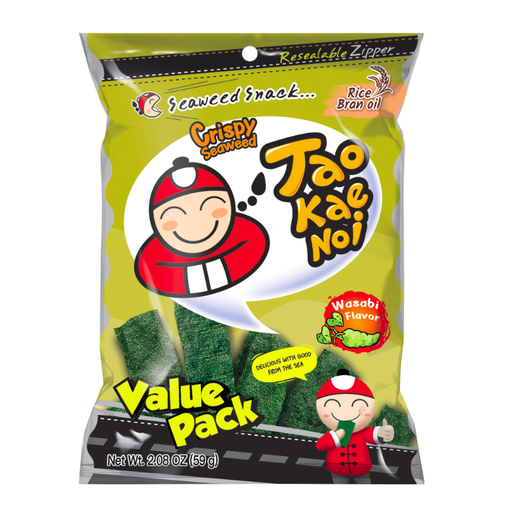
Why this fits the profile: The thin, roasted sheets combine a larger pack with a pronounced wasabi seasoning for those who love a punchy flavour.
The flavour direction is clearly stated: wasabi. This makes it less likely you’ll expect a mild original variety.
59g; roasted thin sheets; wasabi sauce as a clear flavour accent.
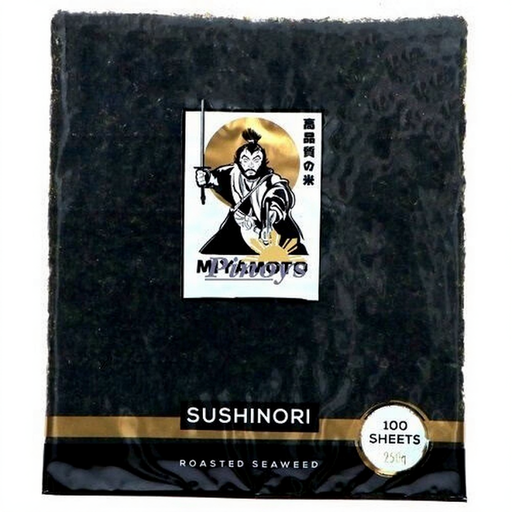
Why this fits the profile: With 100 sheets measuring 19 x 21 cm, this format is aimed at sushi, kimbap, wraps, families and regular cooking.
The number of sheets and the size are clearly stated. This helps you better judge whether the supply matches how often you cook.
100 sheets; size 19 x 21 cm; according to the product information, made from 100% roasted seaweed.

Why this fits the profile: The product description mentions chilli, roasted sesame and savoury spices. That suits anyone looking for more than just a lightly salted snack.
The flavour and presence of sesame are visible upfront. This lets you factor in heat and allergens when making your choice.
50g; hot chilli flavour; ingredients list soya and sesame as allergens.
We’ve put together a full, up-to-date list of products that fully meet these strict selection criteria and comply with current European safety regulations.
An opened snack is often best when eaten quickly. Thin sheets in particular lose their crispy texture when exposed to air for a long time.
That depends on your preference and the composition. Seaweed snacks are thin and crispy, but they often contain oil and salt. So compare the nutritional values per 100g and pay attention to the portion size. A snack that is low in sugar is not automatically low in fat or salt.
Nori for sushi usually consists of large, rectangular sheets that you wrap around rice and filling. A roasted seaweed snack is often smaller, seasoned and ready to eat. For sushi, choose unseasoned sheets; for snacking, seasoned portions are more convenient.
Unopened, follow the date on the pack. After opening, crispness depends on moisture, packaging and storage method. Seal the bag airtight and keep it dry. Individual portions help when you’re not using the snack all at once.
