
Vandaag of morgen in huis

Kwaliteit gegarandeerd

Welkomstaanbiedingen ontgrendelen: GRATIS bezorging | Tot 80% korting | Gratis 30 dagen JoyPlus-proefperiode
Download de app
Seaweed snacks come in far more varieties than just thin, salty sheets. You can find roasted seaweed snacks with olive oil, Korean seaweed snacks with herbs, Japanese nori for sushi and crispy rolls with distinctive flavours such as wasabi or durian. That means comparing products by brand or packaging alone is not enough.
Looking to buy seaweed snacks for a quick bite, as a topping or for making your own sushi? Pay particular attention to the format, seasonings, portion size and storage instructions.
Korean snacks are often sold in bags containing 3, 9 or 16 portions of around 4 grams. That is handy when you are out and about, but less suitable if you regularly want to garnish rice, noodles or salads. So compare the total weight and number of individual packs, not just the price per bag.
A seasoned seaweed snack often contains oil, salt, sesame oil or flavourings. This creates a distinctive taste, but may be less practical for sushi. For maki, onigiri and kimbap, plain nori sheets are usually more convenient. Also check the size: a 19 x 21 cm sheet gives you more room to work with than small snack sheets.
Seaweed products are often presented as light or healthy Asian snacks. This is not an inherent quality of every variety. Added oil, salt, sugar and flavour enhancers can affect the nutritional values. So check the label for the ingredients, nutritional information and allergens. According to the product information for some varieties, none of the 14 major EU allergens are present; other products may contain sesame or mustard, for example. The packaging remains the definitive source of information.
A product such as Garimi Olive Oil Seaweed is finely cut and designed to be used as a ready-to-serve topping. For sushi seaweed, large roasted sheets such as Yaki Nori are more practical.
The basic flavour of roasted seaweed is savoury and umami-like. Oils and herbs add further definition to the flavour profile:
For blended flavours, also check for soya, mustard, sesame and flavour enhancers. Brand claims about flavour or preparation come from the brands’ own product descriptions, so treat them as information about the recipe rather than a guarantee for every user.
Crispy seaweed quickly becomes soft when exposed to moisture. A resealable bag is useful if you plan to use the product over time. Individual portions protect the texture better when you take a snack to work, school or when you are out and about.
Store opened seaweed snacks in a cool, dry place, away from direct sunlight and sources of heat and moisture. Seal the bag securely and ideally eat an opened portion promptly. Check the packaging before use and follow the best-before information on the label.
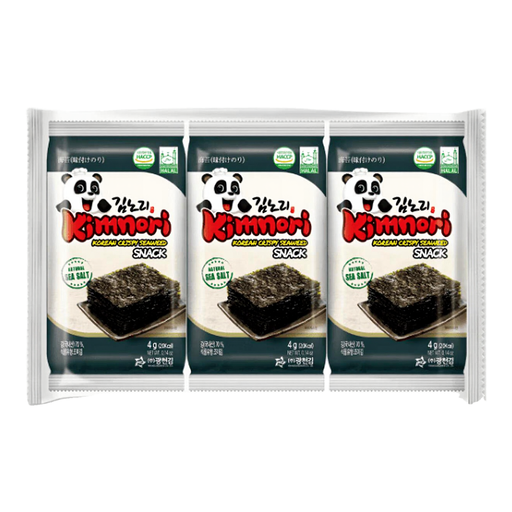
Why it suits this profile: Three small portions make it easy to try a Korean seaweed snack without buying a large supply.
The portions are individually packed, so you are less likely to open a whole bag at once.
3 bags of 4 grams; seasoned, crispy snack for eating straight away.
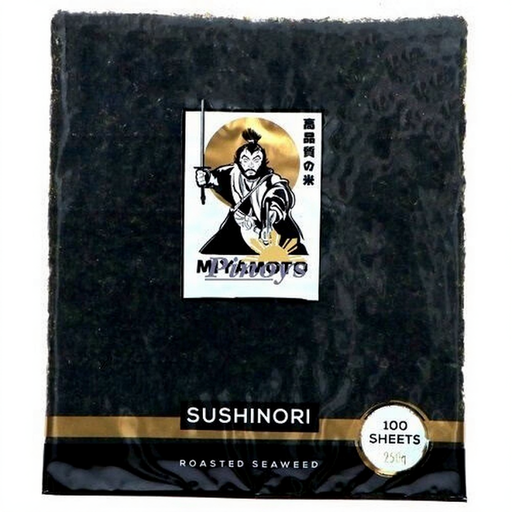
Why it suits this profile: The large supply is aimed at home cooks, families and anyone who regularly makes sushi or kimbap.
The specification states that it contains 100 sheets measuring 19 x 21 cm, so you can assess the size and quantity in advance.
100 roasted sheets; 19 x 21 cm; suitable for sushi, wraps and kimbap.
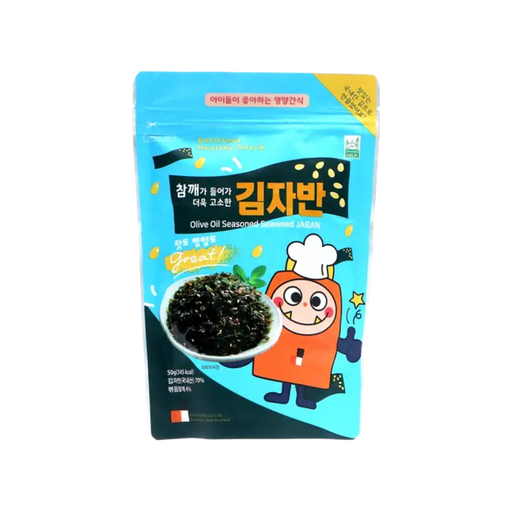
Why it suits this profile: The finely shredded texture is practical for anyone who often finishes rice, noodles, salads or soup with a savoury topping.
There is no need to cut or crumble large sheets; the product is already shredded and comes in a resealable bag.
50 grams of shredded roasted seaweed; seasoned with olive oil and GimJaban flavour.
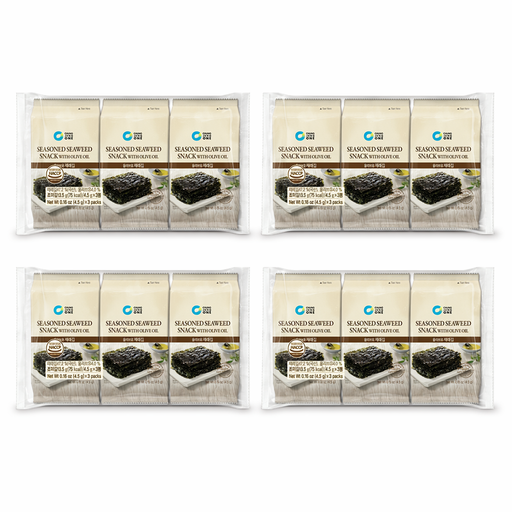
Why it suits this profile: Twelve small packs are convenient for lunch boxes, the kitchen cupboard and sharing.
The individual bags limit exposure to moisture after opening. However, note the sesame allergen listed.
12 portions of 4.5 grams; seasoned with olive oil; also suitable as a topping.
We have put together a complete, up-to-date list of products that fully meet these strict selection criteria and the applicable European safety regulations.
That depends on the variety you choose and your own dietary choices. A plain roasted product has a different composition from a snack containing oil, salt, sugar or flavourings. So check the nutritional table per portion and read the ingredients list. Do not use terms such as “healthy” as a substitute for checking this information.
Store the packaging in a dry, cool place and keep it securely closed. Only open individual portions when you are ready to eat them. With a larger bag, a resealable closure helps, but moisture remains the main cause of a softer texture. Ideally, use opened seaweed promptly.
Choose unseasoned sushi seaweed or yaki nori in large sheets. Products such as Miyamoto Roasted Seaweed and Obento Yaki Nori are described in their product information as being intended for sushi and rolls. A seasoned snack with olive oil, wasabi or teriyaki is better suited to eating straight away or using as a garnish.
