
Vandaag of morgen in huis

Kwaliteit gegarandeerd

Welkomstaanbiedingen ontgrendelen: GRATIS bezorging | Tot 80% korting | Gratis 30 dagen JoyPlus-proefperiode
Download de app
A bag of seaweed snacks might seem straightforward to compare at first glance. Yet there are clear differences between a Korean seaweed snack, crispy seaweed from Thailand, dried nori for sushi and seasoned seaweed chips. If you go only by the picture or flavour name, you could end up with a snack that's too salty, a pack with very little inside, or a product that isn't right for what you had in mind.
With this practical guide, you'll know exactly what to look for – the details that are often overlooked when shopping online.
Seaweed sheets are light. A 50-gram pack can therefore look larger than the actual amount inside. Always check the net weight, the number of sachets and the weight per portion.
Individual portions, such as 9 sachets of 5 grams, are handy for on the go and stay crispier for longer. A large open bag can absorb moisture more quickly. This is especially relevant for thin roasted seaweed snack sheets.
Many snacks consist of seaweed, oil, salt and a flavouring powder. Check the full ingredients list and the nutritional information per 100 grams. Pay attention to:
A product description might describe a flavour as mild or savoury. That's not a fixed nutritional standard. For a proper comparison, rely on the label and the stated nutritional values.
Nori snack, seaweed chips and seaweed for sushi have different purposes. A snack is often already roasted and seasoned with oil and salt. Sushi nori is usually intended for wrapping rice and fillings and has a more neutral composition.
If you want seaweed for sushi, rice balls or maki, choose a product that states its use for sushi or meals. For snacking straight away, thin seasoned sheets or crispy rolls are a better fit.
Don't just compare the price per pack – also compare the price per 100 grams. A multipack can be handy if you want to take portions to work, school or on the go. A bag of 40 to 50 grams works better when you also want to crumble the snack over rice, noodles or salad.
Check the storage instructions after opening. Most products should be kept cool and dry, away from direct sunlight and moisture. Seal an opened pack tightly and eat the seaweed as soon as possible to keep its crispy texture.
The flavour determines how often you'll reach for a pack:
Read the current packaging before you buy. Recipes and labels can change. Among the different products in this category, sesame is often listed. Some seasoned varieties also contain soya or wheat.
A product may come from Korea, Thailand, China or another country. The origin alone won't tell you how you'll experience the taste. Focus instead on the type of seaweed, the preparation method, seasonings, oil and packaging.
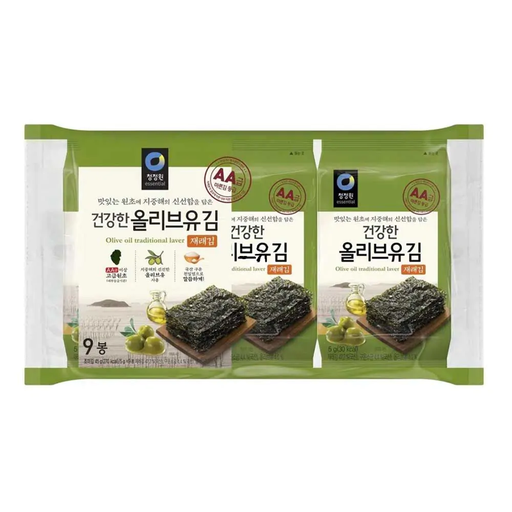
Why this fits the profile: The pack contains 9 individual sachets totalling 45 grams. This makes portions easy to divide and ideal for trying different snacking moments.
The net weight and number of packs are clearly stated, so you judge the quantity by more than just the outer packaging size.
9 portions; made with corn, olive and sesame oil. The ingredients list states sesame as an allergen.
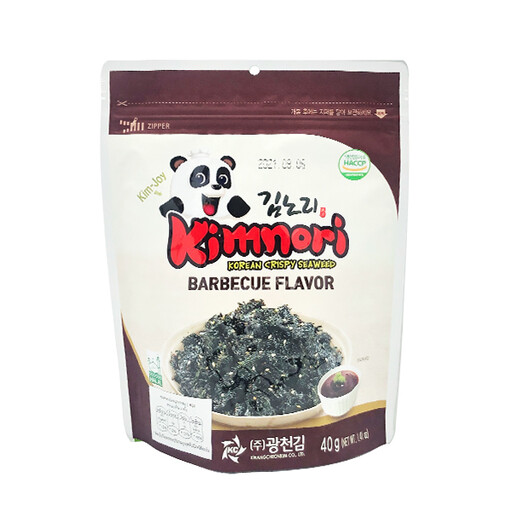
Why this fits the profile: The flakes are seasoned with BBQ seasoning, sesame oil and roasted sesame seeds. Use them straight as a snack or as a topping for rice, salad, noodles and soup.
The product information states both the 40-gram portion and the main flavourings. You know straight away that this isn't neutral sushi nori.
75% seaweed according to the product information; BBQ flavour and sesame seeds; suitable as a snack and a meal topping.
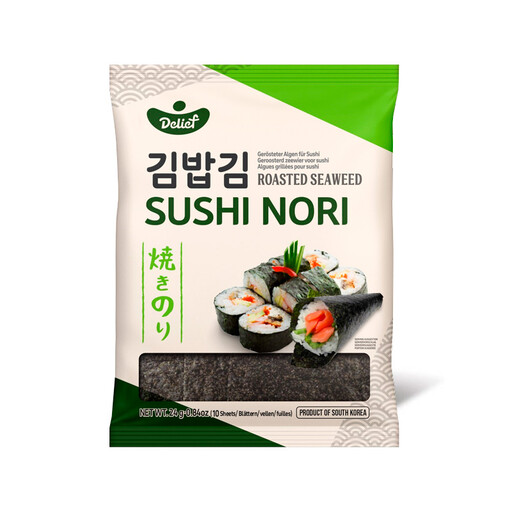
Why this fits the profile: This roasted nori is intended for sushi, rice balls and meals. That makes it a great choice for home cooks who regularly use seaweed in their dishes.
The product name and usage instructions make it clear this is sushi nori, not an oil- and seasoning-rich snack for eating straight away.
24 grams; roasted laver; suitable for sushi, rice balls and meal combinations.
We've put together a full, up-to-date list of products that fully meet these strict selection criteria and comply with current European safety regulations.
Yes, individual sachets and small rolls are practical for taking with you. Choose a pack that stays sealed properly and store the product in a dry place. Once opened, seaweed can become less crispy due to moisture.
A Korean seaweed snack is often roasted and seasoned with oil, salt, sesame or other flavourings. Japanese nori is usually sold in a more neutral form for sushi, rice rolls and other dishes. The exact composition varies by brand, so always check the label.
Store crispy seaweed according to the pack instructions in a cool, dry place, away from sunlight, heat and moisture. Seal the pack tightly after use. For sushi nori, the same dry storage helps keep the sheets usable. Always check the best-before information before eating and read the current ingredients and allergens list.
