
Vandaag of morgen in huis

Kwaliteit gegarandeerd

Welkomstaanbiedingen ontgrendelen: GRATIS bezorging | Tot 80% korting | Gratis 30 dagen JoyPlus-proefperiode
Download de app
Seaweed snacks come in many forms: from thin roasted seaweed sheets to rice crackers with seaweed flavour and extra crunchy biscuits. This makes choosing fun, but also tricky. A packet with big flavour claims doesn't always tell you enough about portion size, ingredients or allergens.
With this practical selection guide, you'll know what to look for and which popular choices suit different snacking occasions.
Some snacks look like an alternative to crisps because of their size, but are mostly made from wheat flour, rice, oil or starch. For example, Bestore Crispy Thin Biscuits Seaweed Flavour is based on 46.1% wheat flour, with seaweed powder as the flavouring. That's quite different from a snack that's mainly seaweed.
So always check the ingredient order. Ingredients are usually listed in descending order by weight. If rice or flour comes before seaweed, you're mainly buying a cracker with seaweed flavouring.
A Korean seaweed snack with chilli tastes different from seaweed with wasabi or a Thai version with tom yum. Wasabi gives a sharp, short kick; chilli and Sriracha usually provide a longer-lasting heat. Tom yum often combines sour, spicy and savoury notes.
Anyone expecting a mild snack could be disappointed. Look at both the flavour name and the ingredients, such as chilli powder, wasabi, lime powder or shrimp powder.
Roasted seaweed can contain sesame oil, soy sauce, wheat or shellfish. Bestore Crispy Thin Biscuits contains wheat, soya, shellfish, egg and sulphites, among others. Tom Yum Crispy Seaweed lists prawns and shellfish. Bibigo with sesame contains sesame.
An online product description can also differ from the packaging. So always check the physical label before eating, especially if you have allergies, follow a vegetarian diet or have specific dietary requirements.
First, choose the type of snack:
The term crispy seaweed snack doesn't tell you much about the texture on its own. Look at the product type and the ingredients.
For several Taokaenoi products, the snack consists of around 85% Porphyra yezoensis according to the product information. This applies to the Original and Hot & Spicy varieties, for example. With BIN BIN Rice Cracker Seaweed Flavor, the seaweed content is 0.8% according to the listed ingredients, while rice makes up 64.8%.
That difference determines the experience. If you're after the taste of roasted nori, choose a product with a higher seaweed content. If you want a firm cracker with a subtle seaweed touch, rice crackers might be a better fit.
Small packets of 32g are practical for a lunchbox, train journey or snack at work. Multipacks, such as Bibigo Seaweed Seasoned Crispy 4x20G, are handy for sharing. A 300g box, like Bestore, is better suited to a family, guests or a snack platter.
Seaweed quickly loses its crunchy texture when exposed to moisture. So store opened packets in a cool, dry place, tightly sealed, away from sunlight and heat. With individually wrapped portions, the contents usually stay better protected until you open them.

Why this suits the profile: A small packet makes it easy to try roasted seaweed first without buying a large supply straight away.
The product information states 85% seaweed and a net weight of 32g. This makes it clearer what you're buying compared to crackers with just seaweed flavouring.
Original salty flavour, crunchy texture and, according to the product information, none of the 14 main EU allergens.

Why this suits the profile: The small portions are ideal for anyone who values freshness and controlled portioning.
The ingredients list is short: seaweed, rapeseed oil, sesame oil and salt. However, you do need to be aware of sesame as an allergen.
3 portions of 5g each, with sesame flavour and a short ingredients list according to the product information.
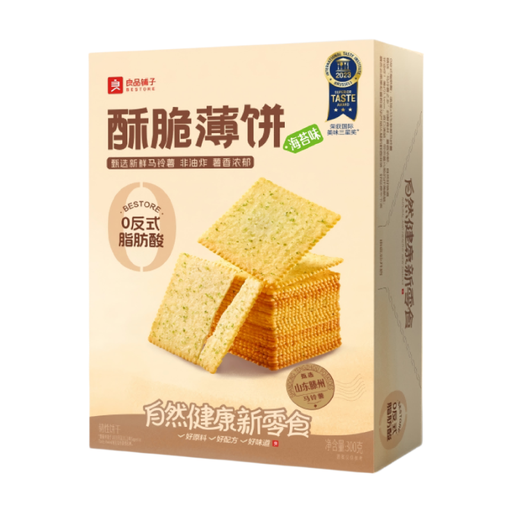
Why this suits the profile: The 300g box is designed for sharing during a film night, with guests or at a family gathering.
The product information clearly states that these are thin biscuits with seaweed flavour, not pure seaweed sheets. The allergens are listed in detail.
300g, extra thin texture and suitable for pairing with dips, cheese or spreads.
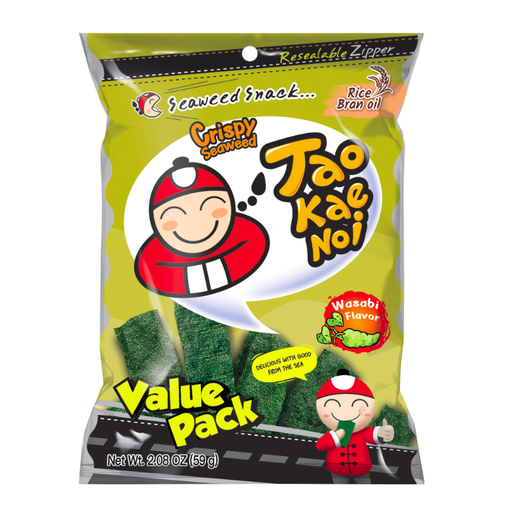
Why this suits the profile: This packet is designed for fans of a sharp wasabi flavour and thin, roasted sheets.
The flavour is clearly labelled as wasabi. This makes the choice less surprising for anyone specifically looking for a spicy seaweed snack.
59g of roasted seaweed sheets with a pronounced wasabi sauce according to the product description.
We've put together a full, up-to-date list of products that fully meet these strict selection criteria and comply with current European safety regulations.
That depends on the product. Thin seaweed sheets are usually lighter and more brittle, while tempura, biscuits and rice crackers can contain more flour, rice, oil or sugar. So compare the nutritional information per 100g and pay attention to the portion size. A seaweed snack isn't automatically a better choice; the composition varies a lot by brand and flavour.
Store opened seaweed snacks in their original, well-sealed packaging or in an airtight container. Keep them away from moisture, heat and direct sunlight. It's best to eat them soon after opening, as the thin sheets can quickly go soft.
Always check the label. Some varieties contain shrimp powder, shellfish, bonito or fish flavourings. For example, the ingredients of Tom Yum Crispy Seaweed list shrimp powder, while other Original or Hot & Spicy varieties don't list any animal-derived allergens according to the product information. Check the actual packaging with every purchase and only choose a product that fits your own dietary choices.
