
Vandaag of morgen in huis

Kwaliteit gegarandeerd

Welkomstaanbiedingen ontgrendelen: GRATIS bezorging | Tot 80% korting | Gratis 30 dagen JoyPlus-proefperiode
Download de app
At first glance, picking up a bag of seaweed snacks seems straightforward. Yet nori, wakame, kelp and seasoned seaweed differ greatly in how they're used, portion size, flavour and salt content. A crispy Korean seaweed snack, for example, is ready to eat straight away, whereas dried seaweed for soup needs to be soaked or cooked first.
If you only focus on terms like "crispy", "premium" or "authentic flavour", you could end up buying a product that doesn't suit what you have in mind. These practical checks will help you choose more wisely whether you're after a snack, sushi, rice dishes, noodles or soup.
Many Korean and Japanese seaweed snacks are packed in individual portions. That's handy for eating on the go, but the net weight can be quite low. A pack containing three sachets of 4 grams is very different from a bulk pack of 125 or 150 grams.
So don't just compare the number of sachets – also look at:
A Korean seaweed snack often contains oil, salt, sesame oil, sugar, spices or flavour enhancers. That gives it more taste, but makes it less suitable for recipes where you want to control the flavour yourself. What's more, a seasoned sheet can go limp more quickly once the pack is opened.
For sushi and onigiri, you're usually better off with sushi nori, yaki nori or neutral seaweed sheets. For eating straight away as a snack, roasted, seasoned varieties are a better fit.
Seaweed products can naturally contain iodine. That's why some packs carry advice to consume them in moderation. In addition, seasoned products may contain soya, mustard or sesame. Always check the ingredients list and nutritional information, especially if you have an allergy or are watching your salt intake.
The information on a web shop may differ from the label. So before using the product, always check the actual packaging, best-before date, allergens and storage instructions.
Nori is a thin sheet of seaweed that is often roasted. It's used for sushi, onigiri, rice and as a crispy topping. The terms nori, laver and yaki nori are often used interchangeably in product descriptions.
Wakame is usually dried and cut. After soaking, it becomes soft with a slightly firm texture. It works well in miso soup, noodles, salads and other Asian dishes. It's not the same as a ready-to-eat snack sheet.
Kelp has a thicker, firmer structure. In seasoned form, kelp can be eaten straight away as a snack or as a side dish with rice and porridge. With these varieties, pay extra attention to salt, oil and spicy seasonings.
Roasted seaweed is generally drier and crispier than unprocessed dried seaweed. The crunchy texture stays best if you seal the pack properly and store the product in a dry place.
First, look at the instructions. "Ready to eat" means you can open the product and eat it straight away. "Cooking required" or "rinse before use" points to dried seaweed that needs to be prepared.
For sushi, check:
For soup or noodles, cut wakame or other dried seaweed is more practical. A snack sheet can quickly lose its crunch in broth.
Compare the ingredients in order of quantity. With plain nori, the ingredients list may consist of seaweed only. With a seasoned seaweed, oil, salt, sesame, sugar and spices are often listed.
Also pay attention to the unit shown. Nutritional values per 100 grams can look high for light products, even though a portion weighs only a few grams. With Wei Long Fengchi Kelp, for example, a portion of 50 grams is listed alongside the values per 100 grams. The packaging states that the product contains 76% kelp and includes soya and mustard.
Moisture is the biggest enemy of crispy nori. Store opened products in a cool, dry place, away from direct sunlight and tightly sealed. Some snacks state that you should consume them immediately after opening. For Wei Long Fengchi Kelp, the instructions say it should be refrigerated after opening and used within seven days.
Also check that the packaging is undamaged, and read the date and instructions on the physical label.
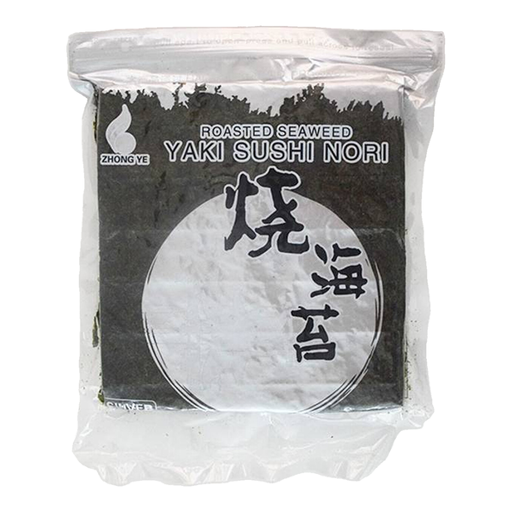
Why this fits the profile: Ten sheets give beginners a manageable amount for sushi, onigiri or a first introduction to nori.
The number of sheets and the net weight are clearly stated. The ingredients list names seaweed as the ingredient, and the product is not described as a seasoned snack.
10 sheets, crispy texture according to the product description, and suitable for sushi rolls and rice balls.
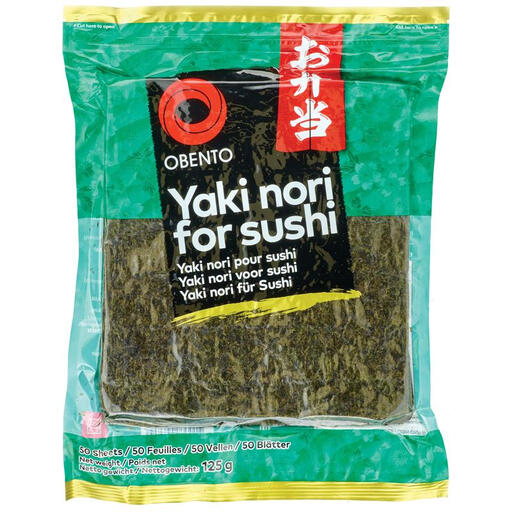
Why this fits the profile: The large pack suits households that regularly make sushi, hand rolls or rice dishes.
It contains 50 sheets with a total weight of 125 grams, so you're not reliant on small snack portions.
Roasted nori, 50 sheets and, according to the product information, free from artificial colours, flavourings or preservatives.
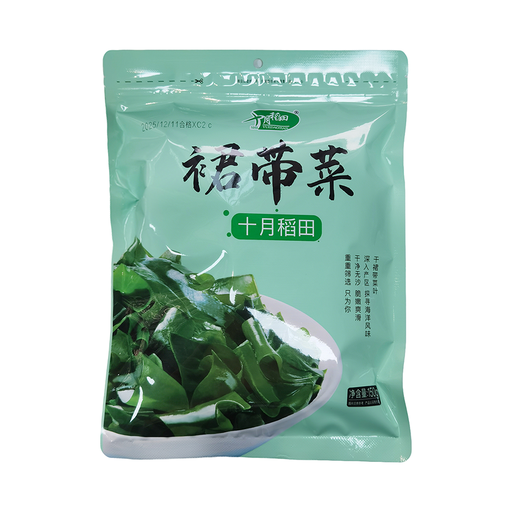
Why this fits the profile: This dried wakame is intended for Chinese dishes and suits cooks who want to use seaweed in soups and hot meals.
The product description clearly states dried wakame and salt. This prevents you from mistaking a cooking ingredient for a ready-to-eat snack.
150 grams net weight and a simple ingredients list with dried wakame and salt.
We've put together a full, up-to-date list of products that fully meet these strict selection criteria and comply with current European safety regulations.
Not every snack variety is suitable for that. For sushi, it's best to use plain sushi nori or yaki nori in whole sheets. Seasoned nori with oil, sugar or wasabi can overpower the flavour of the rice and filling. Also check that the sheet is large enough and sturdy enough to roll.
Store nori in a cool, dry place, tightly sealed, away from steam and direct sunlight. Moisture makes roasted seaweed go limp. Individually wrapped portions are practical when you're not using everything at once. Always follow the storage advice on the pack.
No. Wakame is often dried and soaked for soup, salad or noodle dishes. Nori is usually thinner and roasted into sheets for sushi, rice balls or eating straight away as a snack. Kelp is another, firmer type of seaweed. So first choose the dish you want to make, and only then pick the type of seaweed.
