
Vandaag of morgen in huis

Kwaliteit gegarandeerd

Welkomstaanbiedingen ontgrendelen: GRATIS bezorging | Tot 80% korting | Gratis 30 dagen JoyPlus-proefperiode
Download de app
Seaweed snacks come in many forms: thin Korean sheets, roasted Japanese nori, crispy rolls and dried seaweed for soup or salad. This wide choice does not always make it easy to decide. A packet may look large, while the contents consist of small portions. Terms such as “light”, “premium” or “natural” also reveal little about flavour, use or nutritional values unless you check the ingredients list.
Pay particular attention to these three common pitfalls:
A Korean seaweed snack usually consists of thin laver or gim sheets that have been roasted and seasoned with oil and salt. Some varieties contain sesame oil, sesame seeds, wasabi, barbecue seasoning or bulgogi flavour. You can eat them straight from the packet, but they also go well with rice, noodles and soup.
One benefit of small packets is portion control. Once opened, the rest of the supply stays sealed, helping to preserve its crisp texture.
Japanese nori is often less heavily seasoned than a snack variety. This makes it well suited to sushi, hand rolls, onigiri and rice balls. Look out for the difference between snack sheets and sushi nori: snack sheets are sometimes smaller, seasoned or packed in portions. For maki and temaki, you will generally need large, unfolded sheets.
Dried seaweed is suitable for soup, salad and noodle dishes. Wakame is generally soaked first; it absorbs moisture and develops a softer texture. It is therefore not the same as a crispy seaweed snack.
When using it in cooking, it is important to follow the preparation instructions on the label. Do not automatically use the same quantity as you would with fresh ingredients, as dried seaweed can expand after soaking.
Furikake seaweed is a Japanese sprinkle mix for rice, noodles, poke bowls, salads and soup. As well as nori, it may contain sesame, sugar, salt and other flavourings. It is useful when you want to add umami and texture without needing a whole sheet of seaweed.
Do not compare only the number of packets; check the total weight as well. A pack containing three 4-gram packets is different from a 45-gram bag. For a family, sushi evening or food-service setting, the number of sheets may be more relevant than the weight alone.
Also check whether the product is intended for eating straight away or for preparation. A bag of wakame 50 g can provide several servings, but it does need to be soaked and portioned.
Choose a plain variety when you only want to use seaweed. A product described as “100% dried seaweed” contains only dried seaweed according to the product description. Seasoned varieties often contain oil, salt and flavour powders.
Always check the allergen information, particularly for sesame, soya, mustard or possible traces of fish and shellfish. Product information can change, so check the physical label too. In a wasabi-flavoured product, the heat may come from a seasoning mix rather than fresh wasabi.
For snacking straight from the packet, look for a dry, crispy texture and packaging that can be opened one portion at a time. Large, evenly sized sheets are more practical for sushi. For toppings, flakes or a sprinkle mix are more convenient.
Store seaweed in a cool, dry place away from direct sunlight. Moisture quickly makes roasted nori soft. Seal opened packaging securely and preferably use the contents soon afterwards.
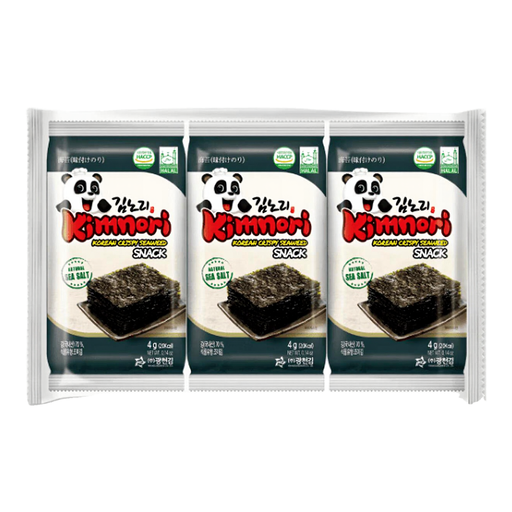
Why it suits this profile: Three individual packets make it easy to try a Korean snack without immediately buying a large supply.
The number of portions and the weight are clearly stated in the product name: 3 x 4 grams. This makes it easier to compare the quantity with larger bags.
Roasted, seasoned seaweed in individual packets; suitable for eating straight away.
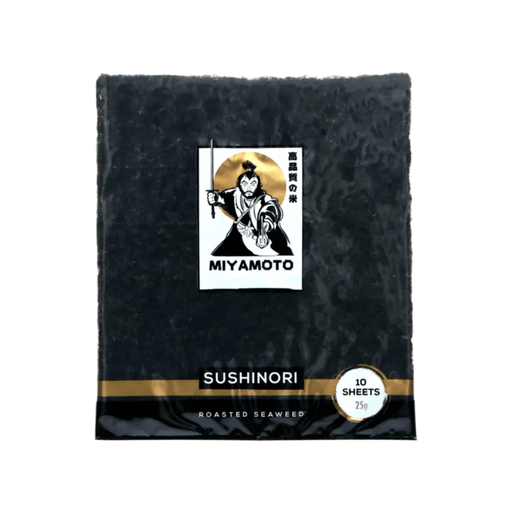
Why it suits this profile: The pack contains 10 roasted sheets for sushi, hand rolls, rice balls or eating as a snack.
The size and number of sheets are specified. The ingredients list states nori; check the packaging for possible traces of fish or shellfish.
10 sheets; roasted; suitable for sushi, hand rolls and rice balls.
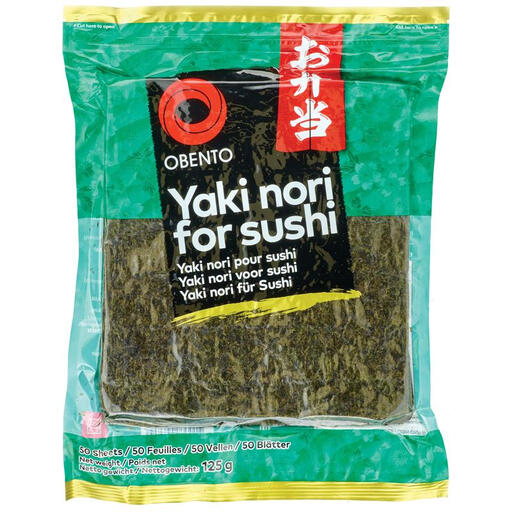
Why it suits this profile: A supply of 50 sheets is practical for regular sushi-making, larger households, cookery workshops or professional use.
The number of sheets and net weight are clear from the outset. Store the opened packaging in a dry place and keep it well sealed to help prevent loss of crispness.
50 roasted sheets measuring 19 x 21 cm; suitable for sushi and snacks.
We have put together a complete, up-to-date list of products that fully meet these strict selection criteria and the applicable European safety regulations.
Usually not. Dried wakame is mainly intended to be soaked and then used in soup, salad or noodle dishes. If you want to eat it straight from the packaging, choose a product that is clearly labelled as a snack.
Store roasted seaweed in a cool, dry place away from direct sunlight. Seal the packaging securely after use. An opened bag can become soft due to moisture. Individual portions help keep the rest of the product in good condition for longer.
Compare the net weight, number of portions or sheets, preparation method and ingredients. Also check for allergens such as sesame and possible traces of fish or shellfish. Product claims about flavour or effects come from the brand, so focus mainly on the verifiable information on the label. Also bear in mind that seaweed naturally contains iodine, and consume the product according to the instructions on the packaging.
