
Vandaag of morgen in huis

Kwaliteit gegarandeerd

Welkomstaanbiedingen ontgrendelen: GRATIS bezorging | Tot 80% korting | Gratis 30 dagen JoyPlus-proefperiode
Download de app
A bag of seaweed snacks might seem straightforward to choose: roasted nori, a flavouring powder and a handy packet. Yet products vary widely in taste, portion size, allergens and how you use them. A Korean seaweed snack for on the go, for example, is not the same as a Japanese topping for rice.
The biggest buying mistakes usually come down to three common pitfalls:
For eating straight away, thin, crispy sheets or rolls work best. Search terms like crispy seaweed snack, nori snack and roasted seaweed usually refer to this type of product. Individual sachets of 4 or 5 grams are handy for lunch, work or on the go.
For use with meals, shredded or crumbled products are more practical. Seaweed for rice can also be sprinkled over noodles, soup, poke bowls or salad. A product like gimjaban is already shredded and seasoned, so you don’t need to cut it first.
A furikake seaweed mix is more of a table or kitchen seasoning. These often contain not only nori but also sesame, sugar, salt and spices. So check whether you’re looking for a snack or a topping with a more intense seasoning.
Look out for these three details:
Store seaweed in a dry, cool place away from direct sunlight. Seal the packaging well after opening and always follow the date and storage advice on the label.
A flavour name like seaweed with wasabi, spicy seaweed snack or teriyaki gives you an idea, but not the full picture. Check:
Nutritional values vary considerably. Some varieties contain mostly seaweed and oil, while others have a lot of flavouring powder, sugar or spices. A product that looks “light” isn’t automatically low in fat or salt.
Some products carry a warning about high iodine intake or a recommended daily amount on the packaging. Use that information as a guide and vary between products. The packaging remains the most up-to-date source for ingredients, allergens and warnings.
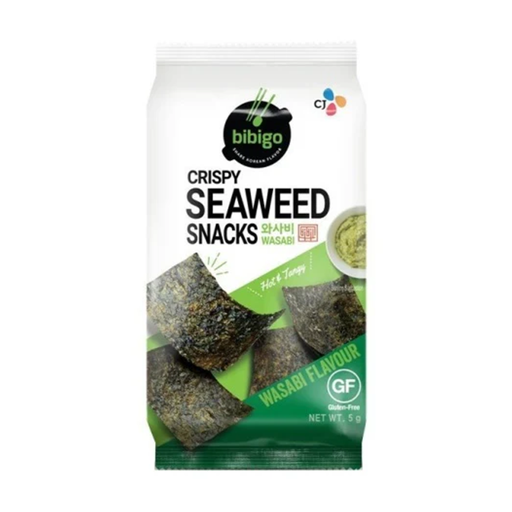
Why this fits the profile: The small portion makes it easy to try a Korean seaweed snack with wasabi without committing to a large pack straight away.
The net weight of 5 g is clearly stated. Sesame and mustard are also listed as allergens, so you can tailor your choice to your diet.
53% seaweed according to the product information, a pronounced wasabi flavour and a pack for one snacking occasion. The product information also states it is gluten-free and halal.
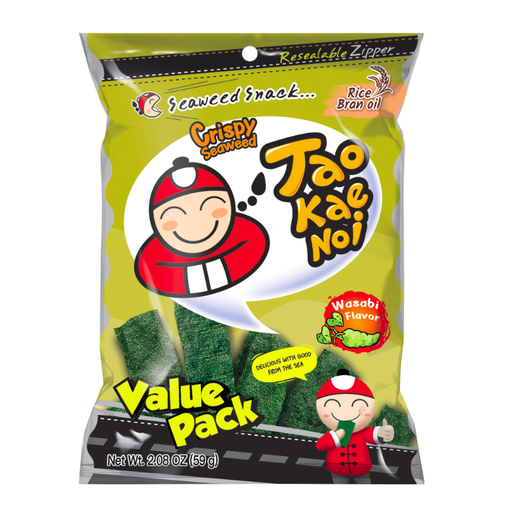
Why this fits the profile: The larger pack is ideal for fans of thin, crispy sheets with a clear wasabi kick.
The net weight of 59 g makes the contents easier to compare with small portion packs. The product description mentions roasted sheets and no major EU allergens.
59 g contents, a thin crispy texture and a combination of umami and wasabi. The product comes from Thailand.
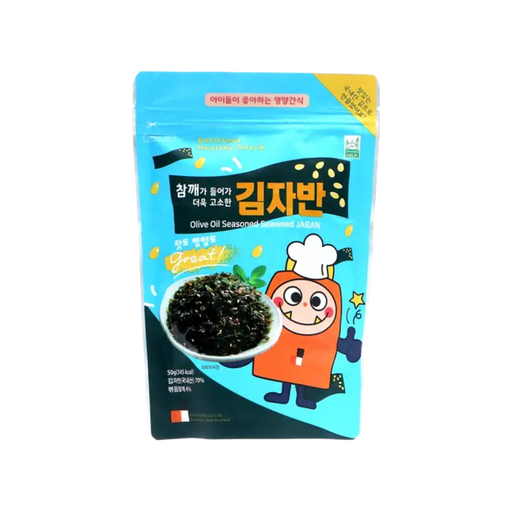
Why this fits the profile: This is especially suited to anyone who regularly uses seaweed over rice, noodles, sushi, soup or salad rather than just eating it from the bag.
The shredded form means you don’t have to break whole sheets. The resealable bag helps keep the contents dry after use.
50 g contents, olive oil as per the product name and ready to use as a gimjaban topping. The product information states it contains none of the 14 major EU allergens.
We’ve put together a full, up-to-date list of products that fully meet these strict selection criteria and comply with current European safety regulations.
A Korean snack often consists of thin, roasted and oiled sheets with salt, sesame or a strong seasoning. A Japanese version may be sold as a nori snack, but also as furikake for rice. The origin doesn’t tell you everything about the flavour; look mainly at the ingredients, seasoning and intended use.
Keep the packaging cool and dry, well sealed and away from steam. This is especially important in a humid kitchen. Use opened sheets quickly if possible, as the crispy texture can decline. Always follow the specific storage advice on the label.
That varies by product. A pure nori or seaweed mix can be vegetarian, but flavourings may contain soya, fish ingredients or other components. So check the ingredients list and any vegetarian labelling. When in doubt, the label is the best source.
