
Vandaag of morgen in huis

Kwaliteit gegarandeerd

Welkomstaanbiedingen ontgrendelen: GRATIS bezorging | Tot 80% korting | Gratis 30 dagen JoyPlus-proefperiode
Download de app
Seaweed snacks come in many varieties: thin roasted sheets, seasoned Korean portions, Japanese nori for sushi, and spicy snacks with wasabi or chilli. With such a wide selection, choosing is not always easy. A packet may look large, while containing very little product. Roasted seaweed is also sometimes sold as both a snack and a sushi ingredient, even though these two uses require different qualities.
Pay particular attention to size, quantity, ingredients, allergens and packaging. This helps you avoid paying for a flavour you do not enjoy or buying a product that quickly goes soft after opening.
With nori sheets, the number of sheets, weight and size of each sheet all matter. A packet containing 50 small portions is not directly comparable with 100 large sheets measuring 19 x 21 cm. So do not just look at the number of sachets or the dimensions of the packaging. Check:
For households, sushi evenings and food service use, a larger packet can be practical. For occasional snacking, individual portions are often more convenient.
Crispy seaweed may be plain, salted, sesame, teriyaki, wasabi or chilli flavoured. So check the ingredients list before ordering. A Korean seaweed snack often contains oil and seasoning, while Japanese nori for sushi usually has a simpler composition.
Also check the allergens. Some products contain sesame, soya, mustard, fish, crustaceans or gluten. Product information may sometimes state that a snack contains none of the 14 main EU allergens, but always check the current packaging. The manufacturer may change the recipe.
Seaweed absorbs moisture easily. An opened packet that is not properly sealed will quickly lose its crisp texture. Store roasted seaweed in a cool, dry place, away from sunlight, heat and steam.
With small sachets, this risk is limited because you eat a portion straight away. With a packet containing lots of nori sheets, resealable or airtight storage is more important.
Thin, seasoned sheets are suitable for eating straight from the packet. Consider wasabi seaweed, a spicy seaweed snack or a lightly salted version with sesame oil. These products are generally already seasoned and sold in small portions.
For sushi, kimbap and rice rolls, it is best to choose unsweetened, roasted nori sheets without strong added flavours. Pay attention to the sheet size. A sheet measuring around 19 x 21 cm provides enough space for sushi rolls, wraps or rice snacks.
The ingredients list gives you a more realistic picture than terms such as “light” or “authentic flavour”. Check whether palm oil, rapeseed oil, maize oil, olive oil or sesame oil has been used, for example. Also check the salt or sodium content in the nutrition table.
Nutritional values are usually listed per 100 grams. As a portion often weighs only a few grams, this figure does not directly show how much you consume in one sitting. Use it mainly to compare products with one another.
Individual 3 to 5 gram sachets are convenient for lunch boxes, eating on the go or a small snack. Packets weighing 32 to 59 grams are more suitable when you want to share several portions. For sushi or high-volume use, packets containing 50 to 100 sheets make more sense than individual snack sachets.

Why it suits this profile: The 32-gram packet is a manageable choice for anyone trying crispy seaweed for the first time and who would rather not buy a large pack.
The net weight is clearly stated. The original flavour means you do not immediately have to choose a strong wasabi or chilli variety.
32 grams of roasted seaweed with a crisp texture, in compact packaging that is convenient for eating on the go.
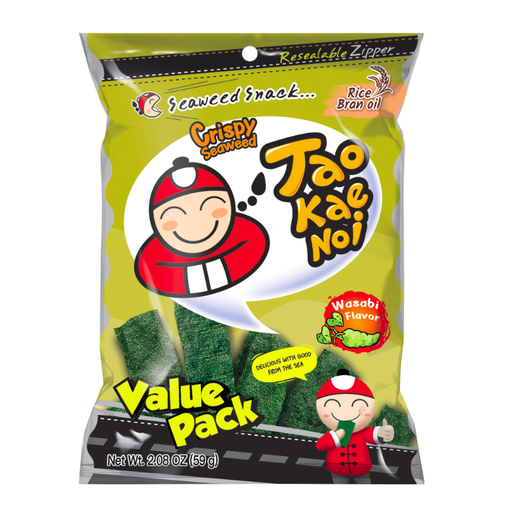
Why it suits this profile: Ideal for anyone who enjoys a distinctive Japanese flavour and a thin, crispy snack texture.
The flavour is specifically identified as wasabi. This makes it clear that it is not neutral nori for sushi.
59 grams of roasted sheets with a clearly seasoned wasabi flavour, according to the product description.
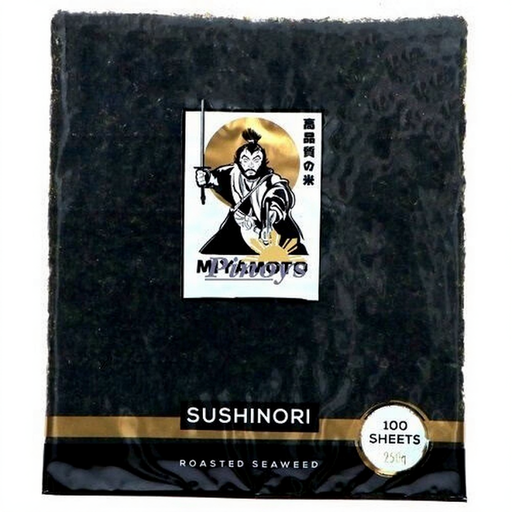
Why it suits this profile: A practical choice for regular sushi evenings, kimbap, wraps, rice dishes or professional use.
The quantity of 100 sheets and the size of 19 x 21 cm make the contents easy to verify, without relying on a large outer package.
100 large sheets, suitable for sushi and kimbap; according to the product information, the product consists of roasted seaweed.
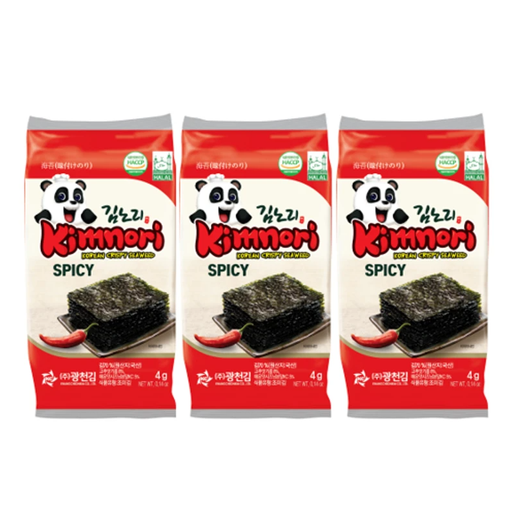
Why it suits this profile: Handy for anyone who wants to take small portions with them and is looking for a spicy Korean seaweed snack.
The total contents are divided into three 4-gram sachets. This keeps an unopened portion better protected from moisture for longer.
3 individual portions, a spicy flavour profile and a size that is ideal for snacking without leftovers.
We have put together a complete, up-to-date list of products that fully meet these strict selection criteria and the applicable European safety regulations.
When choosing vegan options, do not look only at the name. Check the ingredients and flavourings too. The product description may identify a product as suitable for vegans, but the current packaging remains the definitive source.
Not every seaweed snack is suitable for sushi. Seasoned varieties with wasabi, teriyaki or chilli can overpower the flavour of the rice and filling. For sushi, it is best to choose plain roasted nori sheets in a suitable size and check that they are sturdy enough to roll.
This depends on the packaging and exposure to moisture. Individual sachets generally retain their texture better while unopened. After opening, store any remaining sheets in an airtight container and eat them soon afterwards. Always refer to the best-before information on the packaging.
Seaweed snacks usually have a thin, crispy texture and a savoury umami flavour. However, nutritional values vary considerably between products because of the oil, salt and seasonings used. Compare the ingredients list and nutrition table rather than relying solely on terms such as “light” or “healthy”.
