
Vandaag of morgen in huis

Kwaliteit gegarandeerd

Welkomstaanbiedingen ontgrendelen: GRATIS bezorging | Tot 80% korting | Gratis 30 dagen JoyPlus-proefperiode
Download de app
Looking for a light, crispy bite to enjoy at home, on the go or at work? Seaweed snacks offer plenty of choice, from Korean seaweed snacks with wasabi to roasted seaweed for sushi. However, packaging can sometimes look bigger than the contents, while the word “premium” tells you little about the product you are actually buying.
Pay particular attention to the size, ingredients and intended use. This will help you avoid buying a seasoned snack when you actually need nori sheets for sushi, or ending up with a large pack that quickly goes soft after opening.
Thin seaweed sheets weigh very little. A pack containing several sachets can therefore look generous, even though the net contents are limited. Always check the net weight, number of portions and – for sushi nori – number of sheets.
A 5 g sachet is practical for a single snacking occasion. For a family, a party or regular sushi-making, a pack containing 10 or 100 sheets is often more sensible.
Seaweed absorbs moisture quickly. Its texture can change after opening, especially if the packaging is not properly sealed. Store roasted seaweed in a cool, dry place, away from direct sunlight and heat or moisture. Seal opened packaging securely and preferably consume the product soon afterwards.
A wasabi or chilli flavour usually means that oil, salt, spices and flavourings have been added alongside the seaweed. Check the ingredients list and allergen information. Various Korean snacks may contain sesame, mustard or soya.
Also pay attention to the difference between a seaweed snack and a snack with seaweed flavour. Rice crackers and potato crisps may contain roasted seaweed flavouring, but are made mainly from rice or potato.
For sushi, sheets measuring around 19 × 21 cm are practical. They provide enough surface area for rice, vegetables and other fillings. Seasoned snacks are usually thinner and less suitable for rolling tightly.
A product containing 100% roasted seaweed has a short ingredients list. In seasoned varieties, the seaweed content may be around 50 to 85%, supplemented with oil, salt, wasabi, chilli or other flavourings.
Also compare the nutritional values per 100 g. Because a portion weighs so little, the calorie count per sachet can sometimes appear low, while oil increases the fat content per 100 g. This is not a reason to rule out a product, but it is useful information for making a fair comparison.
Read the packaging before buying, especially if you have an allergy. Sesame oil and sesame seeds are commonly found in Korean seaweed snacks. Wasabi seasonings may also contain mustard. Some sushi nori products state that they may contain traces of fish or shellfish.
A product description may state that a snack is gluten-free, halal or vegan. If in doubt, check the current packaging and any certification. According to information provided by the brand or distributor, such a claim does not mean you can skip checking the ingredients list.
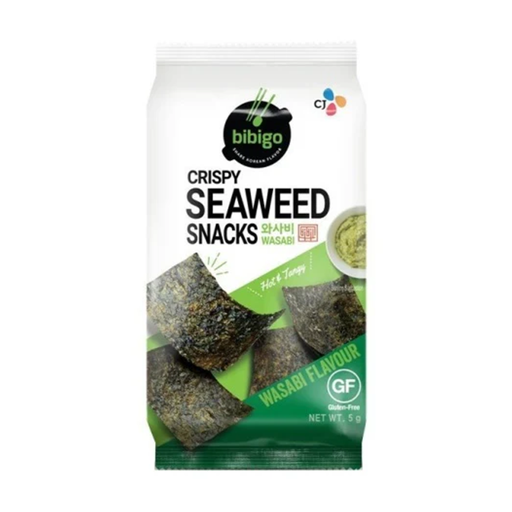
Why it suits this profile: The 5 g sachet is an easy way to try a Korean seaweed snack with a spicy wasabi flavour, without immediately buying a large supply.
The net weight is clearly stated. You therefore know in advance that this is a small snack portion, not a large bag of crisps.
53% seaweed according to the product information, and stated to be gluten-free and halal certified. It does contain sesame and mustard; check the label.
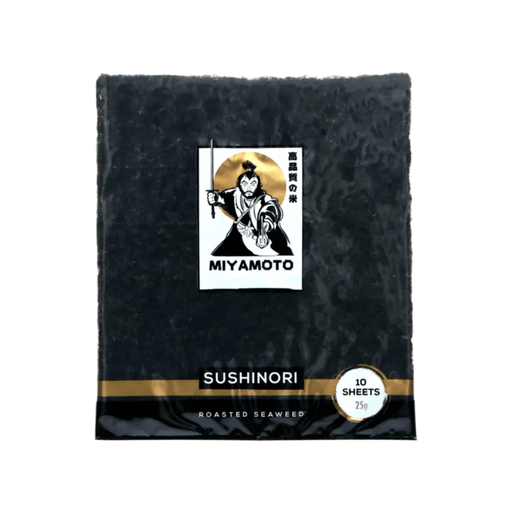
Why it suits this profile: These unseasoned nori sheets are ideal for making your own sushi, hand rolls and rice balls, as well as dishes where you want a pure umami flavour.
The pack states that it contains 10 sheets, and the product information says that no added artificial colours, flavourings or preservatives are used.
Roasted seaweed with a crispy texture; according to the product description, it is vegan and gluten-free. Possible traces of fish or shellfish are stated.
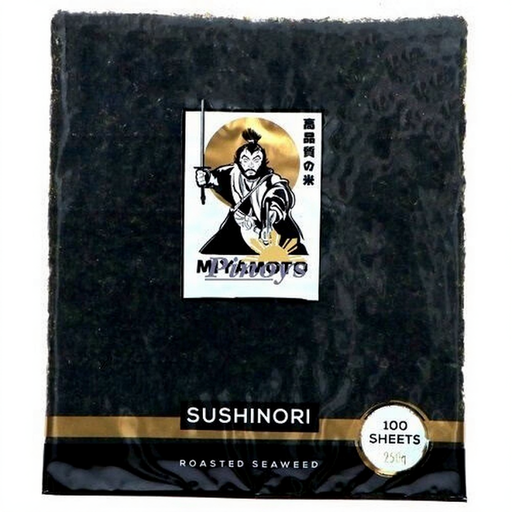
Why it suits this profile: The pack of 100 sheets measuring 19 × 21 cm is designed for frequent sushi-making, kimbap, wraps, dinner parties or food service.
The number and size of the sheets are clearly stated. This means you are not buying an unclear value pack containing mostly air or small snack pieces.
100% roasted seaweed according to the product information, with no major EU allergens stated. Suitable for sushi, kimbap and creative uses.
We have put together a complete, up-to-date list of products that fully meet these strict selection criteria and the applicable European safety regulations.
That depends on the ingredients. A snack containing only seaweed, oil, salt and plant-based seasonings may fit into a vegan diet. However, always check the current packaging. Flavourings such as fish extract, bonito or certain flavourings may be found in Asian snacks.
Store the pack in a cool, dry place away from direct sunlight. Seal an opened bag airtight, for example in a securely sealable storage container. Moisture makes the sheets less crispy. For the exact shelf life, check the best-before date on the packaging.
Sushi nori usually consists of unseasoned roasted seaweed in larger sheets. It is intended for wrapping rice and fillings. A crispy seaweed snack is often sold in smaller packs and contains oil, salt, wasabi, chilli or other seasonings. You eat it straight from the bag and it is less commonly used for sushi rolls.
Check the flavourings and allergens used. Wasabi, for example, may contain mustard, while chilli may be combined with sugar, oil or flavour enhancers. Also compare the portion size and salt content per 100 g, so you can assess different products fairly.
