
Vandaag of morgen in huis

Kwaliteit gegarandeerd

Welkomstaanbiedingen ontgrendelen: GRATIS bezorging | Tot 80% korting | Gratis 30 dagen JoyPlus-proefperiode
Download de app
Seaweed snacks are available as thin roasted sheets, seasoned Korean portions and distinctive varieties flavoured with ingredients such as wasabi, barbecue or durian. This can make comparing them difficult. A pack may look large, while its contents consist of small individual sachets. “Nori” also does not automatically mean that the product is suitable for sushi.
With this buying guide, you can focus on the factors that make the biggest difference in the Netherlands: intended use, quantity, ingredients, allergens and ease of storage.
A pack containing 100 sheets may initially seem more expensive, but the cost per sheet can actually be practical for a household that often makes sushi or kimbap. A small snack pack is usually intended for eating straight away and often contains several portions of a few grams each.
Therefore, compare:
A roasted seaweed snack usually consists of thin sheets that are heated until crisp. With a seasoned variety, ingredients such as oil, salt, sesame, sugar, chilli or other flavourings are added. A fried seaweed snack is prepared differently and has a different texture. Check the ingredients list rather than relying solely on the front of the packaging.
Brands may promote a flavour or product feature. According to a brand’s own research, for example, a product may be described as “healthy” or “light”, but this type of marketing language does not replace the nutrition table. Use the objective information on the label to make your choice.
Seaweed itself does not always contain allergens from the 14 main EU categories, but seasoned seaweed may contain sesame, soya or mustard. Bibigo Wasabi, for example, lists mustard and sesame; Kimnori BBQ lists sesame. Always check the current packaging, particularly if you have an allergy or food intolerance.
Also pay attention to salt. The stated values vary considerably by flavour and brand. Nutritional information is generally provided per 100 grams, while a snack sachet may contain only a few grams. So do not automatically apply the full table to a single portion.
For sushi, onigiri and kimbap, you will generally need full-sized sheets. Nori sheets measuring approximately 19 × 21 cm are suitable for wrapping rice and fillings. For eating straight from the pack, smaller individually wrapped sheets are more convenient.
Pay attention to the description:
A plain variety usually consists mainly of roasted seaweed and possibly salt. In a Japanese seaweed snack or Korean seaweed snack, oils and flavourings can significantly alter the taste.
Consider whether you prefer:
If you follow a vegan or vegetarian diet, it is best to check the full label. A flavour name does not always provide enough information about all the ingredients.
Crispy seaweed quickly goes soft when exposed to moisture. Choose packaging that suits the way you intend to use it. Individual sachets are convenient for lunch, eating on the go or managing your supplies. A large pack is more appealing for families, parties and food service, but seal it carefully after opening.
Store seaweed in a cool, dry place, away from direct sunlight and heat or moisture. Use an airtight container if the original packaging cannot be resealed properly. When your order arrives, check that the packaging is undamaged and follow the use-by or best-before date on the label.

Why it suits this profile: The three small portions are ideal for trying a Korean seaweed snack without immediately buying a large multipack.
The portion packaging makes the quantity clear. However, check the current packaging, as product information may state different portion sizes.
Sesame flavour, three separate sachets and a net quantity that, according to the product information, comes in small snack-sized portions.
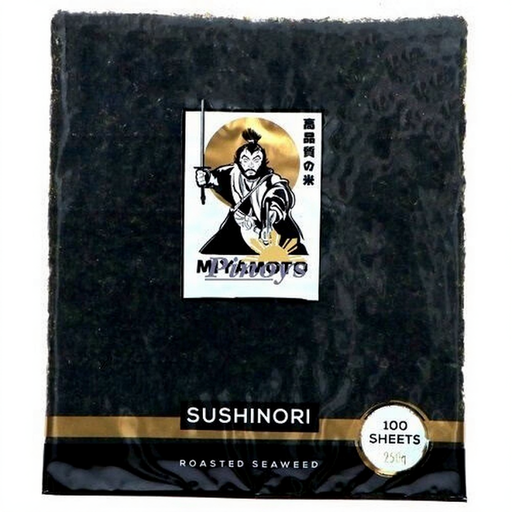
Why it suits this profile: If you regularly make sushi, kimbap or rice wraps, 100 large sheets provide a supply for a range of preparations.
The dimensions of 19 × 21 cm and the quantity of 100 sheets are clearly stated. This means it is not a small snack pack that you are trying to use for sushi.
Roasted sheets, a large format and packaging that, according to the product description, is suitable for families, parties and food service.
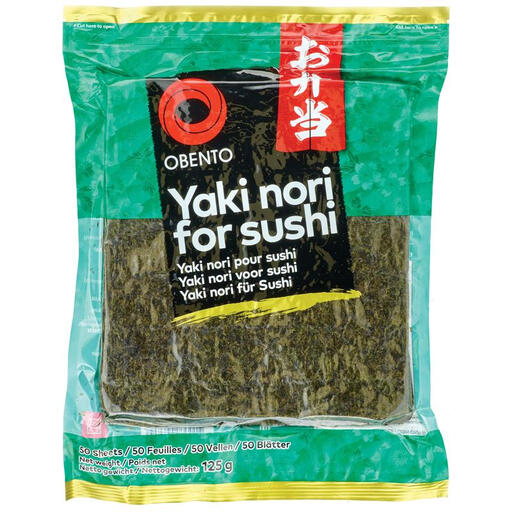
Why it suits this profile: This format is ideal for anyone preparing several sushi rolls, rice balls or catering portions one after another.
The quantity of 50 sheets and the total weight of 125 grams are visible at a glance. This helps you estimate how much stock you are actually buying.
Yaki nori with 50 roasted sheets, suitable for sushi and snacks; the product information states that it contains none of the 14 main EU allergens.
We have put together a complete, up-to-date list of products that fully meet these strict selection criteria and the applicable European safety regulations.
Nori is dried seaweed that is often used as a sheet for sushi, maki and onigiri. A seaweed snack is usually roasted and may be seasoned with oil, salt, sesame, chilli or other flavourings. Nori sheets are therefore often an ingredient, while a snack is generally eaten straight from the pack.
Store the unopened pack in a cool, dry place, away from moisture and direct sunlight. After opening, seal the pack carefully or use an airtight container. This helps prevent the thin sheets from losing their crisp texture. Always check the storage instructions and use-by or best-before date on the packaging.
First decide how you intend to use the product. Choose full-sized sheets for sushi and rolls, small portions for eating on the go, and seasoned flakes as a topping. Then compare the net quantity, flavour, ingredients, allergens and salt content. This helps you choose a product that suits the occasion and prevents you from paying for a format you will not use.
