
Vandaag of morgen in huis

Kwaliteit gegarandeerd

Welkomstaanbiedingen ontgrendelen: GRATIS bezorging | Tot 80% korting | Gratis 30 dagen JoyPlus-proefperiode
Download de app
Seaweed snacks come in many forms: thin toasted sheets, spicy kelp, crispy tempura chips and seasoned rolls. That can make choosing difficult. A packet labelled “light”, “crispy” or “healthy snack” doesn’t tell you enough about the taste, texture, portion size or ingredients.
As Joybuy’s Product Recommendation Officer, I filter the most important product information so you can compare with confidence. Below, you’ll find out what to check before buying a seaweed snack, and which options suit different occasions.
A crispy seaweed snack can be made from toasted nori, but it can also be seaweed with oil, batter or an extra layer of seasoning. Yamaei Nori Ten Chips, for example, contains wheat flour, vegetable oil and tempura batter. According to the product information, the nutritional value is 588 kcal per 100 grams.
That makes these chips quite different from a thin sheet of toasted nori. So don’t just look at the front of the packet – check the ingredients list and the nutritional information table too.
Nori is usually thin, dry and brittle. Kelp is often firmer and can be chewy, juicy or crunchy, depending on how it’s prepared. A Chinese kelp snack isn’t automatically a suitable substitute for Japanese nori used in sushi.
Look out for words like:
A 400-gram packet might seem good value, but once opened, the texture can change quickly. With Wei Long Fengchi Kelp 400 g, the product states that it must be refrigerated after opening and used within seven days. Smaller individually wrapped portions are more convenient for on-the-go or in a lunchbox.
Always check the full ingredients list, especially with spicy seaweed snacks. Many products contain soya, sesame, mustard or wheat. Yamaei Crunchy Nori Ten Chips Wasabi contains wheat, egg and soya, among other things. Bestore Kelp-Free Spicy Flavor contains soya and wheat/gluten. “Kelp-free” in the product name doesn’t mean the product is free from other allergens.
If you’re unsure about allergies, you should check the packet. The information on a web shop can change, and the current packaging is what counts.
Seaweed itself doesn’t tell you much about the overall nutritional value of a snack. Seasoning, oil, sugar and sauces can change the profile significantly. The stated values are usually per 100 grams, while a bag contains multiple portions.
Examples from the product information:
If you’re looking for a healthy snack, it’s worth comparing the nutritional values objectively. A product with few calories can still be relatively high in salt. A snack with little sugar might contain more oil instead.
Choose the format based on how you’ll use it:
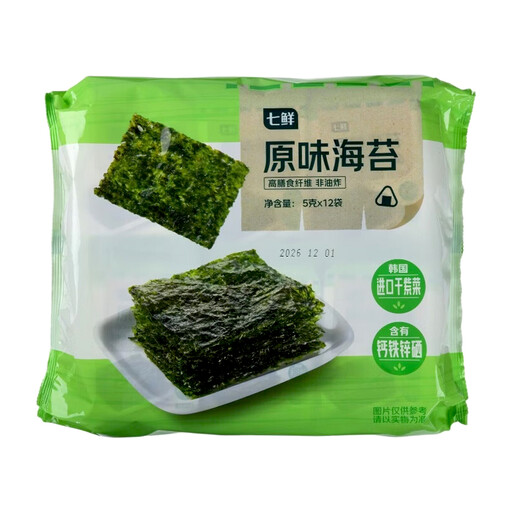
Why this fits: An accessible choice for anyone trying Korean seaweed or a ready-to-eat snack for the first time. The 60-gram packet is suitable for home, work or a lunchbox.
The product information mentions individually wrapped portions, so you don’t have to store a large opened bag straight away.
Made from dried nori with corn and sesame oil; according to the product information, it contains 17.1 grams of protein per 100 grams.
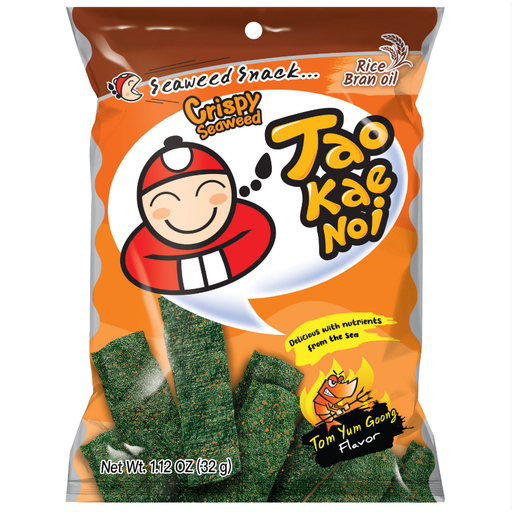
Why this fits: For snackers who want more than just a salty nori flavour. According to the product description, the tom yum seasoning combines sour-spicy Thai flavour notes with crispy seaweed.
The 32-gram size makes it easier to judge your portion in advance than with a large sharing bag.
The ingredients list states 85% seaweed and a tom yum seasoning that includes prawn powder; not suitable for anyone avoiding animal ingredients.
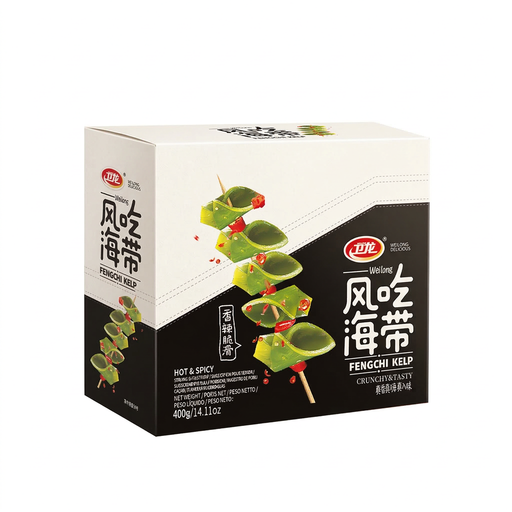
Why this fits: The packet contains 20 portions and is designed for regular snacking, sharing or serving with rice, noodles and congee.
The portion packaging means you don’t have to take a full amount from one opened bag every time.
Contains 76% kelp according to the product information, with a flavour profile of chilli, pickled ginger and Sichuan pepper. Keep refrigerated after opening and use within seven days.
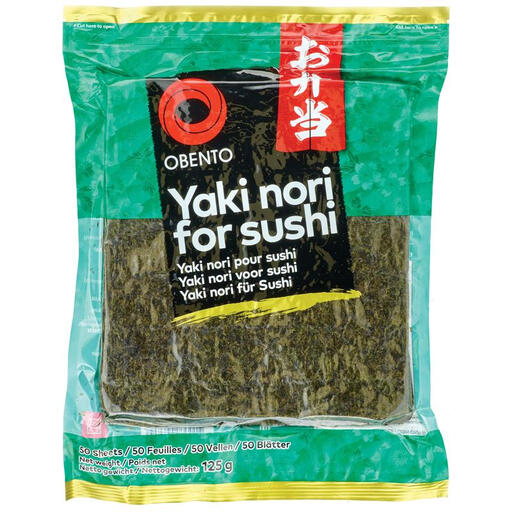
Why this fits: A bulk pack for sushi, onigiri, hand rolls, rice bowls and simple nori snacks at home.
You’re not buying a seasoned snack when you need neutral toasted nori for dishes.
50 sheets totalling 125 grams; the product information mentions use for sushi and snacks. Store in a dry place and seal the packet well.
Browse a current selection of products and compare flavour, size, ingredients and usage before you order.
Yes, individually wrapped nori or small packets are especially practical for on-the-go. Check whether the packet is resealable. Toasted nori can quickly go soft if it comes into contact with moisture. So take an opened bag with you in a well-sealed container if possible.
Nori is usually a thin seaweed sheet that is toasted and often used for sushi. Kelp is firmer and in snacks is often marinated, seasoned or processed into pieces and knots. A nori snack is typically brittle and light; a kelp snack can be chewy or juicy instead.
Store dry nori, toasted seaweed and chips in a cool, dry place away from direct sunlight. Seal the packet well to keep the texture. For products with moist kelp or sauce, follow the instructions on the packet; some varieties need to be refrigerated after opening and used within a few days.
