
Vandaag of morgen in huis

Kwaliteit gegarandeerd

Welkomstaanbiedingen ontgrendelen: GRATIS bezorging | Tot 80% korting | Gratis 30 dagen JoyPlus-proefperiode
Download de app
Seaweed snacks come in many forms: thin roasted sheets, seasoned Korean snacks, Japanese nori sheets and crispy seaweed chips with wasabi, chilli or Thai flavours. Yet a striking packet tells you little about what you’re actually buying. A small portion can be high in oil or salt, while a large pack isn’t always suitable for sushi.
With these buying tips, you can compare flavour, texture, packaging, usage and allergens before you order.
A pack with lots of sheets may look appealing, but consider how you’ll use it. Miyamoto Roasted Seaweed contains 100 sheets measuring 19 × 21 cm. That’s practical for families, parties, meal prep and anyone who makes sushi regularly. For someone who just wants to try a snack occasionally, a smaller pack might be more convenient.
So compare:
Not every snack with a seaweed taste is primarily made from seaweed. Lay's Potato Chip Bucket Grilled Seaweed, for example, is a potato snack with roasted seaweed flavouring. Koikeya Potechi Wasabi Nori is also potato chips with wasabi and seaweed flavourings.
If you want a genuine nori snack, check the ingredient that appears first on the list. With a roasted seaweed sheet, you’d expect seaweed as the main ingredient. With chips, potato, oil or tempura batter may form the base.
A Japanese seaweed snack is often lightly roasted and has a dry, crunchy texture. A Korean seaweed snack frequently contains oil, salt, sesame or seasonings. A Thai seaweed snack can have bold flavours such as wasabi, tom yum, chilli or durian.
Also pay attention to the portion size. You might eat a spicy snack differently from neutral roasted seaweed sheets that you use with rice or sushi.
Always read the label on the packet. Possible allergens in this range include:
Product information can change. The packet is therefore the definitive source, even if the online product page shows an allergen overview.
For a nori snack, you’re usually looking for thin, roasted sheets that can be eaten straight from the packet. For sushi, sturdy sheets are more practical. Look out for terms such as:
Moisture is the biggest enemy of crispy seaweed. Store opened packs tightly sealed, in a cool, dry place away from sunlight and heat.
Seaweed itself is light, but oil, sugar, seasonings and salt can significantly affect the nutritional values. Check per 100g and per portion for:
Some product descriptions note that seaweed naturally contains iodine. Sempio therefore advises consuming the product in moderation. So treat seaweed snacks as part of a varied diet and follow the instructions on the packet.

Why this fits the profile: The three small portions are manageable for anyone wanting to try a Korean seaweed snack without committing to a large pack.
The pack is divided into 5g portions. The ingredients list shows seaweed, rapeseed oil, sesame oil and salt, so you can easily assess the flavour profile.
Three separate portions and a clear sesame flavour. Please note: this product contains sesame.
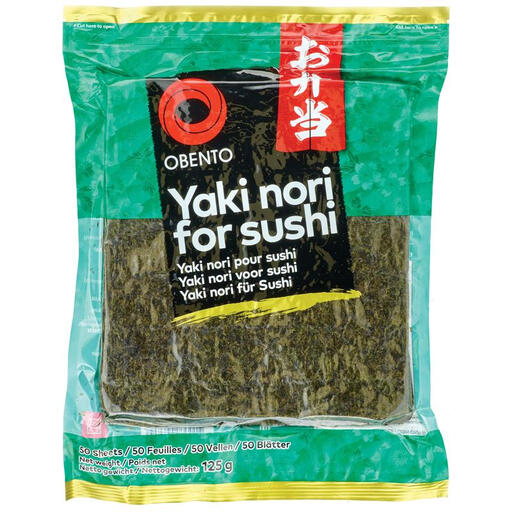
Why this fits the profile: This is a practical choice for home cooks who want to make sushi nori, rice rolls and simple seaweed dishes.
The pack states 50 sheets and 125g. This means you can plan the quantity for your sushi or meal prep in advance, rather than relying solely on the front of the packet.
Roasted sheets for sushi and snacking, with no declared allergens from the 14 major EU allergens. Store dry and tightly sealed.
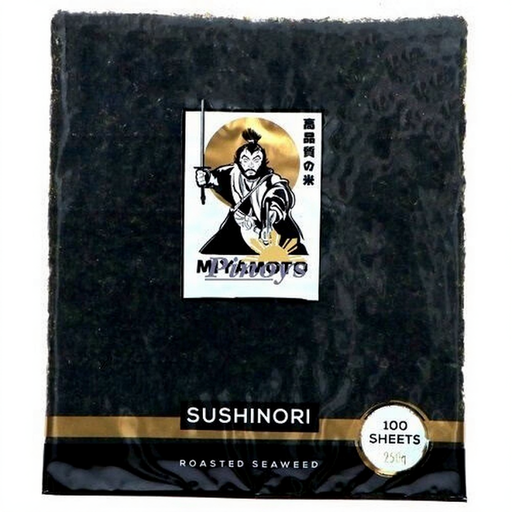
Why this fits the profile: The quantity and size are suitable for regular sushi making, kimbap, wraps, parties or larger households.
The product description mentions 100 sheets of 19 × 21 cm and roasted seaweed leaves. So you know in advance that this is a multi-purpose ingredient, not small snack portions.
Large sheet for sushi, kimbap and wraps; the ingredients list states roasted seaweed leaves as the sole ingredient.
We’ve put together a full, up-to-date list of products that fully meet these strict selection criteria and comply with current European safety regulations.
Not every snack is suitable for this. Use seaweed for sushi, sushi nori or yaki nori. Seasoned snack sheets may contain oil, sugar, chilli or sesame and are therefore less suitable for classic sushi.
Store seaweed in a cool, dry place away from direct sunlight. Seal the packet carefully or use an airtight container. Moisture quickly makes thin sheets less crispy. Always check the packet for the exact shelf life.
That depends on the product and the portion. Plain seaweed sheets have a different composition to chips with oil, sugar and seasonings. Compare the nutritional information table and pay particular attention to salt, fat and portion size. The term “healthy Asian snack” is therefore not a fixed product characteristic, but a choice that depends on your overall diet.
