
Vandaag of morgen in huis

Kwaliteit gegarandeerd

Welkomstaanbiedingen ontgrendelen: GRATIS bezorging | Tot 80% korting | Gratis 30 dagen JoyPlus-proefperiode
Download de app
Looking for a savoury, crispy snack that’s a little different? The seaweed snack, also known as a nori snack or seaweed crisps, is becoming increasingly popular. But with an expanding market, it's also more challenging to choose wisely. Many products look similar, and marketing promises can be misleading. As a Joybuy Product Recommendation Officer, I'll help you filter through the information so you can choose a snack that truly suits you, without falling into the usual traps.
Before you add a seaweed snack to your cart, it's good to know what to look out for. Many consumers base their choice on packaging or marketing claims, only to find out later that the product doesn't meet their expectations.
Pitfall 1: The "Healthy" Snack That's Loaded with Salt and Oil Seaweed is often presented as a healthy alternative to traditional crisps. While seaweed naturally contains nutrients, the final product depends heavily on its preparation method. Some seaweed crisps are deep-fried in palm oil and contain high levels of salt or flavour enhancers (like E621). A snack marketed as "healthy" can thus inadvertently contain more fat and salt than you'd want.
Pitfall 2: The Wrong Texture for Your Expectations Not all seaweed snacks are the same. The term "crispy seaweed" can refer to paper-thin, roasted sheets (nori), but also to thicker, chewier strips (kelp). If you're looking for a light, brittle snack and you accidentally buy a marinated kelp snack, it can be a disappointment. Texture is a defining factor in the eating experience, but it's not always clearly described on the packaging.
To avoid these pitfalls, there are a few specific details you can check before making a purchase.
The base of your snack determines its texture and, in part, its flavour. The two most common types are:
A quick glance at the ingredient list tells you a lot. Pay special attention to:
To help you with your choice, we've matched some popular options to different preferences.

Why This Fits Their Persona: Ideal for those seeking an authentic Korean seaweed snack without an overwhelming array of flavours. The focus is on the pure taste of roasted seaweed, enhanced with the nutty notes of sesame oil.
This product bypasses the "health pitfall" with a short and clear ingredient list: seaweed, rapeseed oil, sesame oil, and salt. No hidden sugars or flavour enhancers.
Classic, light, and crispy nori texture. The combination of rapeseed and sesame oil provides a balanced flavour.
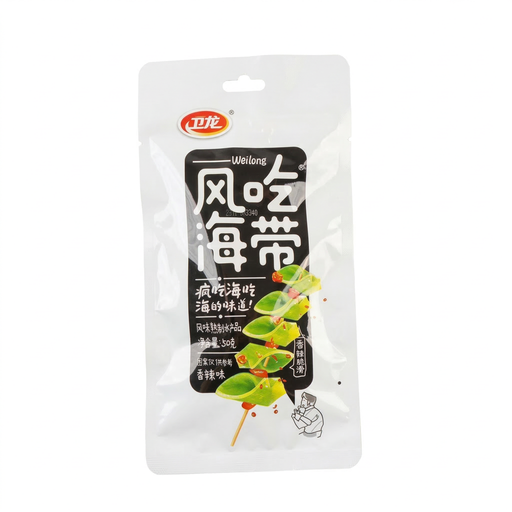
Why This Fits Their Persona: For those who want something different from the standard thin seaweed crisps. This snack offers a completely different experience with its thicker, chewier texture and a distinctively spicy and sour flavour.
This product completely avoids the "texture pitfall." It is clearly a kelp product, not thin nori. The flavour is complex and layered, exactly what an adventurous eater is looking for.
Unique, firm, and chewy texture. The spice blend with chilli and pickled ginger creates an authentic, savoury taste experience.
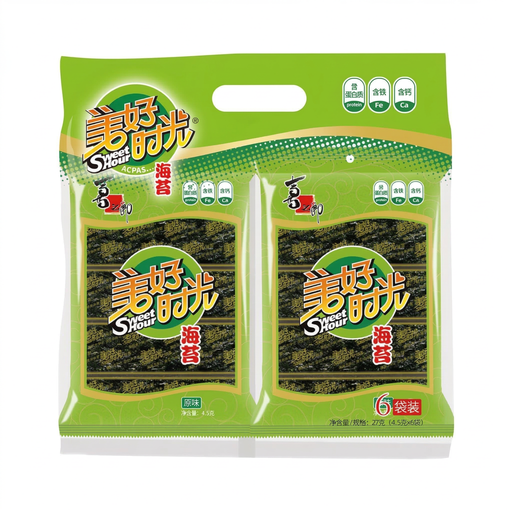
Why This Fits Their Persona: Perfect for lunchboxes, in a bag for on-the-go, or for parents looking for a portion-controlled snack. The individual packs keep the snack fresh and crispy.
This product solves the problem of freshness and portion control. You don't have to open a large bag that will quickly go stale. Each portion is just right for a single snack time.
Convenient multipack with 6 individually wrapped portions. The classic umami flavour (soy sauce and sugar) is approachable and not too extreme.
We have compiled a complete, real-time list of products that fully satisfy these strict selection criteria and UK safety regulations.
It depends. Seaweed itself is a source of minerals. A roasted seaweed snack without too many additives can be a light option. However, pay close attention to the ingredient list. Products with a lot of added oil, high salt content, or flavour enhancers are more of a treat than a daily healthy snack. Compare it with other healthy Asian snacks and make an informed choice.
Seaweed snacks, especially the thin nori varieties, absorb moisture quickly, causing them to lose their crispiness. Always store an opened package in an airtight container or seal the bag as tightly as possible with a clip. Keep it in a cool, dry place, away from direct sunlight.
While there are many variations, there is a general distinction. Korean seaweed snacks (known as 'gim') are often minimalist: thinly roasted with a little salt and sesame oil. Thai brands, like the well-known Tao Kae Noi, are famous for experimenting with a broader range of flavours, such as tom yum, sriracha, or even a crispy batter coating. The choice, therefore, depends on whether you are looking for a pure or a more pronounced flavour.
