
Vandaag of morgen in huis

Kwaliteit gegarandeerd

Welkomstaanbiedingen ontgrendelen: GRATIS bezorging | Tot 80% korting | Gratis 30 dagen JoyPlus-proefperiode
Download de app
Seaweed snacks have become a staple on store shelves. From crispy sheets as a chip alternative to flavorful flakes over your rice bowl. But anyone who has ever bought seaweed knows that not all snacks are created equal. The disappointment of a soggy bite when you expected a crispy one, or a flavor that doesn't match the packaging at all, is a common problem.
As a Joybuy Product Recommendation Officer, I'll help you cut through the marketing hype. We'll look at what really matters so you can find exactly what you're looking for, whether you're a seasoned fan of Korean snacks or trying seaweed for the first time.
Before you fill your cart, it's wise to be aware of a few pitfalls. Many buyers make the same mistakes, leading to waste and disappointment.
To avoid these mistakes, you don't need to be a label expert. Pay attention to the following three points, and you'll know exactly what you're getting.
The texture and flavor of your snack are largely determined by the type of seaweed.
Decide in advance what you want to do with the seaweed.
Don't be fooled by the front of the package. The ingredient list tells the real story. Look for specific flavorings like gochujang powder, tom yum spices, chili powder, or sesame oil. If it just says "flavorings," there's a higher chance of a one-dimensional taste.
Based on these criteria, we've selected a few products that suit different needs and users.
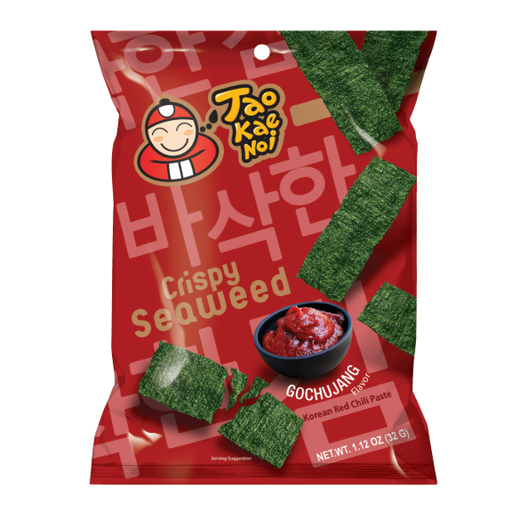
Why This Fits Their Persona: Perfect for those tired of the standard salted seaweed snack. This product delivers a specific, sweet-and-spicy Korean flavor that is instantly recognizable. It's a bold snack for drinks or when you're craving something with character.
This product bypasses the 'vague flavor promise' trap. The ingredient list specifies "gochujang flavor seasoning powder," ensuring you get the authentic taste and not a generic 'spicy' version.
Distinct and layered flavor. The texture is crispy and light, just as you'd expect from a quality nori snack.
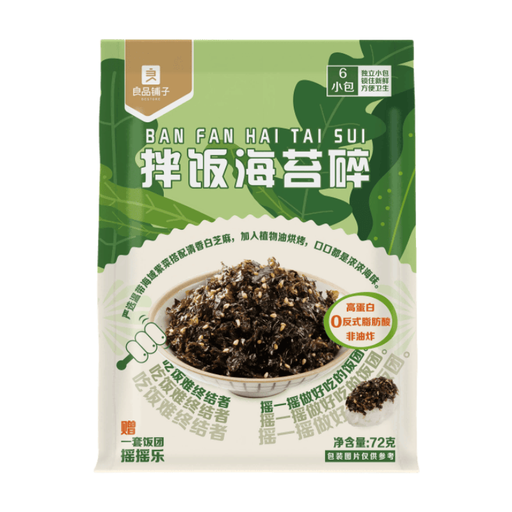
Why This Fits Their Persona: For those who want to add an extra dimension to their meals. These seaweed flakes aren't meant as a snack, but as a versatile topping. Ideal for quickly and easily adding an umami crunch to rice, noodles, salads, or soups.
This product avoids the 'texture trap.' It's clearly positioned as flakes, not sheets. Furthermore, the resealable packaging tackles the freshness problem, ensuring the flakes stay crispy.
Highly versatile in the kitchen. The mix with rice provides an extra crispy texture. The packaging is practical for repeated use.
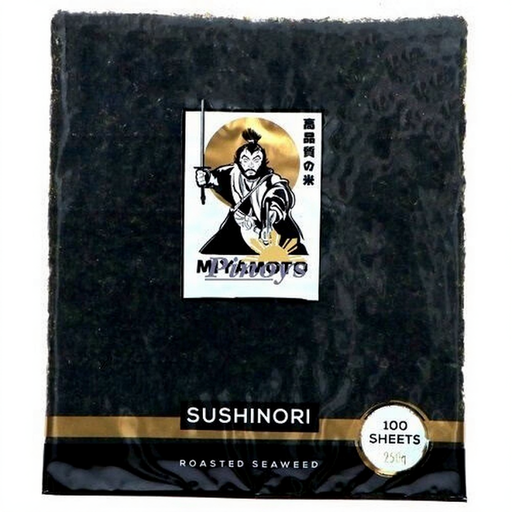
Why This Fits Their Persona: For anyone serious about making sushi, kimbap, or onigiri at home. This bulk pack of 100 sheets is exactly what you need: pure, unprocessed nori sheets of a consistent size (19x21cm).
This product is the definition of 'the right product for the right purpose.' These are not seasoned, brittle snack sheets. The product name and specifications ("100 Sheets," "Roasted Seaweed") make it immediately clear that this is intended as a cooking ingredient.
Excellent value for a large quantity. The sheets are pure and unsalted, giving you complete control over the flavor of your dish.
Didn't find what you were looking for? Many more varieties are available, from savory toppings to spicy snacks. Explore our full range to find the perfect match for your taste.
1. What is the difference between seaweed for sushi and seaweed snacks?Sushi seaweed (also known as yaki nori) consists of large, uncut, and usually unseasoned nori sheets. These are sturdy enough to roll ingredients without tearing. Seaweed snacks, on the other hand, are smaller, seasoned, and extra-crispy pieces of roasted seaweed. They are too brittle to roll and are meant to be eaten directly.
2. How do I store opened seaweed snacks to keep them crispy? The key is to keep them away from moisture. Store opened snacks in an airtight container or their original resealable packaging. A cool, dark, and dry place, like a kitchen cabinet, is ideal. Do not store them near a kettle or stovetop.
3. Is a kelp snack the same as a crispy nori snack? No, there is a major difference in texture. Crispy snacks are almost always made from nori (red algae). A kelp snack is made from kelp (brown algae), which naturally has a thicker, 'meatier,' and often chewier texture. Kelp is typically marinated and eaten as a type of salad or side dish, whereas nori snacks are eaten just like chips.
