
Vandaag of morgen in huis

Kwaliteit gegarandeerd

Welkomstaanbiedingen ontgrendelen: GRATIS bezorging | Tot 80% korting | Gratis 30 dagen JoyPlus-proefperiode
Download de app
Seaweed snacks have become a staple on snack aisles. What once was a speciality item in Asian supermarkets is now a popular choice for anyone craving a savoury, crispy snack. But with growing popularity comes growing confusion. One "healthy" snack turns out to be loaded with salt and oil, while another's promise of "crispy" results in a chewy bite.
As a Joybuy Product Recommendation Officer, I'm here to help you cut through the marketing jargon. Before you buy seaweed snacks, it's wise to be aware of a few common pitfalls.
To make a choice that suits your taste and preferences, it's helpful to pay attention to a few specific details. This will help you find exactly what you're looking for, whether that's light nori snacks or more substantial crunchy seaweed bites.
Texture defines the snacking experience. The preparation method has the biggest impact here.
The term healthy savoury snacks is relative. Always look at the ingredients list and the nutritional information table on the back. Pay specific attention to:
The origin often gives a hint about the expected flavour profile.
Below are a few recommendations, tailored to different preferences. These aren't "winners," but examples of products that are a good fit for a specific type of snacker.

Why This Fits Their Persona: Ideal for those seeking a direct alternative to potato crisps. This snack is straightforward: thin, crispy, and savoury. No complex flavours, just the pure umami of roasted seaweed with a pinch of salt.
This product sidesteps the "health" trap by being transparent. It's a light, roasted snack, not fried, and its sugar content is very low according to the specifications (<0.1 g per 100 g).
The texture is very brittle and light, exactly what you expect from a classic nori snack. The convenient packaging makes it an easy snack for on the go.
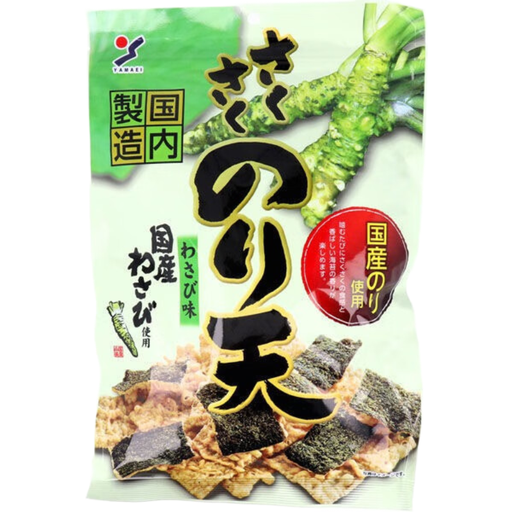
Why This Fits Their Persona: For those looking for a snack with a kick. This Japanese snack combines the umami of seaweed with a light tempura batter and the sharp, tingling flavour of wasabi. A completely different experience from a standard savoury snack.
This product avoids the texture disappointment. The tempura batter ensures a guaranteed crispy and substantial bite that doesn't go soft quickly, unlike some thinner, roasted sheets.
The combination of the crispy tempura and the spicy wasabi creates a distinct flavour profile. The ingredients list clearly states the presence of wheat and soy.
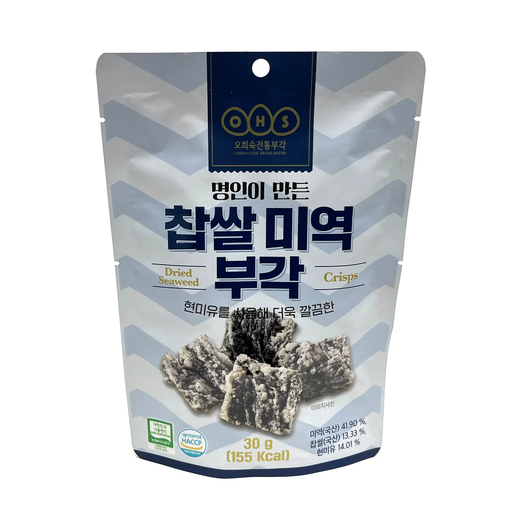
Why This Fits Their Persona: For those who find paper-thin nori sheets unsatisfying. This Korean snack is a baked crisp, made from kelp and glutinous rice. This provides a thicker, harder, and more satisfying 'crunch' than a standard sheet of seaweed.
This product is the solution to the texture disappointment. The combination of kelp with rice and potato starch delivers a robust crisp that holds its crunch well and offers more substance per bite.
The unique, double-layered structure provides an extra crispy experience. According to the specifications, the product contains no sugar, making it a purely savoury snack.
This is just a sample of what's available. There are many more flavours and textures to discover, from spicy sriracha to sweet teriyaki.
That depends entirely on the product. Roasted seaweed snacks are often lower in calories and fat than traditional potato crisps. However, fried or tempura-style seaweed can contain similar amounts of fat and calories. The key is to check the nutritional information table for fat, salt, and sugar content.
Moisture is the greatest enemy of crispy seaweed snacks. Once the package is opened, it's best to store the snacks in an airtight container or bag in a cool, dry place. For optimal crispiness, it's best to eat them soon after opening.
Although there is a lot of variation, there are some general differences. Korean seaweed snacks (often called "gim" or "kim") are typically seasoned with sesame oil and salt, giving them a nutty and savoury character. Japanese snacks (often called "nori") have a wider range of flavours, including the classic combination of soy sauce and mirin (teriyaki) or the sharp taste of wasabi.
