
Vandaag of morgen in huis

Kwaliteit gegarandeerd

Welkomstaanbiedingen ontgrendelen: GRATIS bezorging | Tot 80% korting | Gratis 30 dagen JoyPlus-proefperiode
Download de app
Seaweed snacks are popping up everywhere, from supermarkets to online specialty stores. The promise of a crispy, savoury, and unique umami flavour is tempting. But the vast selection can also be overwhelming. Not every bag delivers the snacking experience you expect. Some snacks are surprisingly chewy, others taste mostly of salt and oil, and some fall apart after a single bite.
As a Joybuy Product Recommendation Officer, I'll help you cut through the marketing jargon. We'll look at the facts so you can make a choice that suits your taste and preferences. Let's discuss the two most common pitfalls that lead to a disappointing purchase.
To avoid wasting money, there are a few specifications you should always check. These determine the flavour, texture, and overall quality of the snack.
The foundation of the snacking experience lies in the type of seaweed. The texture and flavour differ significantly:
Check carefully whether you are buying a pure seaweed snack or another snack with seaweed flavour. Many products on the market are actually rice crackers, corn snacks, or potato chips with seaweed seasoning. There's nothing wrong with them, but it's a different experience.
To help you get started, we've highlighted some popular choices and matched them with different flavour profiles.
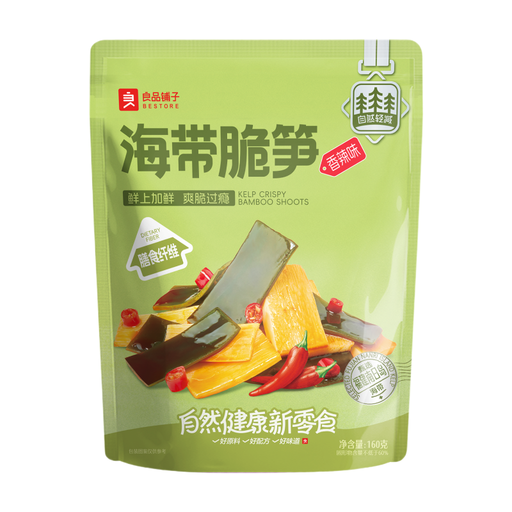
Why This Fits Their Persona: Perfect for those looking for more than just a simple chip. This snack combines the savoury flavour of kelp with the crunchy texture of bamboo shoots, finished with a spicy kick. A complex and surprising snacking experience.
This product sidesteps the texture letdown. The name and description immediately clarify that it's a mix of kelp and bamboo, so you expect a unique, dual texture instead of a standard chip.
Dual texture: The combination of chewier kelp and crispy bamboo is unique. Clearly spicy: The spicy flavour is present without being overpowering.
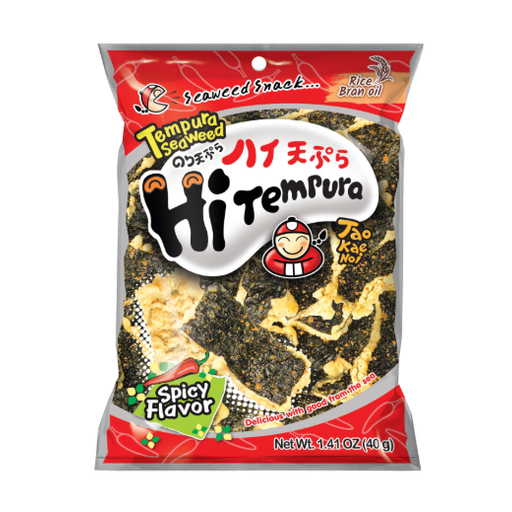
Why This Fits Their Persona: For those who love a serious crunch. The tempura batter provides a light, extra-crispy texture reminiscent of prawn crackers or fried snacks. The spicy aftertaste makes it an addictive Asian snack.
This product avoids the 'health halo' trap. The term "Tempura" clearly indicates that the product is fried. This way, you know you're buying a treat, not a low-calorie snack, which correctly manages expectations.
Extra crispy: The tempura batter provides a superior crunch. Approachable flavour: A great introduction to seaweed snacks for beginners.
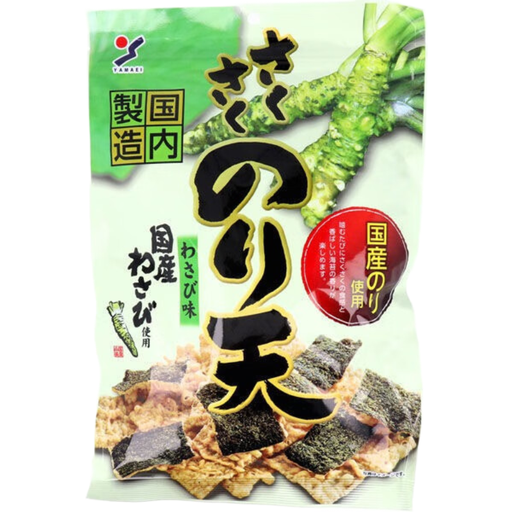
Why This Fits Their Persona: For those specifically seeking the sharp, tingling flavour of wasabi. This Japanese snack combines the crispiness of tempura nori with a powerful wasabi seasoning that awakens the senses.
This product is crystal clear about its flavour profile. The name "Wasabi" is featured prominently, avoiding the pitfall of a vague or disappointing taste. You know exactly what sharp kick to expect.
Powerful wasabi flavour: Delivers the authentic, sharp taste you're looking for. Crispy tempura texture: The combination of nori and tempura batter ensures a satisfying crunch.
We have compiled a complete, up-to-date list of products that fully meet these strict selection criteria and current regulations.
The main difference is in the texture and thickness. Nori snacks are made from thin, roasted sheets of seaweed, making them light and crispy, similar to a very thin chip. Kelp snacks are made from a thicker type of seaweed. They are often marinated and have a firmer, somewhat chewy texture. If you're looking for a pure crunch, choose nori. For a firm, savoury bite, kelp is a better choice.
That depends entirely on the type of snack and its preparation method. Simple, roasted nori snacks are often low in calories and fat. However, tempura seaweed and other fried seaweed chips can be comparable to traditional potato chips in terms of fat and salt content. The rule of thumb is to always check the nutritional information label on the back of the package. Pay specific attention to the fat (and saturated fat) and salt (sodium) content.
Seaweed snacks, especially the crispy varieties, quickly absorb moisture from the air. This makes them soft and chewy. To preserve the crunch, it's best to store an opened package immediately in an airtight container or bag. Keep them in a cool, dry place, away from direct sunlight.
