
Vandaag of morgen in huis

Kwaliteit gegarandeerd

Welkomstaanbiedingen ontgrendelen: GRATIS bezorging | Tot 80% korting | Gratis 30 dagen JoyPlus-proefperiode
Download de app
A seaweed snack may seem simple: thin sheets, a little oil and some seasoning. Yet products vary considerably in size, seasoning, portion size and intended use. A small pack can be handy for eating on the go, while loose nori sheets are better suited to sushi or onigiri.
When comparing products, do not focus solely on words such as “crispy”, “premium” or “light”. Check the ingredients list, nutritional information and quantity per pack in particular. This helps you avoid paying for marketing when the snack is not suitable for how you intend to use it.
A pack containing lots of portions may seem appealing, but seasoned seaweed quickly loses its crisp texture once the packaging has been opened. A large pack can be practical for a family or regular use. If you only snack occasionally, individually wrapped portions may be a better choice.
Compare the price per gram, rather than just the pack price. A multipack with 3 to 5 g sachets is also easier to take to work, school or eat on the go.
Roasted seaweed often consists of thin sheets, but many varieties contain oil, salt, sesame or additional seasoning. On the label of some seasoned products, the fat or salt content per 100 grams may appear relatively high. This is because the nutritional information is calculated per 100 grams, while an individual sachet weighs much less.
So check both the figures per 100 grams and the portion size. When choosing a Korean seaweed snack, also check whether sesame, soya, mustard or flavour enhancers have been added.
A thin, seasoned snack sheet is designed to be eaten straight away. Japanese nori or sushi nori is usually lightly seasoned or unseasoned and comes in a larger format, so you can use it to make sushi rolls, hand rolls or rice balls. Oil or crumbs can make a snack product less suitable for rolling neatly.
Whole sheets are most convenient for sushi, kimbap and onigiri. Check the dimensions: a 19 x 21 cm sheet offers more space for different preparations than small snack pieces. A pack of 10 sheets is suitable for occasionally making sushi at home. For families, parties or frequent use, a pack of 100 sheets may be more practical.
Check whether the product consists mainly of seaweed or also contains oil, salt, sugar and seasoning powder. An unprocessed or lightly roasted variety is better suited to sushi. For eating straight from the pack, a seasoned version may be more appealing.
Pay attention to the allergen information. Sesame is often found in Korean seaweed snacks. Some products also list soya, mustard or possible traces of fish and shellfish. The information on the packaging takes precedence, particularly if you have an allergy.
Moisture is the biggest enemy of a crispy seaweed snack. Store opened products somewhere cool and dry, away from direct sunlight and heat. Seal the packaging properly or use an airtight container. Individual sachets help keep the rest of the product crisp.
A best-before date does not mean that the texture will remain unchanged indefinitely after opening. Choose a pack size that you can use within a reasonable period.
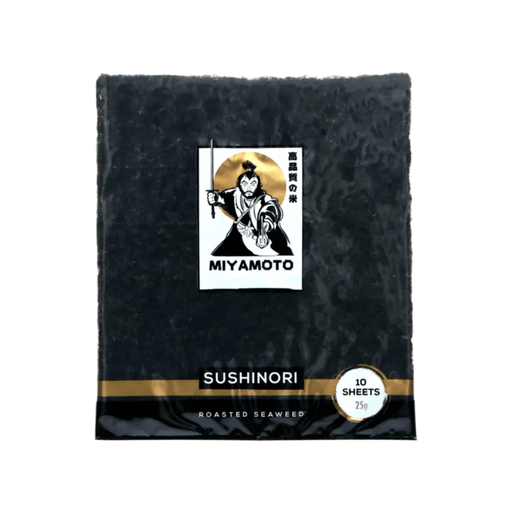
Why it suits this profile: A manageable pack of 10 sheets is suitable for anyone making sushi, hand rolls or rice balls for the first time and who does not need a large supply.
The size and number of sheets are clearly specified. The sheets are not described as heavily seasoned snacks, making them versatile.
10 roasted nori sheets; suitable for sushi, onigiri and eating straight from the pack; listed as vegan according to the product information.
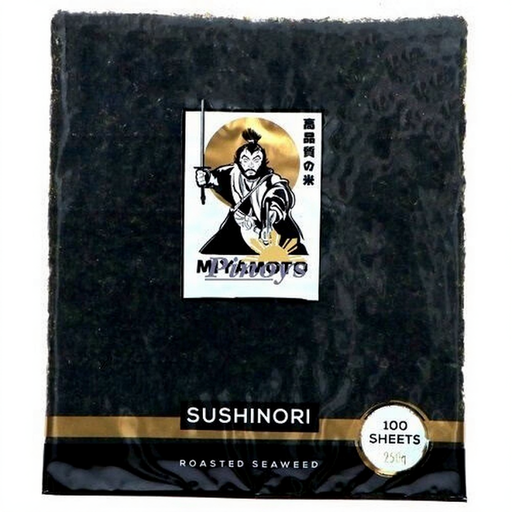
Why it suits this profile: The large supply is ideal for home cooks, families and fans of Japanese food who regularly use nori.
This pack contains 100 large sheets measuring 19 x 21 cm. You are therefore buying a format that is useful for more than just snacking.
100 sheets; roasted; suitable for sushi, kimbap, wraps and creative dishes; ingredients listed as 100% roasted seaweed.
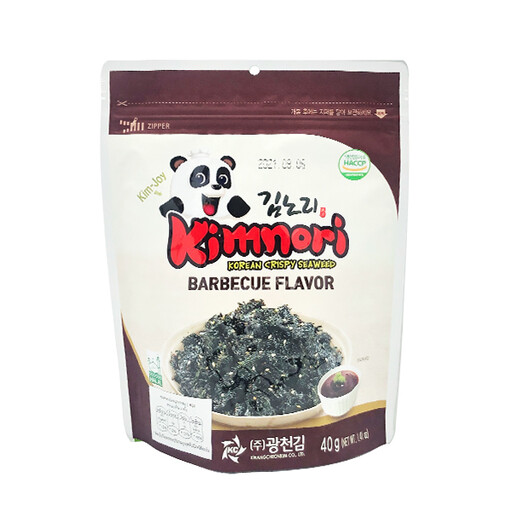
Why it suits this profile: This Korean flaked seaweed mix is designed as a snack to eat straight away or as a topping for rice, noodles, salads and soup.
The product description clearly states that it is seasoned with BBQ flavouring, oil, sesame and salt. You therefore know in advance that this is not neutral sushi nori.
40 grams; BBQ flavour; crisp texture; versatile as a topping or eaten straight from the pack. Contains sesame.
We have compiled a complete, up-to-date list of products that fully meet these strict selection criteria and the applicable European safety regulations.
Many pure roasted nori products contain only seaweed. However, seasoned varieties may contain oil, sesame, sugar, flavour enhancers or other ingredients. Always check the ingredients list and any allergen information. A product description may state that a variety is suitable for vegans, but the label on the packaging remains the definitive source.
Store seaweed somewhere dry and cool, away from direct sunlight. Seal an opened bag carefully or use an airtight container. Individually wrapped portions generally retain their crisp texture more easily, as the entire supply is not repeatedly exposed to air and moisture.
Seaweed crisps are usually intended to be eaten straight away and may contain extra oil and seasoning. Nori sheets are larger and often unseasoned, making them suitable for sushi, onigiri and rice dishes. A Korean seaweed snack is often thinly roasted and seasoned with oil, salt, sesame or a flavour mix. Choose according to how you plan to use it: cooking, garnishing or snacking.
