
Vandaag of morgen in huis

Kwaliteit gegarandeerd

Welkomstaanbiedingen ontgrendelen: GRATIS bezorging | Tot 80% korting | Gratis 30 dagen JoyPlus-proefperiode
Download de app
Seaweed snacks, also known as seaweed crisps, have become a staple in the snack aisle. These crispy, salty sheets, a cornerstone of Korean cuisine, are quickly gaining popularity as an alternative to traditional crisps. But with a growing selection, choosing the right one can be tricky. Not all seaweed snacks are created equal. Before you make a purchase, it's wise to be aware of a few common pitfalls.
By paying attention to these points, you can ensure you choose a product that truly suits your taste and avoid a disappointing purchase.
To find the right seaweed snack, it helps to understand a few key specifications. These determine the flavour, texture, and suitability for your needs.
Most snacks are made from roasted seaweed, known as gim or kim in Korea. This seaweed is pressed thin, dried, and then roasted, which gives it its signature crispy texture. This is different from the thicker, unroasted nori sheets used for sushi. The snacks are ready to eat. The base is often simple: seaweed, oil, and salt. However, popular brands like Bibigo also offer varieties with flavours like wasabi, bulgogi, or BBQ.
The ingredients list is your most important tool. Pay special attention to two things:
Seaweed snacks are sold in individual portions (often around 5 grams) or in multipacks of 3, 6, or even 12. Individual packs are convenient for on-the-go, but if you eat seaweed snacks regularly, a multipack is usually more cost-effective. Always check the total net weight to compare prices fairly.
To help you with your choice, we've matched some popular options to different preferences.
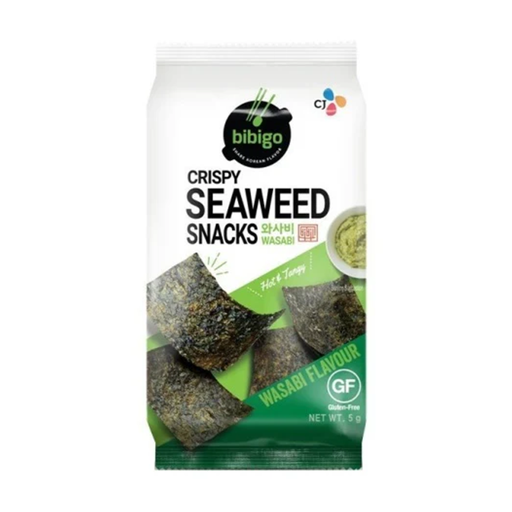
Why This Fits Their Persona: Ideal for those who love trying new, bold flavours. The spicy wasabi kick offers an exciting change from standard salty snacks. Perfect for discovering if a daring flavour is for you.
This product is clear about its flavour profile. You don't get a vague "spice mix," but a specific wasabi flavour, so you know exactly what to expect.
Powerful wasabi flavour for a spicy experience. Convenient 5g pack for a quick snack. Gluten-free and halal certified.
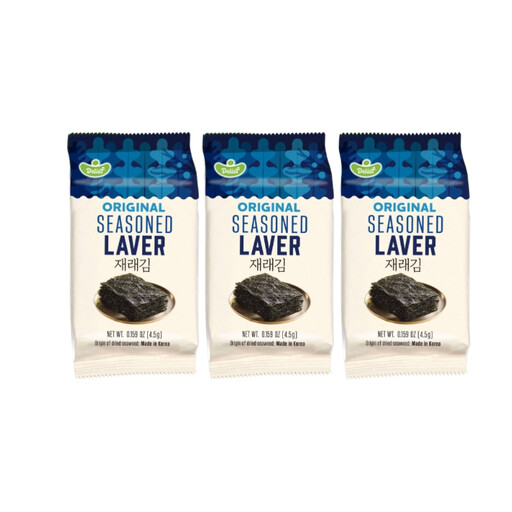
Why This Fits Their Persona: Suitable for consumers who pay close attention to ingredients and have specific dietary needs. The HALAL certification and the short, clear ingredients list make this a reliable choice.
This product bypasses the "healthy snack" trap by being transparent. The ingredients are simple (seaweed, canola oil, salt), and the HALAL certification provides extra assurance.
HALAL certified. Contains none of the 14 major EU allergens. Simple and pure flavour.
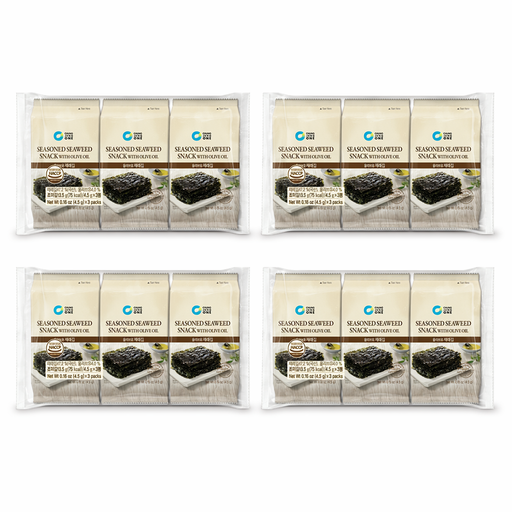
Why This Fits Their Persona: For those who have found their favourite snack and like to keep a stock at home. This value pack is ideal for daily use, in lunchboxes, or as a topping on meals.
This product tackles the "price-per-gram" pitfall head-on. By buying a multipack of 12, you get a significantly better price per serving than when purchasing single packs.
Value pack of 12 for a lower price per gram. Seasoned with a blend of olive and sesame oil for a rich flavour.
We've compiled a complete, up-to-date list of products that fully meet these strict selection criteria.
A seaweed snack can be a mindful choice. Seaweed itself is a source of nutrients, and the snacks are often lower in calories than traditional crisps. However, it's important to check the nutritional information. Pay attention to the salt and fat content, as this can vary greatly between brands and flavours. A snack with a short ingredients list is typically a purer choice.
Seaweed absorbs moisture, which can cause the snacks to lose their crispiness. Always store an opened package in an airtight container or bag in a cool, dry place, away from direct sunlight. This will keep them crunchy for the longest time.
Although both are made from seaweed, there are clear differences. Seaweed snacks (kim) are thin, roasted, seasoned, and cut to size for immediate consumption. Nori sheets are typically larger, thicker, and often unroasted and unsalted. They are specifically designed to be sturdy enough for rolling sushi and maki. You can roast and cut nori sheets into a snack yourself, but ready-to-eat seaweed snacks are more convenient for this purpose.
