
Vandaag of morgen in huis

Kwaliteit gegarandeerd

Welkomstaanbiedingen ontgrendelen: GRATIS bezorging | Tot 80% korting | Gratis 30 dagen JoyPlus-proefperiode
Download de app
A seaweed snack might seem simple: a thin sheet of roasted seaweed, some oil and a flavouring. Yet products vary greatly in size, seasoning, texture and use. A small pack can contain several portions, for example, while a larger bag may hold surprisingly little. Likewise, "crispy" doesn't automatically mean the snack stays crunchy for long after opening.
For fans of Korean, Japanese and Thai snacks, there are plenty of varieties too: from a lightly salted roasted seaweed to a spicy seaweed snack, teriyaki nori or sweet-savoury seaweed with durian flavour. With these practical checkpoints, you can compare products without relying solely on flashy marketing claims.
Seaweed is light. A bag can therefore look spacious, while containing only a few grams. Always check the net weight and the number of individual sachets or rolls. A multipack with 9 portions may be more convenient for on-the-go snacking, but it isn't automatically better value per 100 grams.
Also pay attention to the difference between total weight and portion size. With individual packs of 3 or 4 grams, the number of sachets may seem appealing, but the total amount remains limited.
A crispy seaweed snack easily absorbs moisture from the air. After opening, the texture can quickly become softer. A resealable pack or individual portions helps to reduce waste. Store the product according to the packaging in a cool, dry place, away from direct sunlight and moisture.
Ideally, open a portion only when you plan to eat it straight away. If you want to use seaweed as a topping for rice, noodles or salad, add it just before serving. This way it stays crunchier for longer.
A seasoned seaweed with chilli, barbecue, wasabi or teriyaki often contains extra oil, sugar, flavourings and salt. So check the ingredients list and nutritional information per 100 grams. Also look out for allergens such as sesame, soya and wheat. The information can vary by flavour variant, even within the same brand.
Seaweed naturally contains iodine. Some product labels therefore advise moderate consumption. Always follow the warning on the actual packaging and don't base your choice on general health claims.
For a snack, you'll often come across laver, nori, kombu or kelp. Nori usually consists of thin sheets and is suitable as a snack, topping or for wrapping rice. Kombu and kelp have a firmer, more stringy texture and are also offered marinated or stewed.
Also check whether the product is roasted, fried or otherwise processed. "Non-fried" or a similar description tells you something about the preparation method, but not automatically about the total fat or salt content. For that, the nutritional table remains the reliable source.
If you're looking for a mild Korean seaweed snack, look for sea salt, sesame oil or olive oil. For more kick, chilli, wasabi or pepper are logical flavourings. Barbecue, bulgogi, jajangmyeon and teriyaki give a fuller, sweet-savoury profile.
Check whether sesame seeds, chilli, soya or wheat appear in the ingredients list. If you have an allergy, the actual packaging is the deciding factor; product information online can change.
Small sachets are handy for lunch, travel or a snack without leftovers. Larger packs are more interesting when you also use the product as an ingredient. For sushi, kimbap and rice rolls, you need unroasted or roasted sheets of a suitable size, not necessarily a seasoned snack.
A product like seaweed for sushi is generally more neutral in flavour than a snack with wasabi or chilli. For salads, soup and noodles, crumbled, seasoned seaweed can work well.
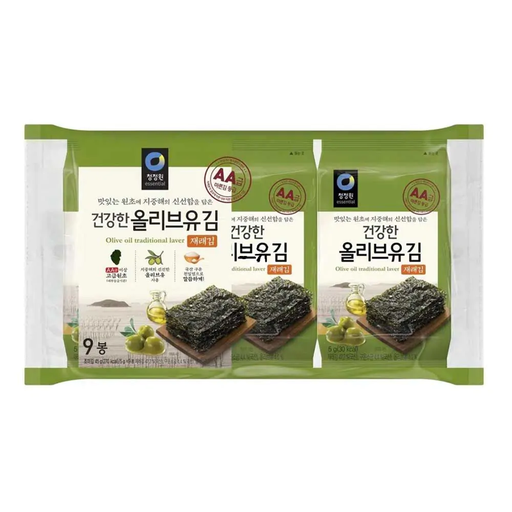
Why this fits the profile: The pack contains 9 sachets and a total of 45 grams. This makes it easy to divide portions and plan different snacking moments.
The net weight and number of sachets are clearly stated. This means you can compare the quantity more easily than with a loose, bulky bag.
9 individual packs; seasoned with corn, olive and sesame oil. Contains sesame.
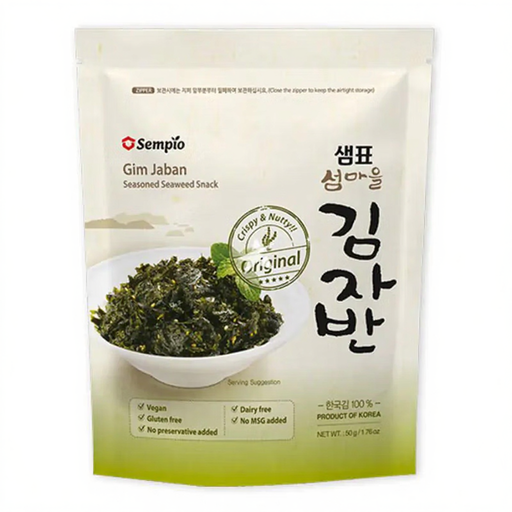
Why this fits the profile: This Korean variant combines crispy laver with oil, sugar and roasted sesame for those seeking a classic, savoury profile.
The ingredients and nutritional values are specified, so you can factor oil, sugar and salt into your comparison.
50 gram contents; crispy seasoned laver; contains sesame as a stated allergen.
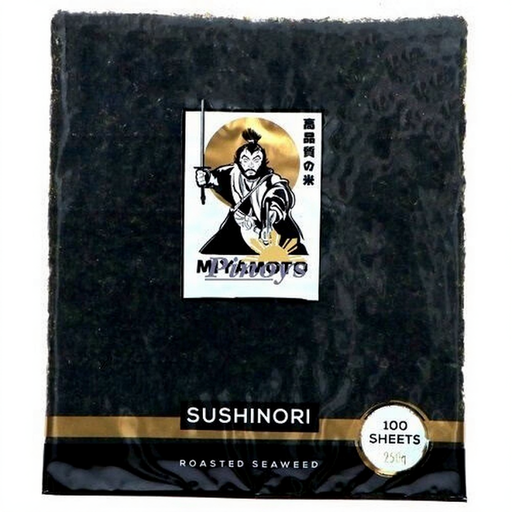
Why this fits the profile: With 100 sheets measuring approximately 19 x 21 cm, this is aimed at sushi, kimbap, wraps and regular kitchen use.
The size and number of sheets are clearly stated. This means you're buying a product for preparation, not accidentally a small snack pack.
100 roasted sheets; size 19 x 21 cm; suitable for sushi and rice rolls.
We've put together a full, up-to-date list of products that fully meet these strict selection criteria and comply with current European safety regulations.
No. A snack is often roasted and seasoned with oil, salt or other flavourings. Seaweed for sushi is usually a larger, more neutral sheet intended for wrapping rice and fillings. Check the size, ingredients and intended use before you order.
That depends on the packaging and how much moisture the product absorbs. Individual portions generally maintain the texture more practically than one large opened bag. Seal an opened pack well and ideally eat the contents soon after opening.
Check the ingredients for chilli, pepper, wasabi and flavour enhancers. Also check the salt content and any allergens such as sesame, soya and wheat. If in doubt about iodine or a warning on the packaging, follow the manufacturer's instructions.
