
Vandaag of morgen in huis

Kwaliteit gegarandeerd

Welkomstaanbiedingen ontgrendelen: GRATIS bezorging | Tot 80% korting | Gratis 30 dagen JoyPlus-proefperiode
Download de app
At first glance, a seaweed snack seems simple: thin sheets, a little oil and a flavouring. Yet products vary widely in size, ingredients, seasoning and use. A small pack can disappear quickly, a spicy variety can taste stronger than expected, and sushi nori isn’t always the same as ready-to-eat snack nori.
With these practical pointers, you can avoid a bad buy and choose more deliberately between a crispy seaweed snack, roasted seaweed, a Korean seaweed snack or a Thai variety.
Seaweed is light. A 50g or 59g pack can look generous, while the contents are just thin sheets. Always check the net weight, the number of bags and the portion size. Individual portions, for example 3 × 4g, are handy for on the go, but give you less total content than a 50g bag.
A seaweed snack often contains oil, salt, sugar, sesame oil or flavour enhancers. Compare the ingredients list and nutritional values per 100g. With seasoned seaweed in particular, salt and fat can be noticeably higher than with plain nori. A product may also be vegan, yet still contain sesame.
Roasted seaweed absorbs moisture quickly. An opened pack can therefore turn soft, especially in a humid kitchen. Store the snack in a cool, dry place, seal the pack tightly and eat opened portions promptly. Also check that the packaging isn’t damaged before you use the product.
For eating straight away, thin, seasoned sheets or rolls are practical. For cooking, nori sheets or dried seaweed sheets are more versatile. You can use them for sushi, rice balls, wraps, noodles or as a topping.
Choose based on your preferred flavour profile:
With wasabi, chilli and tom yum, watch out for allergens. According to the product information, Tom Yum Crispy Seaweed contains prawn powder, for example, and is therefore not suitable for people with a shellfish allergy.
Always check the actual packaging. Product information online can change, and the manufacturer may adjust a recipe. Pay particular attention to:
A “vegan snack” is only suitable for your diet when the ingredients and allergen information support that. So read the label, even if a product is marketed as vegan or free from certain allergens.

Why this fits the profile: A plain entry-level option with 32g of content and a crispy texture. Handy for trying roasted seaweed first without buying a large pack.
The net weight is clearly stated. The ingredients include 85% seaweed, palm oil, salt and white pepper.
32g; product information states a vegan-friendly composition and none of the 14 main EU allergens.
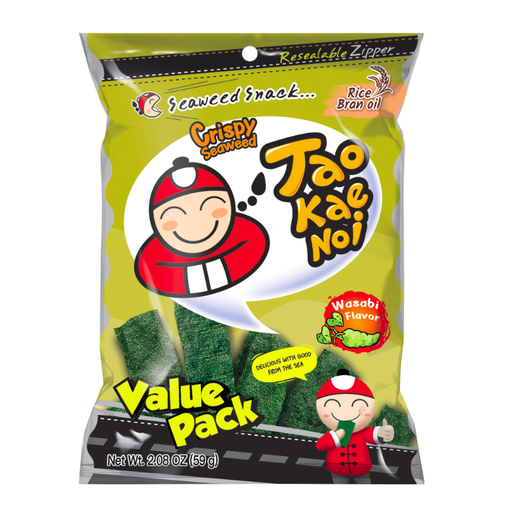
Why this fits the profile: For those after a distinctive flavour and a larger pack. According to the product description, the thin, roasted sheets are seasoned with wasabi sauce.
The flavour direction is clearly stated as wasabi. This makes the choice more targeted than with a pack that only has a general flavour claim.
59g content; roasted sheets with a savoury umami flavour and wasabi seasoning according to the product information.
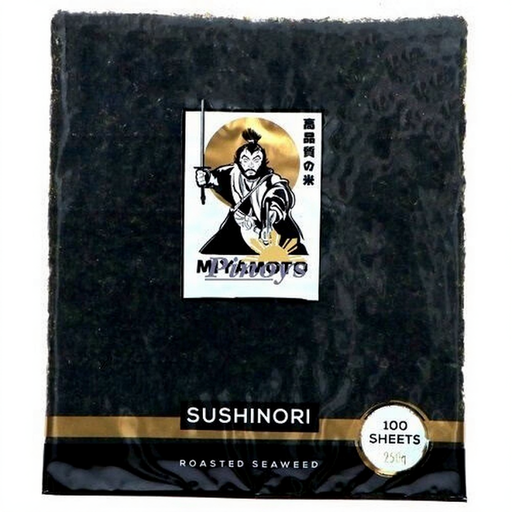
Why this fits the profile: Aimed at home cooks, families, parties and food service. The 19 × 21cm sheets are intended for sushi, kimbap, wraps and creative dishes.
The number of sheets and the size are clearly stated. You therefore pay for a usable supply rather than a large-looking pack.
100 roasted sheets; 19 × 21cm per sheet; suitable for sushi and other dishes.

Why this fits the profile: According to the product description, this Korean snack has a hot chilli flavour with chilli powder and roasted sesame seeds.
The seasoning and allergens can be checked in advance: according to the listing, the product contains soya and sesame. This prevents an unexpected flavour or allergen choice.
50g content; spicy seasoning with chilli and sesame; non-fried processing according to the product description.
We have put together a full, up-to-date list of products that fully meet these strict selection criteria and comply with current European safety regulations.
That depends on the ingredients. Plain nori often consists of seaweed and salt, but seasoned varieties may contain fish, prawns, soya, sesame or other ingredients. So check the allergen information and any vegan label on the packaging.
Store it unopened in a cool, dry place away from direct sunlight. Seal an opened pack airtight. Moisture reduces the crispy texture. Use loose sheets or rolls soon after opening.
Nori for sushi usually consists of larger, roasted sheets that you wrap around rice or filling. A ready-to-eat seaweed snack is often more finely cut, individually packed and seasoned with oil, salt, sesame, wasabi, chilli or another flavouring. Dried seaweed or wakame, on the other hand, is intended for use in dishes, usually after soaking or cooking.
