
Vandaag of morgen in huis

Kwaliteit gegarandeerd

Welkomstaanbiedingen ontgrendelen: GRATIS bezorging | Tot 80% korting | Gratis 30 dagen JoyPlus-proefperiode
Download de app
Choosing a seaweed snack might seem straightforward: grab a bag of roasted seaweed and you're done. Yet the products differ greatly in flavour, size, ingredients and use. A small packet might be intended for eating straight away, while a large pack of nori sheets is better suited to sushi or meal preparation.
So look beyond just the packaging. Marketing terms like "extra crispy", "authentic" or "light" don't always tell you enough about what you're actually getting. Below, you'll find out which features matter and which popular choices suit different needs.
A pack of 50 or 100 sheets might look appealing, but it's mainly suitable if you regularly make sushi, kimbap or rice rolls. For occasional snacking, smaller portions can be more practical. So check the number of sheets, total weight and portion size before comparing the price.
A plain product often contains only seaweed, whereas a Korean seaweed snack usually includes oil, salt, sesame oil or seasonings. A spicy seaweed snack may also contain chilli, pepper or other flavourings. If you're after a mild umami taste, you're better off choosing a plain or lightly salted product.
Nori quickly absorbs moisture from the air. This makes crispy nori go limp, especially if the packaging isn't sealed properly. For snacks, choose individually wrapped portions or eat an opened packet soon after opening. Store the product in a cool, dry place away from direct sunlight, as stated on the packaging.
For sushi, nori sheets around 19 × 21 cm are practical. They offer enough surface area for maki, hand rolls and rice balls. Small seasoned sheets of 3 to 5 grams, on the other hand, are intended as a snack or topping for rice, noodles, soup and salad.
Also pay attention to the description. "Sushi nori" or seaweed for sushi usually refers to unseasoned or lightly salted sheets. "Seasoned seaweed" is generally ready to eat and already contains oil and flavourings.
Always read the current packaging. Product information can vary by batch or market. Possible ingredients include:
Some products don't list any of the 14 main EU allergens, while others contain sesame or soya. If you have an allergy, the packaging is your guide. Also check for possible cross-contamination if stated on the label.
An individual portion is handy for lunch, on the go or for keeping crispness in your store cupboard. A multipack with sachets of 4 or 5 grams also prevents a large pack from being opened repeatedly.
As well as flavour, compare the nutritional information per 100 grams. That figure can seem high because seaweed snacks often contain oil and seasonings; so also look at the actual weight per portion. A product with wasabi, chilli, bulgogi, teriyaki or durian has a more distinct flavour profile than plain roasted seaweed.
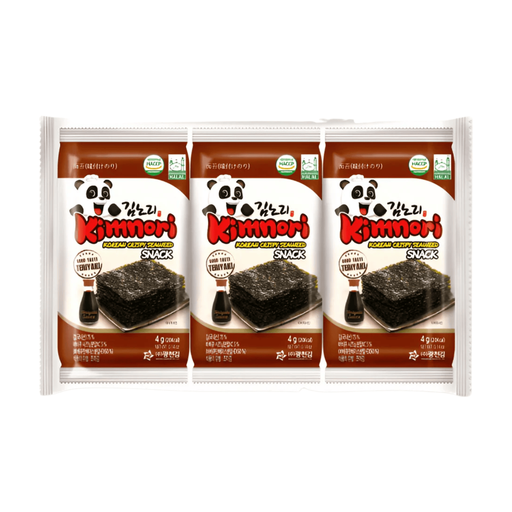
Why this suits the profile: Three separate sachets of 4 grams offer a straightforward introduction to a seasoned Korean seaweed snack. The teriyaki flavour suits anyone looking for a sweet-savoury profile.
The portions are clearly divided, so you don't have to store a large opened pack. Do check the label for soya and sesame among other things.
12 grams total, divided into 3 sachets; suitable for eating straight away or as a topping for rice and noodles.
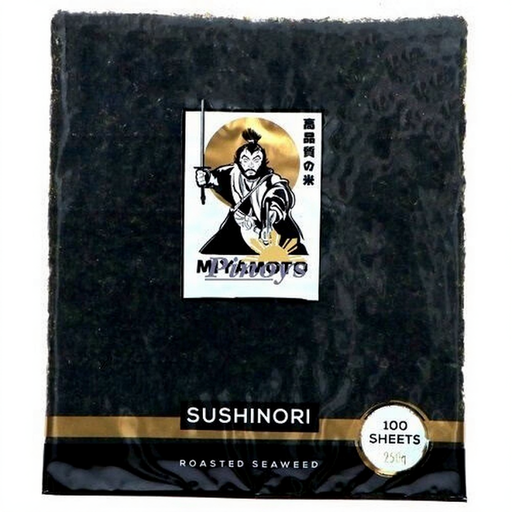
Why this suits the profile: This pack is aimed at home cooks who regularly make sushi, kimbap, wraps or rice dishes and want a large supply of nori sheets.
The size and number of sheets are clearly stated. Only buy this pack if you'll use the volume within the shelf life and storage capabilities.
100 sheets of 19 × 21 cm; according to the product information, it consists of roasted seaweed with no added seasonings.
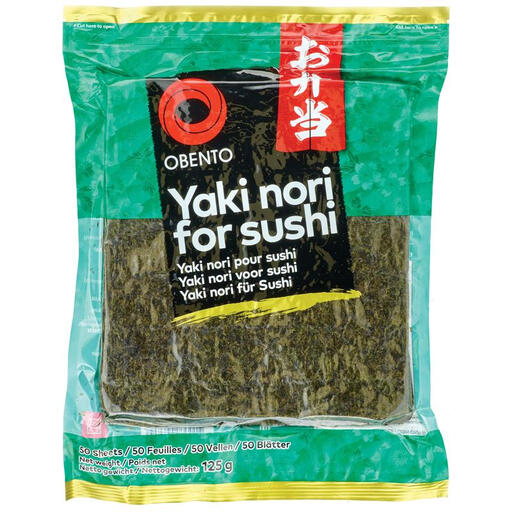
Why this suits the profile: The pack of 50 sheets weighing 125 grams is practical for families, regular sushi-making or larger dinner parties.
It's not a small snack packet that's quickly finished, but a clearly described bulk pack. Store the sheets well sealed and dry.
50 roasted sheets with a total weight of 125 grams; suitable for sushi, snacks and other dishes.

Why this suits the profile: The combination of chilli, spices and roasted sesame suits snackers looking for a spicy seaweed snack in a larger format.
The flavour direction is clearly stated in the product name. Check for the presence of soya and sesame in advance if you have allergies.
50 grams per pack; chilli, roasted sesame and various seasonings create a distinctive profile.
We've put together a full, up-to-date list of products that fully meet these strict selection criteria and current European safety regulations.
Store unopened packs according to the label: cool, dry and away from heat and direct sunlight. Seal an opened pack as tightly as possible. With small packets, eating them straight away is usually most practical; with large packs, you can divide the sheets between airtight storage containers.
Eat a snack variety straight from the pack, or crumble the sheets over rice, ramen, salad or soup. For sushi, unseasoned nori sheets are more convenient, because teriyaki, chilli or oil can affect the flavour of the filling.
Not every seaweed snack is intended for that purpose. Choose sushi nori or roasted sheets without strong seasonings. Check the size, because whole sheets of around 19 × 21 cm are easier to roll than small snack sheets.
That depends on the packaging, storage and humidity. Unopened products remain usable until the date on the label. After opening, the texture can change more quickly. Seal the pack immediately and eat small portions preferably soon after opening.
Compare flavour, portion size, total weight, size, ingredients and allergens. Choose individual sachets for on the go, large nori sheets for sushi and a seasoned variety when you want a distinct Asian flavour profile. Always consult the current packaging for the full product information.
