
Vandaag of morgen in huis

Kwaliteit gegarandeerd

Welkomstaanbiedingen ontgrendelen: GRATIS bezorging | Tot 80% korting | Gratis 30 dagen JoyPlus-proefperiode
Download de app
A seaweed snack might seem simple at first glance: thin sheets, a little oil and some seasoning. Yet products vary greatly in size, ingredients, flavouring and intended use. If you only go by the packaging or a striking flavour, you could end up with limp sheets, an overly salty snack, or a pack that doesn’t suit what you had in mind.
With this practical buying guide, you can compare roasted seaweed, Korean snacks and Japanese nori on the points that really matter in a British kitchen.
Small, seasoned portions are designed for eating straight away. They’re usually less suitable for rolling sushi. For maki, hand rolls or onigiri, you generally need large, whole seaweed sheets. So check whether a pack contains, for example, 10 or 100 sheets, and look at the sheet size.
A crispy seaweed snack weighs very little, but it can still contain oil, salt, sesame oil or flavour enhancers. So look at the nutritional values per 100 g rather than just the small portion size. Flavoured Korean seaweed snacks in particular can vary significantly in fat and salt content.
Nori absorbs moisture quickly. Once opened, the crispy texture can disappear. A resealable bag or individual portions are practical if you don’t eat everything in one go. Always check the packaging for the ingredients list, allergens and storage instructions.
For snacking on the go, small packs of a few grams are handy. They fit in a lunchbox and limit the time an opened pack is exposed to air. For sushi or regular cooking, a larger pack can be better value. The Miyamoto pack with 100 sheets of 19 × 21 cm, for example, is aimed at larger households, parties or frequent use.
When comparing products, look at:
Japanese nori for sushi is often roasted seaweed without oil or extra seasonings. That gives you more control when cooking. A Korean seaweed snack is usually seasoned with oil and salt, making it ready to eat straight away.
Examples of flavour directions include:
Always check whether a flavouring, soya powder or sesame has been added. This is especially important if you have allergies or are looking for a neutral topping.
A product with 100% roasted seaweed has a short ingredients list. With flavoured varieties, oil, salt, sugar, sesame, soya and flavour enhancers may be added. The information on the product page is useful for an initial comparison, but the packaging remains the definitive source. Product compositions and warnings can change.
Pay particular attention to:
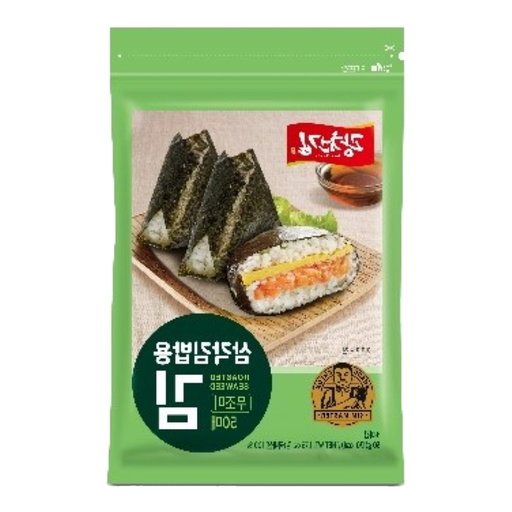
Why this fits the profile: The ingredients list states 100% seaweed. That makes this pack straightforward for anyone trying nori for the first time or looking for a neutral base for rice balls.
No seasonings or oils are listed. So you’re not buying a heavily flavoured snack when you mainly want nori for rice dishes.
50 g per pack; 100% seaweed according to the product information; suitable as a base for onigiri and rice dishes.
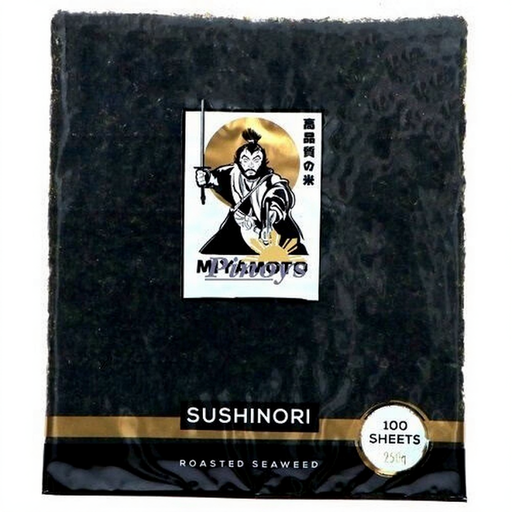
Why this fits the profile: Home cooks who regularly make sushi, kimbap or wraps will benefit more from whole sheets than from small snack portions.
The size of 19 × 21 cm and the quantity of 100 sheets make it clear that this is not a single snack bag.
100 sheets; 19 × 21 cm per sheet; roasted seaweed with no added oil or seasonings listed.
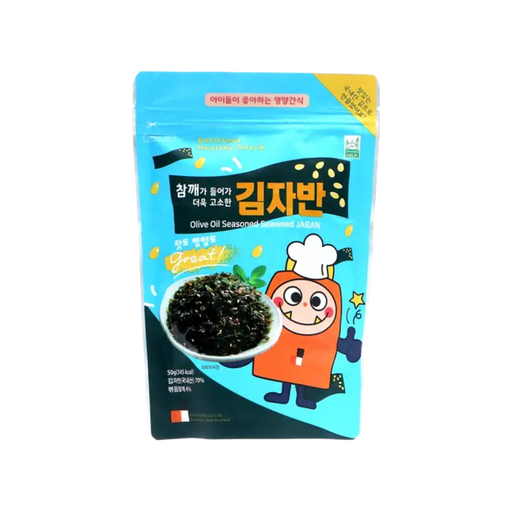
Why this fits the profile: Shredded seaweed is ready to use as a topping on rice, noodles, salads or sushi. That saves you cutting time and suits regular cooking.
The product information explicitly states that the seaweed is shredded and ready to use. So you don’t need to break or cut whole sheets.
50 g; shredded format; olive oil and GimJaban seasoning according to the ingredients list; resealable packaging according to the product description.
We’ve put together a full, up-to-date list of products that fully meet these strict selection criteria and comply with current European safety regulations.
Store an opened pack in a cool, dry place, away from direct sunlight and steam. Seal a bag tightly. For loose sheets, an airtight container can help. Products with individual portions are handy if you only eat a Korean seaweed snack now and then.
Use plain nori seaweed for sushi, rice balls and wraps. Choose flavoured seaweed for direct snacking or as a quick topping. A wasabi variety, such as Taokaenoi Crispy Seaweed Wasabi, suits fans of a spicy kick; check the ingredients and portion size first if possible.
Not every snack variety. Choose sushi nori or Japanese nori with whole sheets and check the size. Flavoured or shredded varieties are mainly suitable as a topping or for eating on their own.
That depends on the packaging and storage. Unopened, follow the date on the pack. Once opened, moisture can quickly change the texture. So seal the product immediately and, if possible, consume small portions soon after opening.
Always read the label. Sesame and soya are common in flavoured seaweed. Some packs also mention possible traces of fish or shellfish. If you have an allergy, don’t rely solely on product photos or a general description online.
